
Vandaag of morgen in huis

Kwaliteit gegarandeerd

Welkomstaanbiedingen ontgrendelen: GRATIS bezorging | Tot 80% korting | Gratis 30 dagen JoyPlus-proefperiode
Download de app
A waterproof outdoor jacket needs to do more than keep out a brief shower in the Netherlands. Walkers have to contend with prolonged rain, strong winds and wide temperature swings. A cycle to work calls for different features from a mountain trek or a night at the campsite.
Marketing claims don’t always make choosing one easier. Keep an eye out for these common pitfalls:
Hydrostatic head is usually measured in millimetres, for example 10,000 or 20,000 mm. This is a laboratory measurement showing how much water pressure the material can withstand under a particular test. A higher rating can be useful in prolonged rain, wet snow or when carrying a rucksack, but it doesn’t tell you on its own how the whole jacket will perform.
So, check these features too:
A hardshell jacket usually has a protective outer layer without thick insulation. This makes it a good waterproof layer to wear over a fleece or lightweight down jacket when walking.
A breathable outdoor jacket moves moisture from the inside to the outside. Product pages sometimes use the MVTR rating, measured in grams per square metre per 24 hours. Test methods vary between manufacturers, so only compare figures if they use the same standard.
Underarm ventilation zips are useful for climbing, brisk walking and cycling. A mesh lining, adjustable hem and relaxed fit can also make a jacket more comfortable. However, no jacket can wick away all your sweat if you’re exercising intensely in warm, humid conditions.
Don’t just measure your chest; check the jacket measurements provided too. When trying it on, reach your arms forwards, lift them above your head and check that your back and sleeves still provide enough coverage.
Room for layers is important in a trekking jacket or a windproof jacket for autumn and winter. Think about:
If you mainly cycle around town, you may prefer a shorter, closer-fitting jacket. For camping, hiking and mountain walks, a longer back, adjustable hood and pockets that sit above your rucksack’s hip belt are often more practical.
The selection below is based on manufacturers’ product descriptions, stated measurements and technical specifications. Claims about waterproofing, breathability, warmth or abrasion resistance are therefore brand claims, not independent findings.
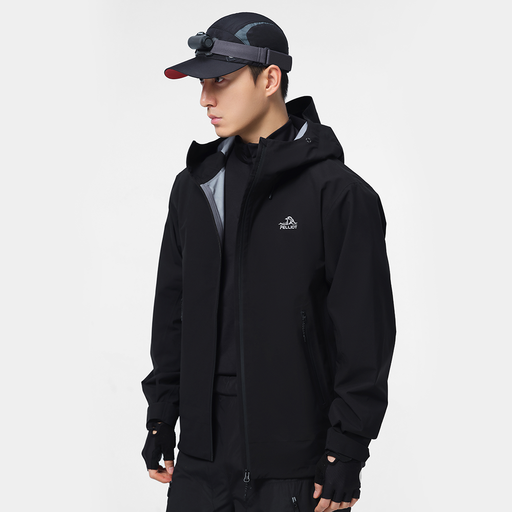
Why it suits this profile: This unisex hardshell is designed for everyday wear, walking and trekking. The black colour is easy to pair with other gear, and sizes range from XS to XXL.
According to the product description, the jacket combines a waterproof outer layer with a mesh or technical lining. If you want to wear a thick mid-layer, be sure to check the sizing before you buy.
A unisex fit, a stated chest measurement of 116 cm in size M, and an outer material made from a nylon or polyester blend with a laminate, according to the product information.
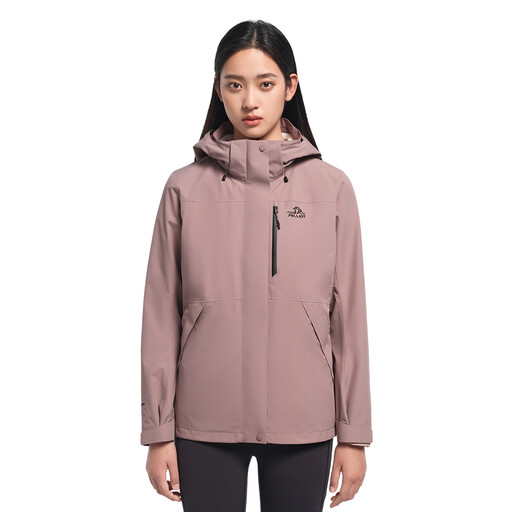
Why it suits this profile: This women’s outdoor jacket is a 3-in-1 design with an outer layer and fleece lining. It’s a good fit for campers and travellers who want one system to use across several seasons.
The separate shell and lining mean you don’t always have to wear a heavy, warm jacket. According to PELLIOT’s own information, the shell has a hydrostatic head of 35.900 mm H₂O according to JIS.
The manufacturer states a breathability rating of 16.000 g/m²/24 hours and abrasion resistance of more than 40.000 rub cycles. The jacket has an adjustable hood, hem and cuffs.
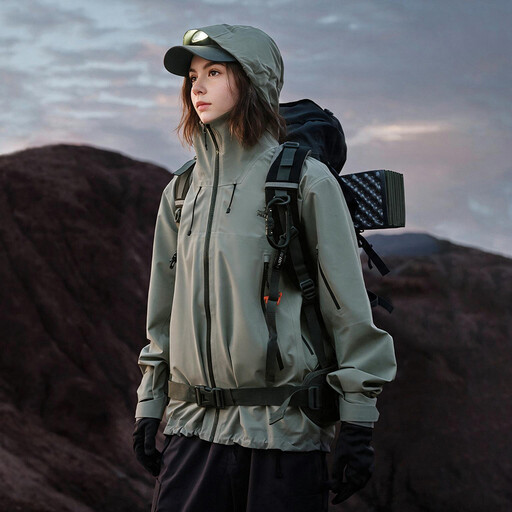
Why it suits this profile: According to the product description, this unisex outdoor jacket is designed for rugged terrain, demanding activities and changeable weather. Its green colour and technical features make it a good choice for trekking and outdoor trips.
According to PELLIOT, the longer underarm ventilation zips are designed to improve airflow. This offers a practical solution when you’re exercising, although it’s still important to adapt your layers to the weather.
The stated features include a more flexible shell material, mesh lining, a zipped sleeve pocket and a RECCO reflector, according to the product information.
We’ve put together a complete, up-to-date list of products that meet these strict selection criteria and current European safety regulations.
A waterproof walking jacket will only stay functional if you look after it properly. Always follow the care label for your specific model. Many technical jackets should be washed on a cold, delicate cycle without fabric softener. Fasten the zips and hook-and-loop fastenings before washing, and leave the jacket to air-dry if the product information recommends it.
Don’t use standard fabric softener: it can affect the performance of technical materials. Don’t leave a wet jacket hanging on a hot radiator for a long time, and check after washing whether water still beads on the outer fabric. If the fabric starts soaking through quickly, check the care instructions to see whether you can apply a suitable waterproofing treatment.
A lower hydrostatic head rating may be enough for everyday wear and short walks. For long walks, heavy rain and carrying a rucksack, a higher stated rating, sealed seams and a well-fitting hood are more important. Always consider the overall construction rather than focusing on a single figure.
A hardshell jacket is usually a protective outer layer with little insulation. In winter, wear it with a fleece or another warm mid-layer. A 3-in-1 outdoor jacket already includes a mid-layer, which can make it more practical in changeable weather.
The price depends on the material, membrane, ventilation options, lining and finish. A basic waterproof walking jacket may be all you need for commuting, while a trekking jacket with higher technical specifications is designed for more demanding use. So, compare more than just the price: consider the fit, care requirements and features you actually need.
