
Vandaag of morgen in huis

Kwaliteit gegarandeerd

Welkomstaanbiedingen ontgrendelen: GRATIS bezorging | Tot 80% korting | Gratis 30 dagen JoyPlus-proefperiode
Download de app
A waterproof outdoor jacket needs to cope with more than a brief shower in the UK. The weather can change quickly while you’re out walking, and you may be exposed to rain and wind for long periods when cycling or camping. At the same time, you don’t want to end up in a heavy, clammy jacket as soon as you pick up the pace.
So choosing the right jacket isn’t just about colour or price. Pay particular attention to waterproofing, breathability, fit and durability. Read on to find out which features are worth checking and which styles suit different activities.
A product title may promise waterproofing without explaining how the fabric, seams and fastenings are constructed. Check whether technical details are available, such as a hydrostatic head rating or test method. A high rating indicates how well the material resists water pressure, but protection also depends on the zips, cuffs, hood and seams.
A lightweight hardshell jacket keeps out rain and wind, but it usually doesn’t provide insulation. If you buy just an outer layer for cold-weather walks, you may still need a fleece or thermal layer. A fleece-lined jacket or 3-in-1 outdoor jacket can be more practical if you want warmth and flexibility in changeable conditions.
A jacket that fits well over a T-shirt may feel too tight with a jumper underneath. Too much room can let in draughts and restrict your movement, though. Measure your chest, shoulders and sleeve length, then compare them with the product size chart. If you’re choosing a unisex outdoor jacket, pay particular attention to the cut and the room available for mid-layers.
For rainy UK weather, a well-fitting hood, adjustable cuffs and a covered zip are all useful features. Even a waterproof walking jacket can let moisture in if it doesn’t fasten securely around the neck or wrists.
Some PELLIOT models list a hydrostatic head rating of 35.900 mm H₂O according to JIS in their product descriptions. This is a stated technical specification for the product, not a general guarantee for every weather condition. Always check the latest product details and care instructions, too.
A breathable waterproof jacket helps release moisture from inside as you exercise. This is particularly useful for trekking, cycling and brisk walks. An MVTR rating, expressed in grams per square metre per 24 hours, indicates how much water vapour the fabric can let through according to the stated test method.
The PELLIOT 3-in-1 models list a breathability rating of 16.000 g/m²/24 hours according to JIS. The product description says the jacket is designed to wick away perspiration more quickly. Treat this as a product specification, and choose your clothing layers to suit the temperature and your level of activity.
A windproof jacket isn’t automatically warm. Warmth mainly comes from insulation and the layers you wear underneath. An outer layer that resists the wind can, however, help reduce draughts. For rocky paths, overhanging branches and demanding use, a durable jacket is a practical choice. The PELLIOT 3-in-1 product description states that the outer fabric withstands more than 40.000 abrasion cycles. This is a test result provided by the manufacturer.
Look out for ventilation options, too. Long zips under the arms can help when you’re active, as they let you increase airflow temporarily without unzipping the whole jacket. An adjustable hood, hem and cuffs make it easier to tailor the fit to the wind and your layers.
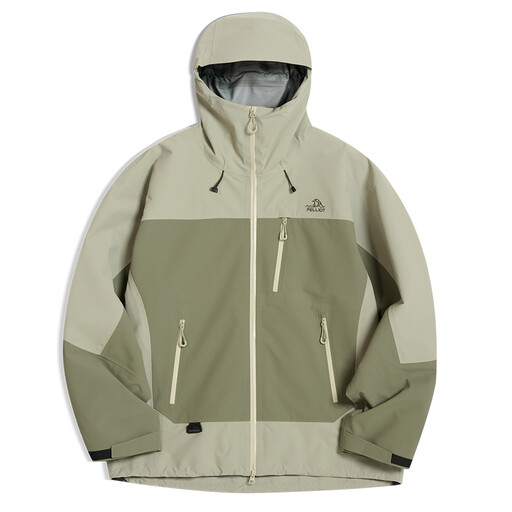
Why it suits this shopper: This unisex hardshell jacket is designed for everyday wear, travel, walking and camping. The available size M has a chest measurement of 121 cm, with room for a lightweight mid-layer.
The product description lists a waterproof, breathable, windproof and durable outer fabric. Be sure to check the latest size and product details before buying.
Hardshell construction, an adjustable fit according to the product information, and suitability for commuting as well as outdoor activities.
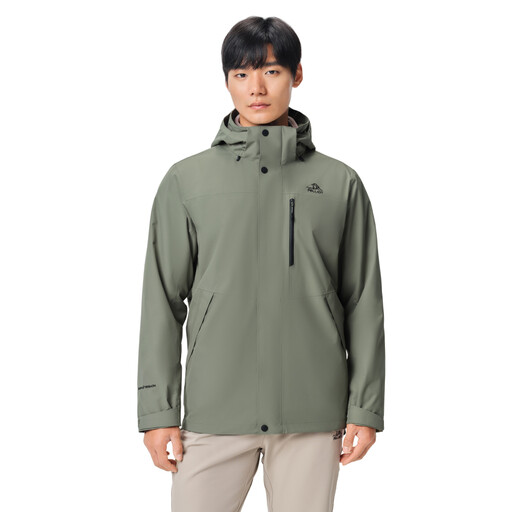
Why it suits this shopper: This model is designed for anyone looking for one system for cold-weather walks, camping trips and commuting. According to the product description, you can wear the outer layer and lining separately or together.
The 3-in-1 design means you don’t need a separate jacket for every season. The technical figures listed come from the product description and shouldn’t be mistaken for a universal guarantee.
According to the product information: 35.900 mm H₂O hydrostatic head, breathability of 16.000 g/m²/24 hours and more than 40.000 abrasion cycles.
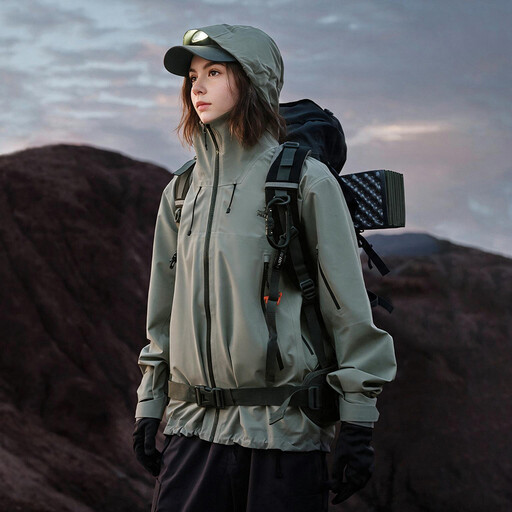
Why it suits this shopper: According to the product description, this model is aimed at trekking, rugged terrain, snowy areas and demanding activities. The underarm zips can provide extra ventilation when you’re working harder.
According to the product information, the jacket has longer ventilation zips, an adjustable fit and a durable outer fabric. This makes it more practical for strenuous outings than a jacket without ventilation options.
Lighter, stretchier material according to the product description, underarm ventilation, a sleeve pocket and a RECCO reflector.
We’ve put together a complete, up-to-date list of products that meet these strict selection criteria and the applicable European safety regulations.
A waterproof outdoor jacket will stay useful if you follow the care label. Several PELLIOT models are listed as machine washable on a cold, delicate cycle. Don’t use bleach, fasten the zips before washing and leave the jacket to air-dry if the product instructions recommend it. Fabric softener can affect the performance of technical fabrics, so always follow the specific care label.
Check the zips, cuffs and seams after use. Dirt can reduce water repellency and breathability. When trekking, don’t carry a heavy rucksack without checking that the shoulder and hip straps aren’t constantly rubbing against the same areas.
That depends on the lining and the layers you wear. A hardshell jacket mainly protects you from rain and wind. For cold conditions, choose a fleece-lined jacket or a 3-in-1 model, or wear a separate insulating layer underneath the shell.
Its lifespan depends on use, friction, washing and care. A durable fabric can help with demanding use, but no jacket stays waterproof indefinitely. Check the seams and zips regularly, and follow the washing instructions.
The price varies depending on the materials, construction, lining and extra features such as ventilation zips. Don’t compare prices alone: consider the hydrostatic head rating, breathability, fit and how well the jacket suits your needs. That way, you won’t pay for features you don’t need for commuting or leisurely walks.
