
Vandaag of morgen in huis

Kwaliteit gegarandeerd

Welkomstaanbiedingen ontgrendelen: GRATIS bezorging | Tot 80% korting | Gratis 30 dagen JoyPlus-proefperiode
Download de app
In the Netherlands, a waterproof outdoor jacket needs to do more than keep the rain out. During a cycle ride to work, a walk on the Veluwe or a camping weekend, rain, wind and temperatures can change quickly. Yet many jackets are difficult to compare. A marketing term such as “stormproof”, for example, does not automatically tell you how the seams, zips or ventilation have been designed.
The following three pitfalls are common:
Check whether the product information refers to a waterproof membrane, laminated layers or taped seams. The seams and zips are particularly vulnerable points. A hood with an adjustable brim, storm flap and well-fitting cuffs can help limit water getting in.
Pay attention to the difference between a men's waterproof jacket and a general rain jacket: the name itself tells you little without technical details. Look for information about the material, construction and intended use. A jacket for everyday commuting does not need the same level of abrasion resistance as a trekking jacket for rocky terrain.
A breathable rain jacket moves damp air from the inside to the outside. This is particularly relevant when walking, climbing and cycling. Underarm ventilation zips, a mesh lining and a microporous membrane can all help.
According to PELLIOT's product description, some models feature a breathable membrane and mesh or technical textile on the inside. Treat this as a product specification, not a guarantee of the same comfort in every situation. Intensity, humidity, clothing layers and temperature also have an impact.
A waterproof outdoor jacket is not always a winter jacket. An unlined hardshell is designed as a protective outer layer. On cold days, you can combine it with a fleece, for example. A 3-in-1 outdoor jacket offers greater flexibility because the outer layer and lining can be worn separately or together.
Always check:
A generous fit is practical for layering, but a jacket that is too loose may flap around when cycling or riding a motorbike. With protective motorcycle clothing, a close-fitting design is even more important.
The recommendations below are based on verifiable information from the supplied product descriptions, such as materials, layers, sizing and protective features.
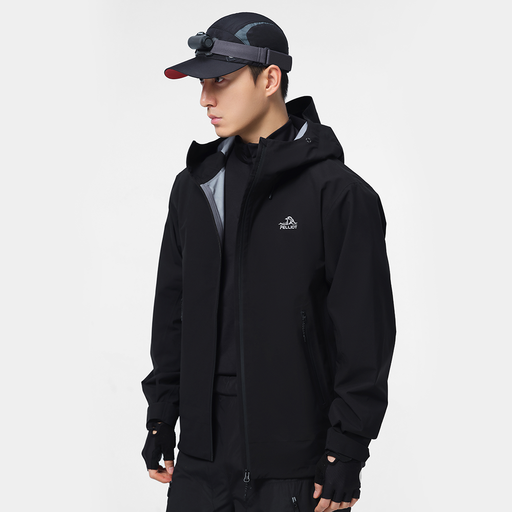
Why it suits this profile: This unisex hardshell is designed for everyday use, watersports and walking. According to the table, size S has a chest measurement of 112 cm and a jacket length of 72 cm.
The description mentions a waterproof laminated outer layer, wind-resistant construction and breathable mesh or technical textile. However, check that the fit leaves enough room for a mid-layer.
Nylon or polyester blend with waterproof lamination, hard-wearing material and a design that, according to the description, is suitable for both the city and the trail.

Why it suits this profile: According to the product information, the Triclimate construction combines an outer layer with a down inner jacket. This suits users looking for one system for changing conditions.
The two layers can be worn separately or together. This makes the jacket less dependent on one fixed level of insulation, although proper care of the layers is still important.
Taped outer seams, underarm zips, adjustable cuffs and 550 fill power down, according to the product description.
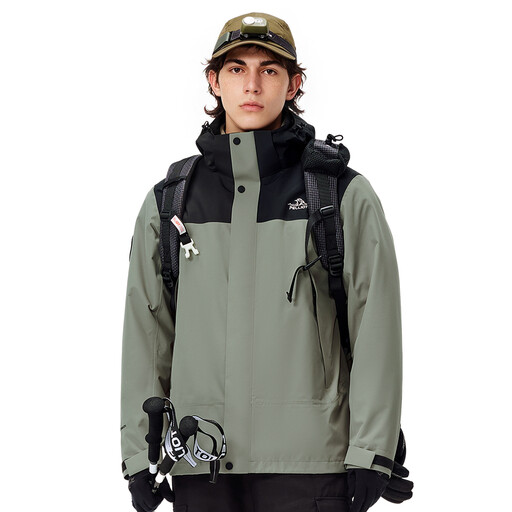
Why it suits this profile: This 3-in-1 outdoor jacket is designed for camping, trekking and commuting. According to the product description, the outer jacket and lining can be worn separately or together.
The combination of a microporous membrane, seam taping and a separate thermal lining allows you to adapt your clothing to the weather. Check the size based on chest measurement and the layers you plan to wear.
Shell and lining can be worn separately, hard-wearing outer material and size L with an outer chest measurement of 121 cm according to the size chart.
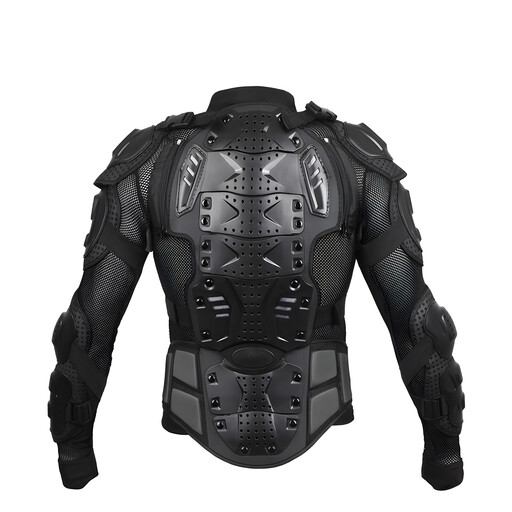
Why it suits this profile: This is a protective motorcycle jacket for off-road riding and other activities involving a risk of falling. The fit can be adjusted using shoulder straps and a hook-and-loop fastening.
The jacket is not focused solely on rain: the product information lists removable protection for the back, shoulders, elbows, chest and waist. Always check before buying that the protection provided is suitable for your type of motorcycle use and local regulations.
PE protective shells, EVA pads, breathable mesh and adjustable waist strap; weight approximately 1.25 kg according to the specification.
We've put together a complete, up-to-date list of products that fully meet these strict selection criteria and the applicable European safety regulations.
Even a durable jacket needs care. Fasten zips and hook-and-loop closures before washing, and always follow the care label. Do not use fabric softener with technical membranes, as it can affect the finish. Allow the jacket to air-dry when instructed by the product information and store it completely dry.
With a motorcycle protective jacket, check the hard shells and pads before every ride. According to the product instructions, damaged protection must be replaced after a heavy impact and the construction must not be modified.
Not automatically. An unlined hardshell jacket mainly protects you from rain and wind. On cold days, you will need a fleece, down jacket or another insulating mid-layer. A 3-in-1 outdoor jacket combines these functions in one system.
Measure your chest and compare it with the product size chart. Take into account the clothing you will wear underneath. A trekking jacket may benefit from extra room for movement, while a protective motorcycle jacket should fit closely so that the protectors do not shift.
Choose a size that is not too tight, wear breathable base layers and open the ventilation zips during exertion. Wash the jacket according to the label and avoid fabric softener. Breathability also depends on temperature, activity level and humidity.
