
Vandaag of morgen in huis

Kwaliteit gegarandeerd

Welkomstaanbiedingen ontgrendelen: GRATIS bezorging | Tot 80% korting | Gratis 30 dagen JoyPlus-proefperiode
Download de app
Rain in the Netherlands often arrives unexpectedly, and an ordinary jacket does not always provide enough protection. If you are looking for a waterproof outdoor jacket for walking, cycling, camping or commuting, you will soon come across terms such as hardshell, breathable and four-season model. However, marketing language does not tell the whole story.
A jacket may appear waterproof, for example, but still let moisture through at the seams, zips or cuffs. Similarly, a windproof jacket can feel warm when you are standing still but offer too little ventilation during a strenuous walk. Use these checkpoints to compare models based on practical features rather than appearance alone.
Waterproofing depends on more than the outer fabric. Check whether the product information states a hydrostatic head rating, membrane or taped seams. Also pay attention to the zip construction, hood and adjustable cuffs. Without this information, it is unclear how the jacket will perform in prolonged rain.
A breathable waterproof jacket moves moisture and heat from the inside to the outside, but no jacket works independently of the conditions. During high-intensity activity, underarm ventilation zips can provide extra airflow. A model without ventilation may feel clammy more quickly when trekking or cycling, even if the fabric has an MVTR rating.
A model that is too tight leaves little room for a fleece or thermal mid-layer. An oversized jacket can let wind in and make movement less comfortable. So check the chest measurement, shoulder width and sleeve length. For unisex models, always use the size guide for the specific product rather than relying solely on your usual clothing size.
The hydrostatic head is usually given in millimetres or as mm H₂O. A higher figure indicates greater resistance to water pressure, but practical protection is also affected by seams, fastenings and wear.
The product information for the PELLIOT fleece-lined 3-in-1 jacket states a rating of 35,900 mm H₂O according to JIS. According to the brand’s product description, the outer layer is designed for heavy rain. Treat this as a product specification, and also check the care instructions and warranty terms before buying.
The MVTR rating indicates how much water vapour the fabric can allow through under a particular testing method, expressed in g/m²/24 hours. Test conditions are important, so where possible compare models tested using the same method.
The 3-in-1 jacket mentioned above states 16,000 g/m²/24 hours according to JIS. According to the product description, the jacket is intended for activities involving plenty of movement. For strenuous walks, underarm ventilation zips, a fit that is not too tight and suitable layers underneath are also important.
A hardshell jacket is usually a protective outer layer and does not automatically provide much insulation. For changeable weather, a layering system is often more practical:
A 3-in-1 jacket combines an outer layer with a removable lining. According to the product information for the PELLIOT fleece-lined jacket, the shell can be worn separately, the lining separately or both together. This makes such a model useful for commuting, camping and walks in different temperatures.
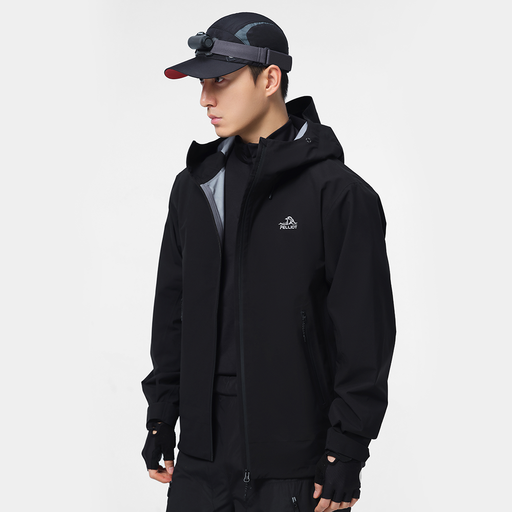
Why it suits this profile: This unisex outdoor jacket is suitable for everyday use, gentle walks and rainy bike rides. The neutral black colour works well with a range of outfits.
The product description mentions a waterproof laminated layer, wind-resistant construction and a moisture-wicking inner side. Check the current size guide before ordering.
Hardshell model with mesh or technical textile on the inside, available in sizes XS to XXL according to the product information.
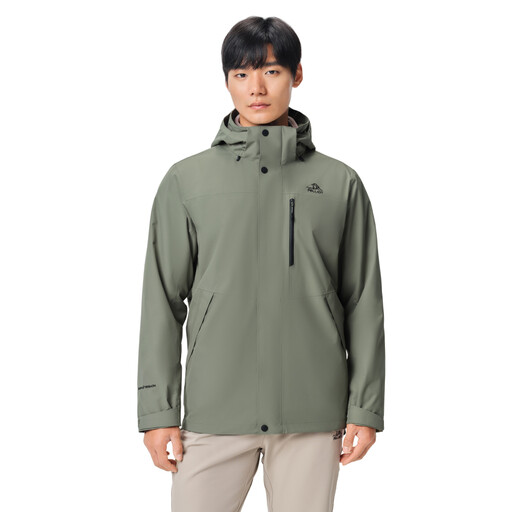
Why it suits this profile: A practical choice for anyone who wants to use one jacket for camping, trekking, commuting and cold-weather walks.
The 3-in-1 construction means you do not need a separate jacket for every season. According to the product description, the hydrostatic head, breathability and abrasion resistance are listed separately.
35,900 mm H₂O, 16,000 g/m²/24 hours and more than 40,000 abrasion cycles according to the stated JIS and product tests; the fleece lining is removable.
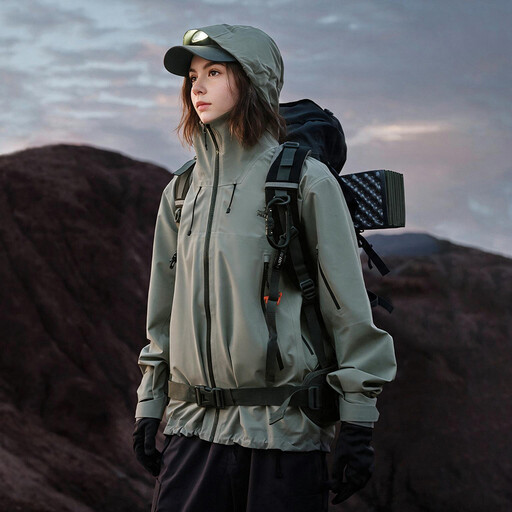
Why it suits this profile: Designed for users who regularly tackle rugged terrain, mountain trails or demanding outdoor activities.
The product description mentions longer underarm ventilation zips and a hard-wearing, stretchy outer material. These are important features during strenuous activity and when brushing against branches or rocks.
Ventilation zips, a zipped chest pocket and a RECCO reflector according to the product information. For mountain sports, always check whether additional safety equipment is required.
Measure your chest while wearing a thin shirt and compare it with the stated chest measurement. If you plan to wear a fleece-lined jacket or an additional mid-layer, leave enough room for movement around the shoulders and underarms. When choosing a men’s or unisex outdoor jacket, also pay attention to sleeve length; sleeves that are too short allow rain and wind in more easily.
Care affects the product’s lifespan. Close zips and fasteners before washing, use a delicate cycle and avoid bleach and fabric softener. Many of the models mentioned recommend cold washing and air drying. Always follow the care label for the product you choose. A durable outdoor jacket remains functional only when the coating, seams and fabric are treated correctly.
We have put together a complete, up-to-date list of products that fully meet these strict selection criteria and the applicable European safety regulations.
Yes, if you are mainly looking for protection from rain and wind. For longer walks in low temperatures, you may need a fleece or another insulating layer. A hardshell is generally lighter and more versatile than a heavily insulated jacket.
That depends on use, friction, washing and exposure to dirt. Daily cycling and contact with rucksack straps put more strain on the fabric than occasional use in town. Check the seams and water-repellent performance regularly, and follow the manufacturer’s care instructions.
A 3-in-1 jacket offers several wearing options, but the suitable temperature varies from person to person and depends on the activity and base layers. Wear the shell in the rain, the lining in mild cold and both layers when you need extra protection. For exact temperature guidance, check the product page.
