
Vandaag of morgen in huis

Kwaliteit gegarandeerd

Welkomstaanbiedingen ontgrendelen: GRATIS bezorging | Tot 80% korting | Gratis 30 dagen JoyPlus-proefperiode
Download de app
A waterproof outdoor jacket needs to cope with more than a brief shower in the Netherlands. During a cycle ride, walk or camping weekend, rain, wind, cold and exertion can quickly alternate. Yet a prominent claim on a product page does not always tell you enough about everyday use.
The most common poor purchases stem from three pitfalls:
Pay attention to the difference between a water-repellent jacket, a waterproof jacket and a hardshell jacket. A hardshell is generally designed as a protective outer layer and often features a membrane or laminate. As well as the fabric, check whether the product description mentions taped or sealed seams, zips and adjustable cuffs.
An outdoor jacket with a hood offers better protection when the hood is adjustable and covers your head sufficiently without obstructing your vision. For prolonged rain, a high collar, storm flap and adjustable hem are practical details.
Someone taking a leisurely walk or doing the shopping has different requirements from someone wearing a trekking jacket during a strenuous climb. Breathable rain jackets sometimes include an MVTR rating: g/m²/24 hours indicates how much water vapour the fabric can let through according to a specific test method. A higher value can be beneficial, but real-world performance also depends on temperature, exertion, base layers and ventilation zips.
For example, the PELLIOT fleece-lined models state a breathability rating of 16,000 g/m²/24 hours according to JIS. This is a product specification from the listing; it is not a guarantee that every wearer will stay dry in all conditions.
A shell mainly protects against rain and wind, but does not always provide enough warmth. For autumn and winter, a 3-in-1 jacket can be more practical: the outer layer, inner layer or combination can be worn separately. A fleece-lined jacket is particularly useful if you do not want to carry several separate layers with you.
Also consider abrasion resistance when carrying a rucksack or walking through woodland and rocky terrain. The PELLIOT 3-in-1 models state 40,000+ abrasion cycles. According to the product information, this is a test value; when purchasing, also check the current product specifications and care instructions.
For everyday use, a jacket with a hood, long sleeves and wind protection is often sufficient. A heavy mountain jacket may be unnecessary if you mainly cycle to work, go on short walks or want protection from light rain. However, bear in mind that ‘protection from light rain’ is not the same as long-lasting waterproofing.
If you spend a lot of time outdoors, it is worth looking at seals, breathability, adjustability and the origin of the materials. A hardshell jacket with clear technical specifications is generally easier to assess than a jacket featuring only broad marketing claims.
For trekking, camping and long walks, abrasion resistance, ventilation, room for layers and a reliable hood are important. A 3-in-1 jacket can be versatile, while a lightweight shell may be more suitable when low weight and compact pack size are priorities.
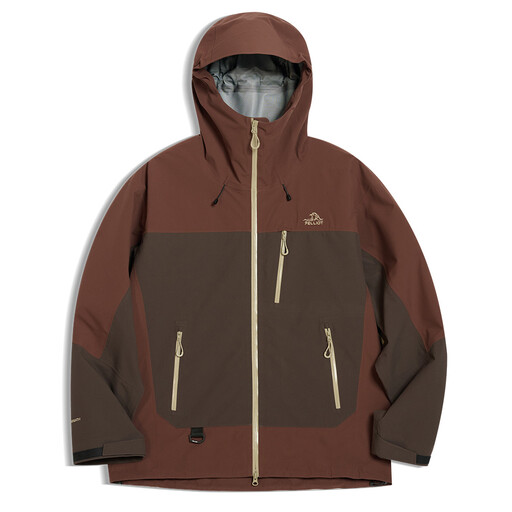
Why it suits this profile: This unisex hardshell is designed for everyday use, travel, walking and camping. The product information states that the outer fabric is windproof, waterproof and abrasion-resistant.
The listing highlights not only rain protection, but also breathability and abrasion resistance. Before buying, check that you choose the right size and have enough room for an extra layer.
Unisex fit, adjustable layering options and suitability for both the city and outdoor terrain according to the product description.

Why it suits this profile: The listing states that it features seam-sealed DryVent outer fabric, a hood and 100% recycled polyester with a Non-PFC DWR finish.
The product description mentions sealed seams rather than just a water-repellent coating. According to the care information, the DWR finish does require suitable maintenance.
DryVent technology, zipped pockets and a standard fit for outdoor training and everyday use.
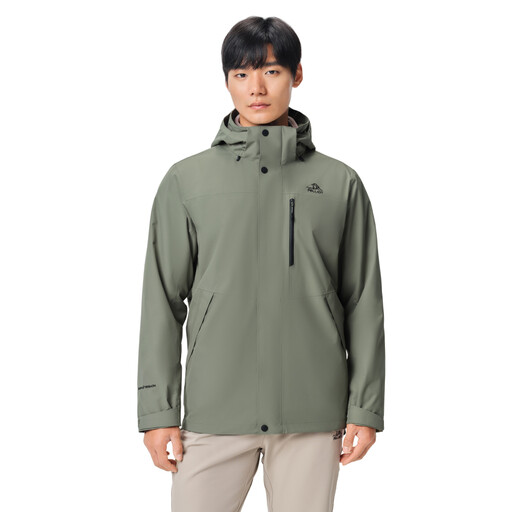
Why it suits this profile: The 3-in-1 design is practical for camping, trekking and commuting in changeable temperatures. You can wear the shell, lining or both layers.
The listing provides specific figures for hydrostatic head, breathability and abrasion resistance. According to the product information, these are 35,900 mm H₂O, 16,000 g/m²/24 hours and 40,000+ abrasion cycles.
Fleece lining, adjustable hood, hem and cuffs, plus three ways to wear it.
We have put together a complete, up-to-date list of products that fully meet these strict selection criteria and the applicable European safety regulations.
Always use the size chart for the specific model. Ideally, measure your chest while wearing a shirt or thin layer, and allow for fleece or thermal clothing. With the PELLIOT fleece-lined jacket, the outer and inner sizes differ; this is relevant when wearing both layers together.
Care also affects how long a waterproof jacket retains its properties:
A windproof jacket with fleece may be warmer, but it also takes up more room in your bag. A lightweight hardshell is more compact, but in cold weather it requires a separate insulating layer. So do not choose based solely on the word ‘waterproof’; consider the combination of weather, activity and clothing layers.
No. Waterproofing and breathability are different properties. Look for a stated MVTR rating or a specific membrane, but bear in mind conditions such as exertion, temperature and base layers.
Its lifespan depends on use, friction, washing and care. A jacket that is often worn under a heavy rucksack will wear more quickly around the shoulders and seams. Follow the care label and regularly check the zips, coating and cuffs.
That depends on how you will use it. A 3-in-1 jacket offers more combinations and can therefore be useful across different seasons. If you are only looking for a compact rain layer, a separate hardshell or breathable rain jacket may be more practical.
