
Vandaag of morgen in huis

Kwaliteit gegarandeerd

Welkomstaanbiedingen ontgrendelen: GRATIS bezorging | Tot 80% korting | Gratis 30 dagen JoyPlus-proefperiode
Download de app
A waterproof outdoor jacket needs to cope with more than a short shower in the Netherlands. Whether you are cycling to work, walking in the Veluwe or camping for the weekend, rain, wind and temperatures can change quickly. However, not every jacket labelled “waterproof” is suitable for intensive use.
A jacket can keep out the rain while offering very little ventilation. During brisk walks or trekking, condensation can then build up on the inside. So do not just look at the water-repellent outer layer. Also consider breathability, ventilation zips and a mesh or technical lining.
A puffer or parka with polyester filling provides warmth, but is often designed for everyday use and light precipitation. For prolonged rain, a hardshell jacket with sealed seams is usually the more sensible choice. Always check whether the product description actually mentions waterproofing, rather than simply “water-repellent”.
An outdoor jacket that fits well without a jumper may feel too tight with a fleece or thermal shirt underneath. Too much room can also be inconvenient: wind gets in more easily and the jacket may shift while cycling or climbing. Compare the chest, shoulder and sleeve measurements with a jacket you already find comfortable. A unisex rain jacket may fit differently from a specific men’s or women’s model.
Pay attention to the jacket’s construction:
Some product pages use terms such as “storm-proof”. This is a claim made by the brand. Base your choice on the listed materials, seams and closures, rather than on the marketing term alone.
A breathable outdoor jacket is particularly useful for walking, cycling and climbing. Look for a breathable membrane, mesh lining or ventilation zips under the arms. For example, according to the product description, the THE North Face Triclimate jacket has ventilation zips under the arms. This can be practical during exertion, but your actual experience will also depend on your pace, humidity and the layers worn underneath.
A hardshell jacket is usually an outer layer. On cold days, combine it with a fleece or insulating layer. A 3-in-1 jacket already includes an inner layer, making it more versatile. Do check whether the inner jacket can be worn separately and how the two layers fasten together.
For winter use, a lined hood, adjustable cuffs and sufficient freedom of movement are more useful than simply having thick padding. A winter jacket with a hood is suitable for commuting and everyday use, but for intensive trekking, a lighter layering system may be more comfortable.
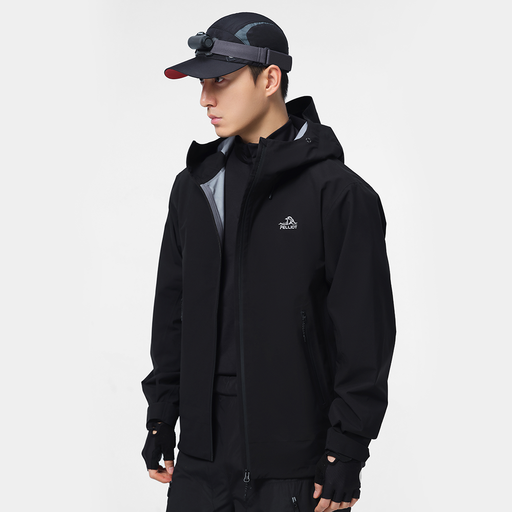
Why it suits this profile: This unisex hardshell jacket is designed for walking, commuting and watersports. According to the size chart, size M has a chest measurement of 116 cm and provides room for a thin mid-layer.
The product information mentions a waterproof and wind-resistant outer layer, breathable mesh or technical fabric, and hard-wearing material. However, check the latest details on the product page before buying.
Nylon or polyester blend with waterproof laminate; suitable for everyday use and trekking.

Why it suits this profile: The Triclimate 3-in-1 design is suitable for changeable weather, longer walks and everyday use. The outer layer and down inner jacket can be worn separately or together.
The construction means you do not need a separate jacket for every type of weather. The product description mentions taped seams, ventilation zips and an adjustable hood.
550-fill-power down; outer layer with GORE-TEX according to the supplied product information; underarm zips for ventilation.
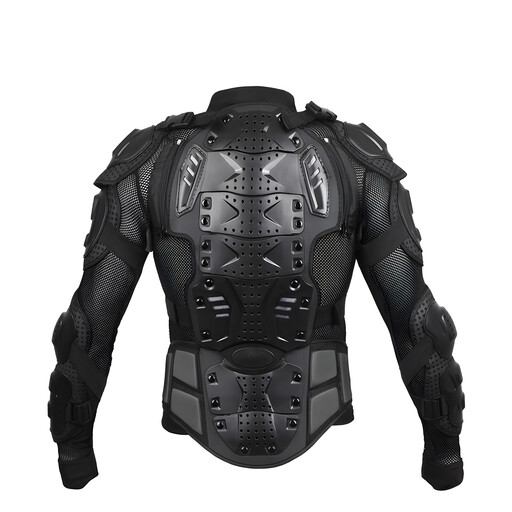
Why it suits this profile: This motorcycle protective jacket is designed for off-road riding, mountain biking and other activities with an increased risk of falling. The fit can be adjusted with shoulder straps, a hook-and-loop fastening and elasticated sleeves.
A loose fit can reduce protection. This body armour is therefore designed for a close fit. Before use, check the protectors for cracks or deformation, and check any required certification separately.
Removable PE/EVA protectors; breathable mesh; adjustable waist, shoulder and sleeve sections.
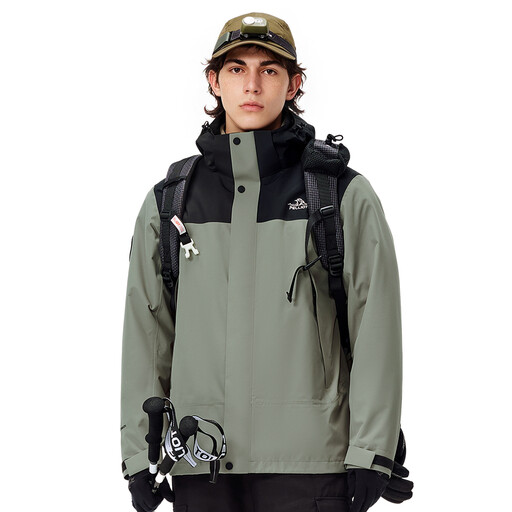
Why it suits this profile: The 3-in-1 jacket can be used as a separate shell, separate lining or combined layer. This makes it suitable for camping, trekking and commuting in changing temperatures.
The different ways to wear it reduce the need to take several jackets with you. According to the product information, the shell has a breathable membrane, taped seams and a hard-wearing outer layer.
Shell and thermal lining can be worn separately; size chart from S to XXXL; designed for layering.
We have put together a complete, up-to-date list of products that fully meet these strict selection criteria and the applicable European safety regulations.
Wash a waterproof jacket according to the care label and fasten the zips before washing it. Do not use fabric softener if the product instructions advise against it, as it can affect the performance of technical fibres. Allow the jacket to air-dry and avoid direct heat unless the label states otherwise. After every trip, check the zips, seams and cuffs for damage.
It can be, provided the jacket offers sufficient freedom of movement, the sleeves are long enough and the hood does not restrict your vision. Ventilation zips are useful on longer bike rides. For motorcycling, an ordinary jacket is not sufficient as a protective layer; choose dedicated motorcycle clothing with suitable protectors instead.
Its lifespan depends on use, washing, friction and storage. A jacket that is frequently rubbed against rocks or worn every day will wear out more quickly than a model used for occasional walks. Store it dry and follow the care instructions to preserve the materials and fastenings as effectively as possible.
A 3-in-1 jacket offers greater flexibility than a thin shell. The product information for some models mentions combined use in low temperatures, but the warmth you experience varies from person to person and depends on the base layer. So check the insulation, fit and room for an additional fleece before ordering.
