
Vandaag of morgen in huis

Kwaliteit gegarandeerd

Welkomstaanbiedingen ontgrendelen: GRATIS bezorging | Tot 80% korting | Gratis 30 dagen JoyPlus-proefperiode
Download de app
A waterproof outdoor jacket needs to cope with more than a brief shower in the Netherlands. During a cycle ride, walk or camping weekend, rain, wind and temperatures can change quickly. Yet a product name such as “waterproof”, “hardshell” or “all-weather” does not automatically tell you enough about everyday use.
The three most common pitfalls are:
Confusing waterproof with water-repellent
A jacket with only a DWR coating can temporarily make raindrops bead off. That is different from a waterproof jacket with laminated fabric and sealed seams.
Ignoring seams and fastenings
Strong outer fabric is of little use if water gets through the seams. Check whether the seams are taped or sealed. Zips, cuffs and the way the hood is attached also determine how much protection you get.
Choosing the wrong fit
A men’s or women’s outdoor jacket should allow room for movement and possibly a fleece. A fit that is too tight restricts freedom of movement; one that is too loose can let wind in. Always check chest, shoulder and sleeve measurements in centimetres, rather than relying solely on S, M or L.
When choosing a rain jacket or trekking jacket, look for a clear technical description. A manufacturer may, for example, state a hydrostatic head rating. This is usually given in millimetres and indicates how much water pressure the fabric can withstand according to the test method used. A higher rating can be useful in prolonged rain, but it does not tell you everything about the end result.
Also check:
If these details are missing from the product information, do not simply assume the jacket will protect you in heavy rain. For commuting, a simple water-repellent jacket may be sufficient. For trekking, watersports or camping, a hardshell jacket with clear construction details is the more logical choice.
A windproof jacket keeps cold air out more effectively, but it can also feel warmer during brisk walks. A breathable jacket helps release moist heat, but “breathable” is not an unlimited guarantee against perspiration. The result depends on your level of exertion, humidity, layers and ventilation.
Practical features include:
For running or intensive walking, a lightweight shell is often more practical than a padded winter jacket. For everyday use in cold weather, a winter jacket with a hood can offer greater comfort, especially when warmth matters more than low weight.
Polyester, polyamide and nylon are commonly used in outdoor jackets. The material alone does not determine whether a jacket is suitable. Also look at its construction:
A water-repellent coating can become less effective through washing and use. Always follow the care label. Do not use fabric softener if the product information advises against it, and do not tumble-dry a technical jacket at a high temperature unless the label permits this. Fastening the zips before washing helps prevent unnecessary wear.
The same walking jacket will not necessarily be suitable for every activity. For a city walk, pockets, a smart cut and a lightweight construction are important. For mountain trips, durability, ventilation, adjustability and room for several layers matter more. For watersports, a construction that closes securely is more important than a fashionable fit.
The selection below links product specifications to different usage profiles. Before buying, always check the current size, colour, availability and product information on the product page.
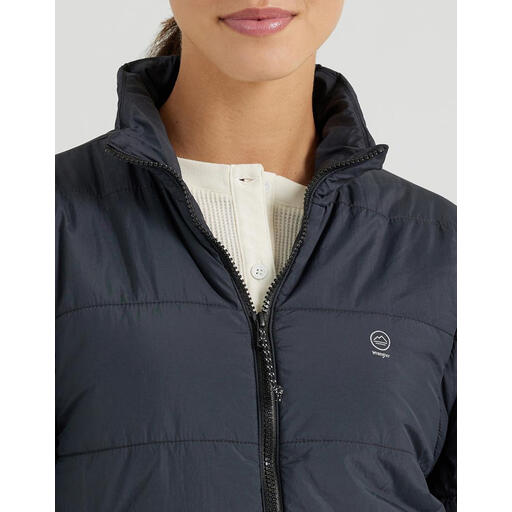
Why it suits this profile: According to the product description, this outdoor jacket has a hood, long sleeves and a polyester outer layer. That makes it suitable for everyday use and light outdoor activities.
The description mentions protection against wind and light rain, not heavy rain. This makes its limits of use clearer.
A hood, long sleeves and a versatile fit for everyday use.

Why it suits this profile: According to the product description, this 3-in-1 model combines an outer layer with a down inner jacket. This offers several wearing options in changeable and cold weather.
The product information describes an outer layer with taped seams and a separate insulating layer. However, check that this combination suits your desired freedom of movement.
3-in-1 construction, 550 fill power down according to the product information, and an adjustable hood, cuffs and hem.
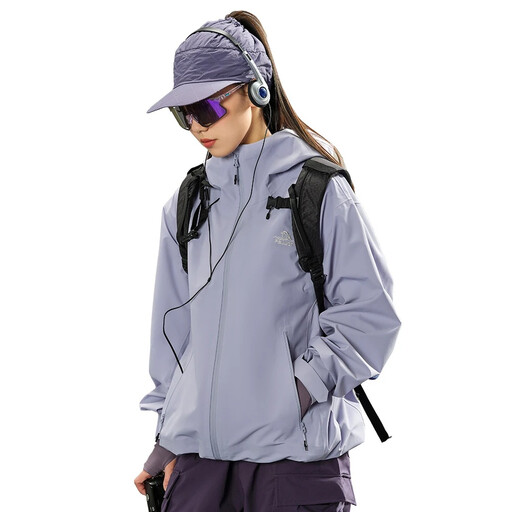
Why it suits this profile: According to the product description, this unisex hardshell is designed for trekking and watersports, with a utility fit and room for layering.
The description mentions wind resistance, a waterproof laminate and hard-wearing material. Before buying, check the exact fastenings and sizing on the product page.
Sizing information in centimetres, mesh or technical textile lining according to the description, and a design for more rugged terrain.
We have put together a complete, up-to-date list of products that fully meet these strict selection criteria and the applicable European safety regulations.
It can be, but pay particular attention to weight, ventilation and fit. A heavy padded jacket can become too warm during intensive exercise. A lightweight breathable jacket with ventilation zips is often more practical. Also check that the hood and cuffs stay securely in place while you are moving.
Its service life depends on the material, wear, washing and care. The outer layer may become less water-repellent over time, even if the jacket itself is still usable. Follow the care label and only use a suitable reproofing product when it is recommended for the material. When checking for wear, pay attention to the seams, zips and any damage to the shell.
The price depends on factors including the material construction, brand, insulation, seam finishing and additional features. A jacket for light rain and everyday use does not need the same construction as a trekking jacket designed for prolonged rainfall. So compare the specifications and intended use first, and the price afterwards.
