
Vandaag of morgen in huis

Kwaliteit gegarandeerd

Welkomstaanbiedingen ontgrendelen: GRATIS bezorging | Tot 80% korting | Gratis 30 dagen JoyPlus-proefperiode
Download de app
A walk through the Veluwe, a cycle ride in the rain or a camping weekend in the Ardennes calls for more than a jacket that merely looks water-repellent. A good waterproof outdoor jacket should keep the rain out, allow freedom of movement and prevent you from becoming clammy inside during exertion.
There are, however, several common pitfalls. A high hydrostatic head rating does not tell you everything about overall protection, for example. The term “breathable” is also often used without a clear measurement. By checking the material, seams, fit and care requirements, you can avoid making the wrong purchase.
A coating may initially cause raindrops to roll off the fabric, but that does not automatically mean the jacket can cope with prolonged or heavy rain. So look for:
A waterproof walking jacket relies mainly on the combination of membrane, coating, seams and construction.
A thick fleece-lined jacket can be comfortable during a leisurely walk, but excessive warmth can become less comfortable during a strenuous climb. So look for ventilation options such as underarm zips, a breathable lining and enough room for layers.
A shell jacket works well when combined with a fleece or insulating layer. A 3-in-1 jacket offers more combinations, as the outer layer and inner jacket can be worn separately or together.
Outdoor jackets do not always fit the same way. Check the size chart for the specific model and measure your chest, shoulder width and arm length. When choosing a trekking or camping jacket, also allow room for a jumper or fleece.
A jacket that is too tight restricts your freedom of movement. One that is too loose may let wind in and make the hood or cuffs less effective.
Hydrostatic head is expressed in millimetres or sometimes as mm H₂O. A higher value indicates greater resistance to water pressure, but the test method and product construction remain important. In practice, a jacket with taped seams and a well-fitting hood may offer better protection than one with only a high marketing claim.
For the PELLIOT fleece-lined models, the product information states a hydrostatic head of 35.900 mm H₂O according to JIS. This is a product specification provided by the brand; practical protection also depends on use, wear, zips and care.
Breathability is often shown as MVTR, for example in grams per square metre per 24 hours. This indicates how much water vapour the fabric can allow through under the relevant test conditions. The result does not guarantee that you will stay dry during every activity, as pace, humidity, clothing layers and ventilation all play a part.
The PELLIOT 3-in-1 models mentioned state an MVTR of 16.000 g/m²/24 hours according to JIS. According to PELLIOT’s product information, the jacket is designed to remove moisture during intense activities. Treat this as a verifiable product specification, not as a medical or absolute performance claim.
Also check:
According to the product information, various PELLIOT models are stated to offer abrasion resistance of more than 40,000 rubbing cycles. This figure comes from the product description and mainly says something about the material test carried out, rather than indicating a fixed lifespan in every use situation.

Why it suits this profile: This women’s outdoor jacket combines an outer layer with a removable warm inner layer. It is practical for commuting, walks and camping in changing temperatures.
The product information states a hydrostatic head of 35.900 mm H₂O, an MVTR of 16.000 g/m²/24 hours, and an adjustable hood, hem and cuffs.
3-in-1 wearing options, fleece lining and stated abrasion resistance of more than 40,000 rubbing cycles according to PELLIOT.

Why it suits this profile: This The North Face jacket is a lightweight shell for walking and everyday use. Its versatile construction suits anyone who wants to combine a separate rain layer with their own fleece or insulating clothing.
According to the product description, the jacket has fully sealed seams, DryVent fabric, an adjustable hood and an adjustable hem.
2-layer polyester, mesh lining, two zipped pockets and a DWR finish that can be reapplied according to the product information.
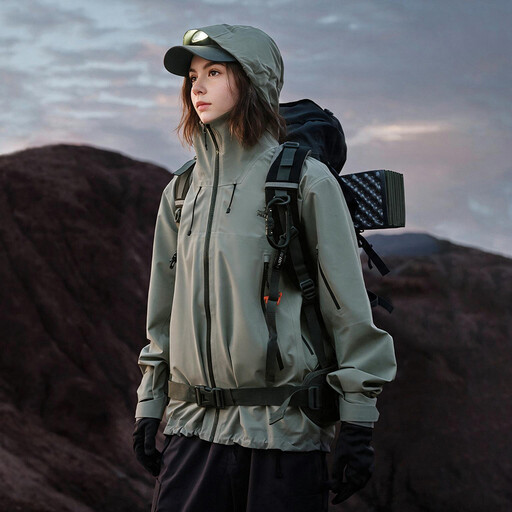
Why it suits this profile: This trekking jacket is designed for more demanding routes, rocky terrain and activities where ventilation and freedom of movement are important.
The product information mentions longer underarm ventilation zips, an adjustable fit and an abrasion-resistant outer fabric.
RECCO reflector according to the product description, zipped sleeve pocket and mesh lining for moisture management.

Why it suits this profile: According to the product information, this men’s outdoor jacket consists of a protective outer layer and a down inner jacket. The layers can be worn separately or together.
The 3-in-1 design means you do not need a separate jacket for every temperature. According to the product description, the outer layer has taped seams and underarm zips.
GORE-TEX outer material according to the product information, 550-fill-power down and layers that can be worn separately.
Wash a waterproof outdoor jacket according to the care label, and fasten the zips and hook-and-loop fastenings beforehand. Do not use bleach, and avoid tumble-drying if the instructions do not permit it. With some jackets, the DWR finish may need to be reactivated or reapplied over time.
After a walk, check the seams, cuffs and zips. Mud and salt residue can damage the fabric. Allow the jacket to dry completely before storing it, and do not keep it compressed in a rucksack for long periods.
We have put together a complete, up-to-date list of products that fully meet these strict selection criteria and the applicable European safety regulations.
No. Waterproofing and breathability are different properties. Check whether the manufacturer states a measurement such as MVTR. Ventilation zips and a suitable base layer can also help remove moisture during exertion.
Its lifespan depends on use, friction, washing and care. A jacket that is frequently worn with a heavy rucksack will wear out more quickly around the shoulders and hips. Follow the care label and treat the water-repellent outer layer when necessary.
That depends on how you use it. A 3-in-1 jacket provides an outer layer and insulating layer in one purchase, making it practical for changing conditions. If you mainly walk in mild rain, a separate breathable waterproof jacket combined with an existing fleece may work out cheaper. So consider the combinations you want, the available room for layers and the cost of care.
