
Vandaag of morgen in huis

Kwaliteit gegarandeerd

Welkomstaanbiedingen ontgrendelen: GRATIS bezorging | Tot 80% korting | Gratis 30 dagen JoyPlus-proefperiode
Download de app
A waterproof outdoor jacket may seem straightforward to choose at first glance. However, marketing terms, unclear sizing and unsuitable material choices can leave you with an impractical jacket after just a few months. Whether you are walking in the Ardennes, cycling to work or camping for a weekend in the Netherlands, the construction and fit are particularly important.
A water-repellent coating initially makes rain roll off the surface. That does not automatically mean the jacket can withstand heavy showers for extended periods. Check whether the product information mentions a waterproof membrane, taped seams or a water-column rating.
A DWR finish may become less effective over time due to washing, dirt and friction. According to The North Face’s product description, the water-repellent finish on the Quest Jacket can be reapplied. This is a care instruction, not a guarantee that the jacket will keep you dry in all conditions.
When walking or cycling, heat and moisture build up on the inside. A jacket may keep out the rain but still feel clammy if its breathability is limited. Look out for a stated MVTR rating: this indicates how much water vapour the material can let through under a particular testing method.
Ventilation zips, a mesh lining and adjustable cuffs also make a difference. “Breathable” without a rating or further explanation is primarily a marketing description. According to PELLIOT’s own product information, a 3-in-1 model has an MVTR of 16,000 g/m²/24 hours, measured according to JIS. Always check the full product page and the testing method used.
You will not always wear a waterproof walking jacket over a T-shirt. In spring and autumn in the Netherlands, you may need a fleece or lightweight insulating layer. A jacket that is too tight restricts your freedom of movement and can put strain on zips and seams.
Measure your chest and compare it with the size chart. Also look at the back length, sleeve length and shoulder width. A unisex model may have a different cut from a women’s outdoor jacket or men’s outdoor jacket. If you want to wear layers, only choose one size larger when the size chart and your preferred fit support this.
A hardshell jacket is designed as an outer layer against rain and wind. Important details include:
A water-column rating can help when comparing products. PELLIOT states 35,900 mm H₂O according to JIS for a fleece-lined 3-in-1 outdoor jacket. This is a test result supplied by the brand. Treat such a rating as one point of comparison; your actual experience will also depend on the seams, zips, wear and care.
For calm everyday use, a simple waterproof jacket may be enough. For trekking, climbing or brisk walking, a breathable waterproof jacket with a well-designed fit is more practical. A mesh lining can improve comfort, but it does not automatically make the jacket suitable for intense activity.
Check that the sleeves are long enough when you extend your arms forwards. For a walking jacket, pockets at a practical height are also important, especially when wearing a hip belt or rucksack.
A hardshell jacket usually protects against rain and wind, but it does not always provide much insulation. Combine it with a fleece jacket or lightweight padded mid-layer when the temperature drops. A 3-in-1 outdoor jacket consists of an outer layer and a removable inner layer. You can wear the layers separately or together.
A separate fleece is often more versatile and easier to wash. A fleece-lined jacket, on the other hand, is convenient when you want to use one combination for camping, travelling and commuting.
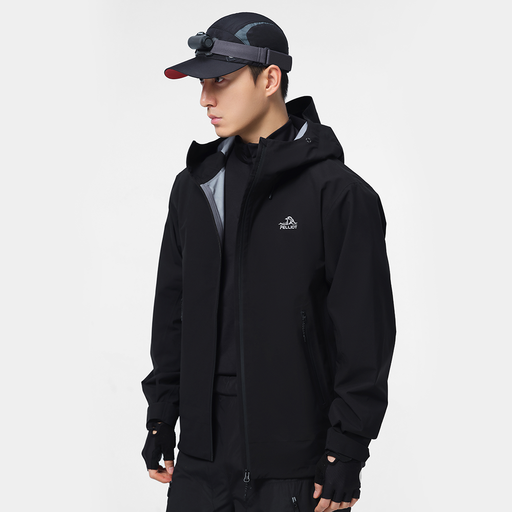
Why it suits this profile: This unisex hardshell jacket is designed for everyday use, short walks and travelling. The size chart states a chest measurement of 112 cm for size S and offers sizes from XS to XXL.
The product description mentions wind resistance, breathable fabric and a hard-wearing outer layer. This means the jacket is not described solely in terms of its coating.
Unisex design, mesh or technical lining according to the product information, and suitable for the city and walking trails.

Why it suits this profile: This women’s outdoor jacket is designed as a shell for walking and changeable weather conditions. According to the stated chart, sizes range from XS to 3XL.
According to the product description, the seams are fully taped. This addresses a common weak point in waterproof jackets.
DryVent fabric according to the brand, an adjustable hood, elasticated cuffs and two zipped pockets.
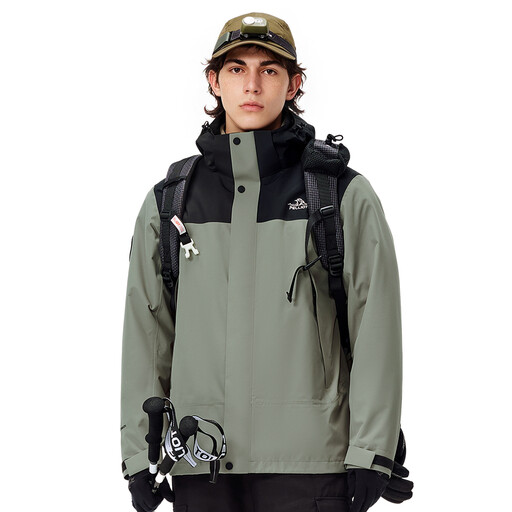
Why it suits this profile: The 3-in-1 construction is ideal for camping, trekking and commuting when you want one system for several seasons.
The product information specifies an outer layer, inner layer and combined wearing options. This means you do not need a separate jacket for every temperature.
According to PELLIOT’s own product information: a 35,900 mm H₂O water-column rating, breathability of 16,000 g/m²/24 hours and more than 40,000 abrasion cycles according to the stated tests.
We have put together a complete, up-to-date list of products that fully meet these strict selection criteria and the applicable European safety regulations.
Wash a waterproof outdoor jacket according to the care label. Do not use fabric conditioner if the manufacturer advises against it, as this can affect the properties of technical fabrics. Fasten zips before washing and allow the jacket to air-dry if the product information instructs you to do so.
Regularly check the seams, cuffs and zips. Hang the jacket up to dry and do not leave it damp in a bag for long periods. A hardshell jacket with a DWR finish may need reproofing over time; follow the brand’s instructions for this.
Yes, if you are mainly looking for protection against rain and wind. A hardshell jacket is practical for gentle cycling, travelling and walking. In cold weather, you may need a fleece or another mid-layer.
A waterproof walking jacket is usually a single outer layer. A 3-in-1 outdoor jacket combines a waterproof outer layer with a removable insulating layer. This gives you more wearing options, but the jacket is often heavier and bulkier.
Measure your chest, waist and arm length, then compare these measurements with the size chart for the specific model. Take layering and rucksack use into account. Do not look only at S, M or L: sizing varies between brands and fits.
