
Vandaag of morgen in huis

Kwaliteit gegarandeerd

Welkomstaanbiedingen ontgrendelen: GRATIS bezorging | Tot 80% korting | Gratis 30 dagen JoyPlus-proefperiode
Download de app
In the Netherlands, a waterproof outdoor jacket needs to cope with more than a brief shower. During a cycle ride, a walk through the dunes or a camping weekend, rain, wind and temperatures can change quickly. Even so, it is not wise to rely solely on words such as “waterproof”, “breathable” or “all-weather”. These terms do not always tell you how well a jacket will suit your intended use in practice.
Use these checks to compare a waterproof outdoor jacket based on features that can be found in the product information. This helps you avoid a poor purchase and choose more confidently between a hardshell jacket, men’s rain jacket, windproof jacket or 3-in-1 outdoor jacket.
A jacket may keep the rain out, but during strenuous walking or running, heat and perspiration can build up on the inside. So check whether the product description mentions breathability, ventilation zips or a lining. Also bear in mind that “breathable” is not always accompanied by a measurement. Without specific waterproofing or breathability figures, you cannot make a direct comparison between products on this point.
A windproof jacket keeps cold air out, but does not automatically protect you from prolonged rain. Some models are mainly intended for dry, windy weather. If you are looking for a jacket for walking in wet conditions, check specifically for a waterproof outer layer, sealed seams or a water-repellent treatment.
You will often wear an outdoor jacket over a fleece, jumper or thermal top. A model that is too tight restricts your freedom of movement and can place extra strain on the zips or seams. As well as chest measurements, check the sleeve length, shoulder width and jacket length. A unisex model may have a different cut from a traditional men’s outdoor jacket.
A waterproof trekking jacket needs more than a protective outer fabric. Seams, zips, hood and cuffs all affect how rain can get in. Taped seams are a product feature that can be checked. For example, the THE North Face Triclimate models specify taped outer seams. This is useful information for anyone looking for a jacket for camping or long walks.
When a water-repellent coating such as DWR is used, it is important to follow the care instructions. The coating may become less effective through use and washing. A water-repellent jacket is also not automatically the same as a fully waterproof jacket.
Moisture management is important for walking, trekking and running. Look for underarm ventilation zips, a breathable material specification and a design that allows sufficient freedom of movement. According to the product description, the PELLIOT hardshell is made with a waterproof, breathable and hard-wearing outer fabric. As no hydrostatic head or moisture-management figures are provided, it is sensible to treat this as a manufacturer’s product claim rather than a universal guarantee.
A hardshell jacket generally protects against rain and wind, but does not always have a warm lining. In cold weather, you may need a fleece or down layer. A 3-in-1 outdoor jacket combines an outer layer with an inner jacket. According to the product information, these layers can be worn separately or together. This makes such a model suitable for changing conditions, but always check the filling material, size and washing instructions.
Care also affects the jacket’s lifespan. Close the zips before washing, use a mild detergent and follow the care label. According to the instructions provided, the PELLIOT hardshell can be washed cold on a delicate cycle, but must not be bleached or tumble-dried. According to the product information, the THE North Face DryVent jacket is made from 100% recycled polyester with a non-PFC DWR finish. The manufacturer also states that the water-repellent finish can be reactivated when permitted by the care label.
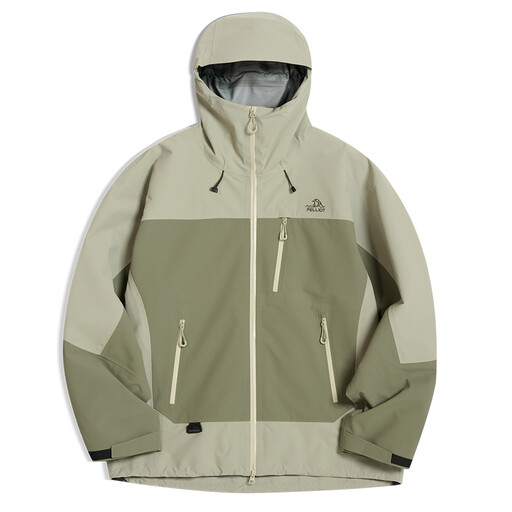
Why it suits this profile: According to the product description, this unisex hardshell is designed for camping, travel, walking and everyday use. The size chart allows room for layers, which is practical for people new to outdoor activities.
The description separately mentions waterproofing, breathability, windproofing and abrasion resistance. Do check the current size chart and bear in mind that no measurement figures are provided.
Unisex fit, adjustable sizing based on height and weight, and an outer fabric that the manufacturer describes as waterproof, breathable and hard-wearing.

Why it suits this profile: This Triclimate system is designed for users who want one jacket solution for several seasons and activities. According to the product information, the outer and inner layers can be worn separately or together.
The jacket uses taped seams, an adjustable hood, cuffs and hem. This means several potential leak points and openings for draughts can be adjusted.
Two layers, 550-fill-power down according to the product information, underarm zips and an outer layer made from recycled polyester with a PFC-free DWR finish.

Why it suits this profile: The product information positions this model for outdoor running and training. This suits users looking for a relatively purpose-built men’s rain jacket for active movement.
The manufacturer specifies seam-sealed DryVent fabric and a hood, cuffs and pockets with zips. These features are more specific than simply describing a product as “weather-resistant”.
100% recycled polyester according to the product description, non-PFC DWR, zipped chest and hand pockets, and a standard fit.
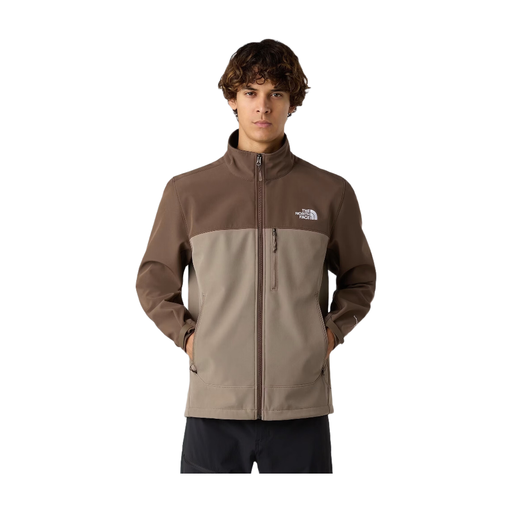
Why it suits this profile: According to the product description, this model is a windproof jacket for spring activities and everyday use. The fleece back is designed to provide comfort in less wet conditions.
The product information mentions windproofing, adjustable cuffs and a drawcord at the hem. Do not regard this as a substitute for a fully waterproof jacket in prolonged rain.
93% polyester and 7% elastane according to the product information, a fleece back, zipped pockets and a standard fit that the manufacturer describes as close-fitting.
We have put together a complete, up-to-date list of products that fully meet these strict selection criteria and the applicable European safety regulations.
Its lifespan depends on use, wear and tear, washing and care. Check the seams, zips and outer layer regularly. Wash the jacket according to the care label and do not use bleach unless permitted. With a DWR finish, reproofing may be needed when water no longer beads on the fabric.
Yes, if you are mainly looking for protection from rain and wind. A hardshell jacket is often lightweight and suitable as an outer layer, but may be less warm than a lined jacket. For commuting during the colder months, you may need a fleece or another mid-layer.
Routine care mainly involves washing as instructed and drying the jacket carefully. Over time, a new waterproofing treatment may be needed. First check whether the manufacturer recommends a specific treatment. This helps prevent heat, detergent or the wrong product from damaging the water-repellent layer.
