
Vandaag of morgen in huis

Kwaliteit gegarandeerd

Welkomstaanbiedingen ontgrendelen: GRATIS bezorging | Tot 80% korting | Gratis 30 dagen JoyPlus-proefperiode
Download de app
A waterproof outdoor jacket needs to cope with more than a brief shower in the Netherlands. When cycling, walking or camping, rain, wind and temperatures can change quickly. Yet a product name such as “waterproof” does not automatically say enough about comfort or durability.
Three common pitfalls are:
Waterproofing is often expressed as a hydrostatic head, for example in millimetres H₂O. Within the same testing method, a higher figure indicates greater resistance to water pressure. However, check whether the brand specifies the testing method and whether the seams are sealed.
A hardshell jacket is generally designed as a protective outer layer. It keeps out rain and wind, but does not always provide warmth. In cold conditions, wear a fleece or insulating layer underneath.
When walking, running or trekking, heat and moisture build up on the inside. According to the product description, a breathable jacket wicks away this moisture more effectively than a fully enclosed, non-technical jacket. For technical clothing, look for an MVTR rating, expressed in grams per square metre per 24 hours.
According to PELLIOT’s own product description, the purple 3-in-1 jacket has a hydrostatic head of 35.900 mm H₂O and breathability of 16.000 g/m²/24 hours, measured according to JIS. These are stated product specifications; your experience will also depend on exertion, layers and ventilation.
An outdoor jacket for women and men should leave enough room for a base layer and, if needed, a fleece. Look for:
A jacket that is too tight restricts movement and makes layering difficult. A jacket that is too loose may allow wind to enter through the hem and cuffs.
The right choice depends on your activity. For commuting, a simple windproof jacket may be sufficient if you mainly travel short distances. For a walking holiday or camping, sealed seams, adjustable features and hard-wearing material are more important.
A 3-in-1 jacket consists of an outer layer and an inner layer that can be worn separately or together. This is practical in changeable weather. A fleece-lined jacket or insulated parka provides more warmth, but is less versatile during intense activity. If you mainly walk in summer, you will often benefit more from a lightweight waterproof jacket with ventilation.
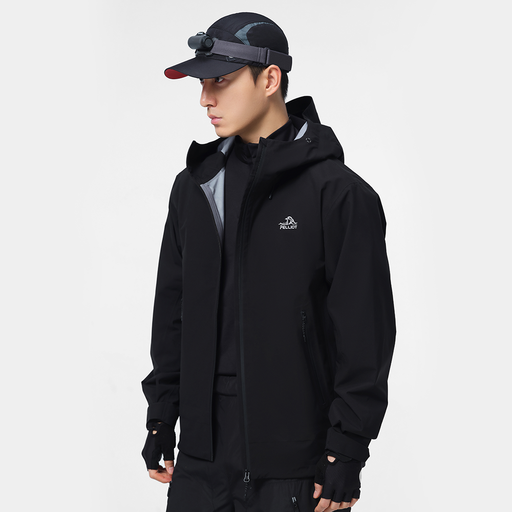
Why it suits this profile: This unisex hardshell is designed for rainy outings, water sports and everyday use. The neutral black colour works well with a range of outfits and activities.
The product description highlights wind resistance, a waterproof construction and a technical lining. Before buying, however, check the current sizing and care information.
Unisex design, hardshell construction and sizes from XS to XXL according to the product information.

Why it suits this profile: According to its own product description, the Quest Jacket is designed for walking and changeable, wet conditions. The women’s fit and adjustable features are practical for longer outdoor activities.
The product information states that it features fully sealed seams and windproof, breathable DryVent material. According to the manufacturer, the DWR finish can be reapplied; always follow the care label.
Adjustable hood, cuffs and hem; two zipped pockets with mesh lining according to the product description.
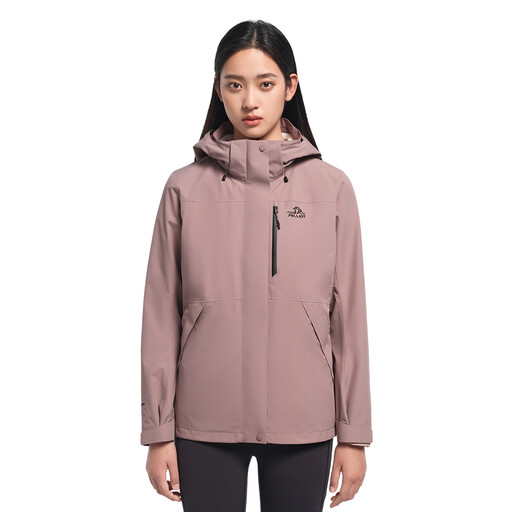
Why it suits this profile: This women’s jacket is designed for camping, travel, trekking and everyday commuting. According to the product description, the outer and inner layers can be worn separately or together.
The product description provides specific figures for hydrostatic head, breathability and abrasion resistance: 35.900 mm H₂O, 16.000 g/m²/24 hours and more than 40.000 abrasion cycles according to the stated JIS and test information.
3-in-1 design, fleece lining and adjustable hood, hem and cuffs; suitable for different seasons.
We have put together a complete, up-to-date list of products that fully meet these strict selection criteria and the applicable European safety regulations.
Even a durable waterproof outdoor jacket needs care. Wash it according to the label, fasten zips and hook-and-loop closures, and do not use bleach. Detergents and fabric softener can affect the water-repellent finish. Preferably allow the jacket to air-dry, and only reapply a DWR coating if the care label permits it.
After a walking or camping trip, check the seams, zips and cuffs. Mud and salt deposits can damage the finish. A jacket with a membrane should not be ironed unnecessarily at high temperatures or put in the tumble dryer.
It can be, as long as the jacket provides enough freedom of movement, ventilation and an adjustable hood. For leisurely walks, a lightweight shell is often sufficient. For trekking or running, breathability, underarm zips and an effective layering system are more important.
A hardshell jacket is primarily a protective outer layer against rain and wind. A fleece-lined jacket adds warmth, but can feel hot more quickly during exercise. A 3-in-1 jacket combines both functions and offers greater versatility.
This depends on the material, use, friction and care. The water-repellent outer layer may become less effective over time, while the base material remains intact. Follow the manufacturer’s care advice and check the seams and zips regularly.
