
Vandaag of morgen in huis

Kwaliteit gegarandeerd

Welkomstaanbiedingen ontgrendelen: GRATIS bezorging | Tot 80% korting | Gratis 30 dagen JoyPlus-proefperiode
Download de app
A waterproof outdoor jacket needs to cope with more than a brief shower in the UK. Whether you are walking along the coast, cycling to work or spending a weekend camping, you may encounter wind, rain, changing temperatures and perspiration. Even so, a product title containing words such as “stormproof” or “breathable” does not tell you everything you need to know.
Focus instead on verifiable specifications and how you plan to use the jacket. A women’s outdoor jacket, men’s outdoor jacket, hardshell jacket or 3-in-1 jacket each serves a different purpose.
A Durable Water-Repellent finish, also known as DWR, helps raindrops roll off the surface. This is different from a waterproof membrane with sealed seams. Check whether the product description mentions a membrane, welded or taped seams and a hydrostatic head test.
A jacket with only a water-repellent outer layer may be suitable for everyday use in light rain, but it is not automatically a waterproof walking jacket for prolonged rainfall.
Breathable fabric helps move moisture outwards, but the result also depends on exertion, temperature, backpack use and ventilation options. A jacket without underarm zips may feel warmer than expected during brisk walking or running.
Alongside any stated MVTR rating, look for ventilation zips, a mesh lining and the option to wear the shell on its own.
A thick fleece-lined jacket is comfortable in winter, but may be too warm in spring. An uninsulated hardshell jacket is more versatile, but requires a fleece or down layer in low temperatures. A 3-in-1 jacket offers several combinations, but check whether the inner and outer jackets can be worn separately and whether the fit leaves enough room for layers.
Hydrostatic head, expressed in millimetres H₂O, indicates how much water pressure the fabric can withstand in a test. A higher rating is relevant in heavy rain, when sitting on wet ground for prolonged periods or when carrying a backpack. However, the rating alone does not indicate how long a jacket will remain waterproof in real-world conditions. Seams, zips, wear and maintenance also play a part.
According to the product description, the PELLIOT women’s fleece-lined jacket has a hydrostatic head rating of 35,900 mm H₂O according to JIS. The same description states a breathability rating of 16,000 g/m²/24 hours according to JIS. These are the manufacturer’s product specifications and do not guarantee performance in every situation.
A waterproof jacket should not be made from waterproof fabric alone. Also check:
A windproof jacket with an adjustable hood, cuffs and hem provides a better fit in changing conditions. According to the product descriptions of various PELLIOT models, these adjustment points are included. Always check the current product page for the exact specification.
Measure your chest, waist and arm length, then compare these measurements with the size chart. Do not automatically choose the same size as you would for an ordinary jumper. A trekking jacket or jacket for mountain walking often needs enough room for a base layer and fleece.
Pay attention to the difference between body measurements and garment measurements. For example, the PELLIOT 3-in-1 women’s jacket lists separate measurements for the outer and inner jackets. The PELLIOT men’s fleece-lined jacket also provides measurements for both layers. This makes it easier to account for layering, but check the table for each product and size.
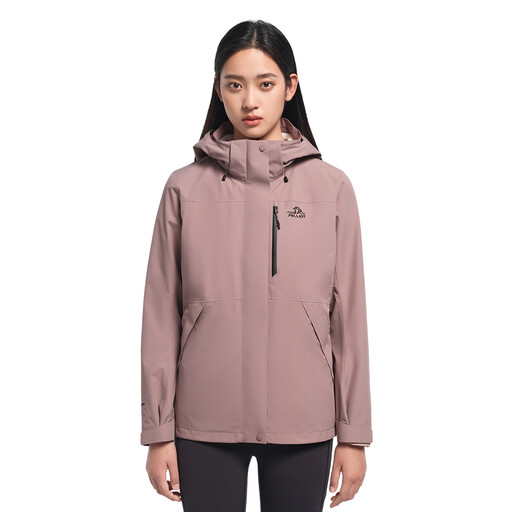
Why it suits this profile: The combination of an outer jacket and fleece lining is practical for camping, travelling and everyday commuting. According to the product description, the two layers can be worn separately or together.
The product information states a hydrostatic head rating of 35,900 mm H₂O and an MVTR of 16,000 g/m²/24 hours according to JIS, rather than making only a general claim about rain resistance.
3-in-1 wearing options, an adjustable hood and cuffs, plus a stated resistance of more than 40,000 abrasion cycles according to the product description.

Why it suits this profile: This The North Face jacket is designed for walking and changeable weather. The product description mentions DryVent fabric, fully sealed seams and a mesh lining.
The jacket is not merely described as waterproof: according to the product information, the seams are sealed and the hood, cuffs and hem are adjustable.
2-layer DryVent fabric, mesh lining, two zipped pockets and a design that can be re-treated for water repellency according to the manufacturer.
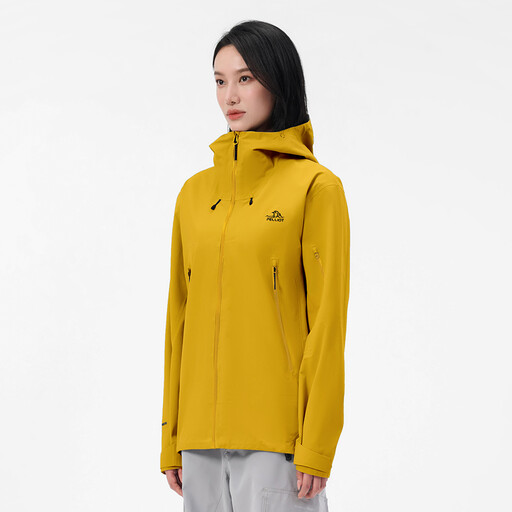
Why it suits this profile: This model is intended for intensive activities such as trekking, snow trips and mountain expeditions. The product description mentions longer underarm zips for ventilation and a RECCO reflector.
As well as water and wind resistance, the product description mentions ventilation zips and a hard-wearing outer material. This provides more information than a standalone “all-weather” claim.
Underarm ventilation, an adjustable fit, a zipped sleeve pocket and a bright colour for visibility on outdoor trails.
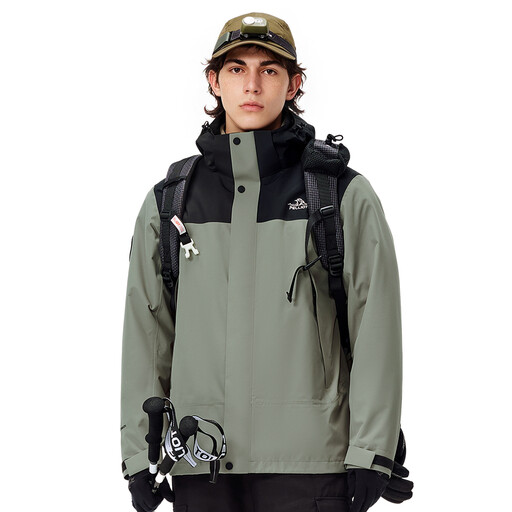
Why it suits this profile: The men’s 3-in-1 jacket is designed for changing temperatures during camping, trekking and commuting. The manufacturer describes three wearing options: shell, lining or both together.
The stated temperature ranges for each wearing option make it clearer when to use the outer layer, lining or both layers. However, this still depends on activity and personal preference.
Taped seams according to the product description, a thermal inner layer, an adjustable fit and an outer fabric described as scratch- and abrasion-resistant.
We have put together a complete, up-to-date list of products that fully meet these strict selection criteria and the applicable European safety regulations.
A waterproof outdoor jacket needs care too. Always follow the care label. Many technical jackets can be washed on a delicate cycle at a low temperature. Do not use bleach and avoid fabric softener, as these can affect the performance of technical materials.
Close all zips and fastenings before washing. Allow the jacket to dry according to the instructions and reapply a DWR treatment when water no longer beads on the surface. Also check the seams, cuffs and zips regularly for signs of wear.
Choose a jacket with a waterproof membrane, sealed seams, an adjustable hood and enough room for a mid-layer. For leisurely walks, a lightweight hardshell jacket may be sufficient. For colder days, a 3-in-1 jacket or fleece-lined jacket is more practical.
This depends on use, friction, washing and care. The water-repellent outer layer in particular may become less effective over time. A jacket may still have a waterproof membrane, while the outer material becomes wet more quickly. Follow the care instructions and check the current product information.
It can be, provided the jacket offers sufficient ventilation and is not too loose or heavy. Check the MVTR data where available, but also look at underarm zips, the mesh lining and the overall weight. During intense running, no jacket can move all moisture away instantly; layering and ventilation remain important.
