
Vandaag of morgen in huis

Kwaliteit gegarandeerd

Welkomstaanbiedingen ontgrendelen: GRATIS bezorging | Tot 80% korting | Gratis 30 dagen JoyPlus-proefperiode
Download de app
A waterproof outdoor jacket needs to cope with more than a brief drizzle in the Netherlands. On a walk, bike ride or camping weekend, you may encounter rain, wind, changing temperatures and sometimes intense activity. Even so, a prominent marketing term does not always tell you much about how practical a jacket really is.
The key question is therefore not just whether a jacket is described as waterproof, but also how its waterproofing was measured, how it wicks away perspiration and whether the fit leaves room for layers.
A jacket may be water-repellent thanks to a coating, but that is different from a construction featuring a waterproof membrane and sealed seams. So check whether the product description refers to seam-sealed or fully taped seams. Particularly in prolonged rain, seams, zips and pocket openings can be potential weak points.
A high hydrostatic head indicates the pressure the fabric can withstand. It does not automatically mean that the jacket will feel comfortable during a brisk walk. The jacket’s breathability, usually expressed as MVTR, is also relevant. A hardshell jacket without ventilation options can feel damp inside during an active outing.
A women’s outdoor jacket or unisex rain jacket that fits well only over a T-shirt may feel too tight in autumn or winter. Check the chest, shoulder and sleeve measurements, and decide in advance whether you want to wear a fleece or insulating mid-layer. With a looser fit, going up one size may be more practical, but always check the size chart for the specific model.
The hydrostatic head is usually shown in millimetres H₂O. A higher value indicates greater resistance to water pressure, for example in heavy rain or when a rucksack presses against the fabric. Only compare this value when the measurement methods are comparable. The product information for some models, for example, specifies a JIS measurement method.
According to its own product description, the PELLIOT fleece-lined 3-in-1 jacket has a hydrostatic head of 35,900 mm H₂O according to JIS. This is a product specification, not a guarantee that every part will remain completely dry in all conditions. Also pay attention to the seams, zips and care instructions.
The MVTR figure indicates how much water vapour the fabric can allow through under a particular test method, usually measured in grams per square metre per 24 hours. A higher figure can be beneficial during active walks, but the result also depends on temperature, humidity, clothing layers and ventilation zips.
According to its own product description, the same PELLIOT jacket has an MVTR of 16,000 g/m²/24 hours according to JIS. Treat this as a point of comparison between products rather than a fixed expectation for every wearer.
A practical windproof jacket needs more than a tightly woven outer fabric. Check whether the hood is adjustable, whether the cuffs and hem can be adjusted, and whether the zips offer protection from rain. For trekking and camping, abrasion resistance, pocket layout and freedom of movement are also important.
Water-repellent treatments can become less effective through washing and use. Always follow the care label, avoid fabric softener where advised against and dry the jacket according to the instructions. A well-maintained jacket will generally retain its properties better than one that is frequently washed incorrectly.
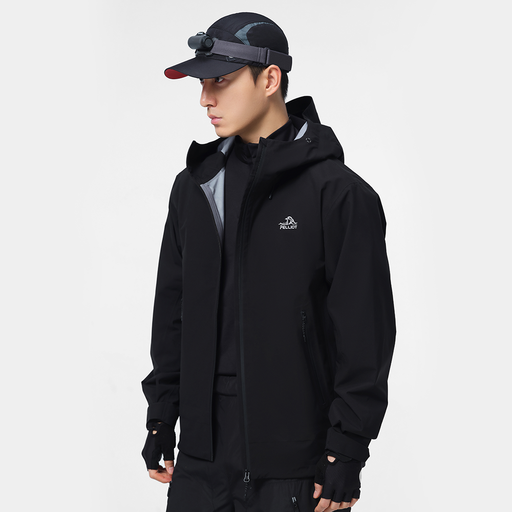
Why it suits this profile: This unisex rain jacket is aimed at anyone looking for a simple outer layer for rainy days, commuting and recreational use.
The product name and description focus on use around water and storage. Before buying, however, check the available size and whether the fit allows for layers.
Unisex design, black colour and a design offered as a waterproof outer layer according to the product information.

Why it suits this profile: A women’s outdoor jacket for walking and everyday use, with an emphasis on a recognisable brand design and practical details.
According to the product description, the jacket has fully sealed seams, an adjustable hood, elasticated cuffs and an adjustable hem.
2-layer DryVent material according to the product information, mesh lining, two zipped pockets and sizes from XS to 3XL.
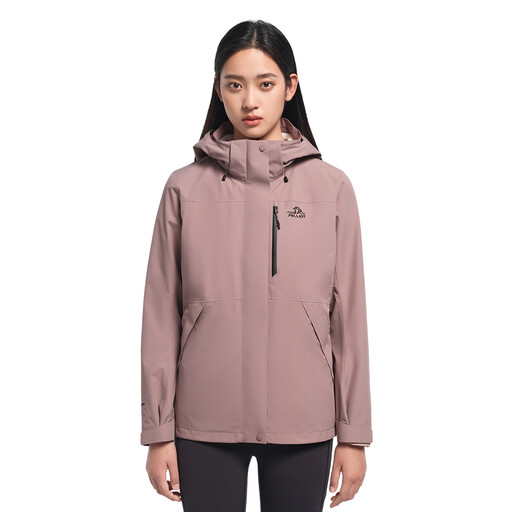
Why it suits this profile: This combination is designed for camping, trekking and commuting in changing temperatures.
According to the product description, the outer layer and lining can be worn separately or together. This means you do not need one thick jacket for every type of weather.
According to the product information: 35,900 mm H₂O, MVTR 16,000 g/m²/24 hours, a fleece lining and a 3-in-1 construction.
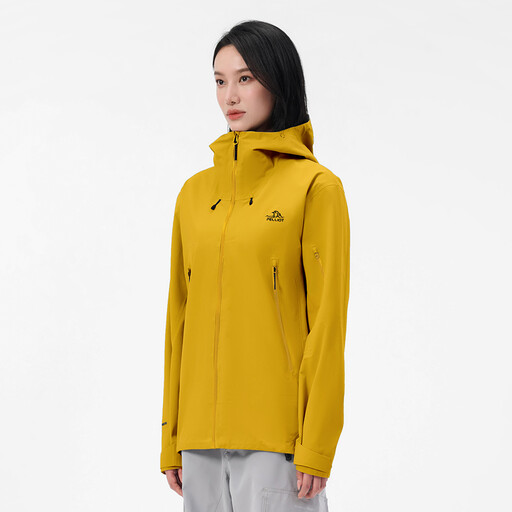
Why it suits this profile: This eye-catching unisex trekking jacket is aimed at travelling, camping and activities where ventilation and visibility can be practical.
According to the product description, the model has longer ventilation zips under the arms. This provides an additional way to regulate your temperature alongside the breathable material.
The description mentions a zipped chest pocket, a RECCO reflector and a size chart based on height and weight.
We have put together a complete, up-to-date list of products that fully meet these strict selection criteria and the applicable European safety regulations.
When choosing a waterproof women’s jacket, pay attention to the chest and hip measurements, not just the letter size. A unisex model may fit differently around the shoulders and waist. The product page and size chart provide the verifiable information you need to make a well-informed choice.
This depends on the material, seams, use and care. A water-repellent outer treatment may become less effective over time. Wash the jacket according to the label, close the zips before washing and avoid products that could damage the coating.
A breathable outdoor jacket can allow water vapour to escape while also protecting you from rain, but performance varies according to the material and measurement method. Check the hydrostatic head, MVTR, seams and ventilation options. Additional ventilation may be needed during strenuous activity.
A hardshell jacket is generally a protective outer layer against rain and wind. A 3-in-1 jacket usually consists of an outer layer and a removable inner layer that can be worn separately or together. The former is often flexible as a protective layer, while the latter can be more convenient if you are looking for one system for several seasons.
