
Vandaag of morgen in huis

Kwaliteit gegarandeerd

Welkomstaanbiedingen ontgrendelen: GRATIS bezorging | Tot 80% korting | Gratis 30 dagen JoyPlus-proefperiode
Download de app
A waterproof outdoor jacket may seem straightforward to choose at first glance. However, marketing terms, unclear size charts and limited product information can result in buying a jacket that disappoints in practice. Especially in the Netherlands, where rain and wind can change quickly, verifiable specifications are more important than an attractive product photo.
Whether you are walking, cycling to work, camping or looking for a trekking jacket, pay particular attention to the following pitfalls and features.
A product may be described as waterproof or storm-proof, but this alone does not indicate how much rain the jacket can withstand. Check whether the product page provides information about, for example:
If this information is missing, you cannot compare the jacket with other models based on a single marketing term. The PELLIOT jackets below mention waterproofing, wind resistance and breathability in their product descriptions. This information comes from the brand’s description and should not be interpreted as an independent performance test.
A fully sealed waterproof rain jacket can feel hot and clammy during a strenuous walk. Therefore, look for a breathable outdoor jacket with ventilation options, a mesh lining or a technical membrane.
Underarm zips, adjustable cuffs and a drawcord hood can also improve comfort. However, check that these features are actually listed on the product page. A jacket is not automatically breathable simply because the fabric feels thin.
An outdoor jacket is often worn over a fleece, jumper or insulating mid-layer. A jacket that is too tight restricts freedom of movement and can compress the layer underneath. A jacket that is too loose may be cumbersome when cycling or walking.
Measure your chest and compare it with the size chart. Also check the back length, shoulder width and sleeve length. For some PELLIOT models, the product information recommends choosing one size larger if you want to wear thick mid-layers.
For a jacket designed for heavy rain, it is not only the outer fabric that matters, but also the seams and fastenings. A laminated or coated outer layer can keep rain out, while unsealed seams may still allow moisture through.
Look for the following in the specifications:
The PELLIOT Waterproof Jacket is described as having a waterproof outer layer, wind-resistant construction and a mesh or technical textile lining. The stated product specifications do not provide a hydrostatic head rating or EN 343 classification. If you are looking for a jacket for prolonged exposure to rain, it is therefore sensible to check this information before buying.
A windproof jacket is useful in exposed polders, dunes and along cycle routes. Look for an adjustable hem, close-fitting cuffs and a hood that will not easily blow off. For walking and trekking, shoulder room and sleeve length are also important, allowing your arms to move freely while wearing rucksack straps.
A hardshell jacket generally has a protective outer layer and is designed to be worn as the outermost layer. Most of the warmth then comes from your fleece or insulating layer underneath. This makes a hardshell versatile for different seasons.
The product information for the PELLIOT hardshell models mentions a nylon or polyester blend with waterproof lamination and a hard-wearing outer fabric. According to the brand’s own product description, the fabric is intended for use on more rugged terrain with branches and rocks. This is a brand claim; for intensive use, also check the warranty conditions and customer experiences.
Care affects the product’s lifespan:
A model made with recycled material may be an appealing choice as part of a more sustainable outdoor wardrobe. For some PELLIOT models, the product description states that the outer fabric contains recycled material. Check the exact composition for each variant; “sustainable” is not a fixed quality classification.
The selection below is based on the available product descriptions, materials, size options and stated use cases. The colours and sizes refer to the specific product pages.
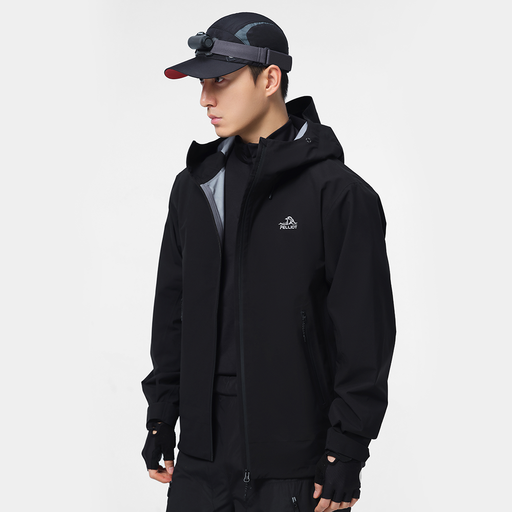
Why it suits this profile: This unisex model is designed for everyday use, water sports and light outdoor activities. The black colour is practical for commuting and walks.
The description mentions waterproofing, wind resistance and breathable mesh. Before buying, however, check the missing hydrostatic head rating and seam information.
Unisex fit, hardshell construction and sizes from XS to XXL according to the product information.
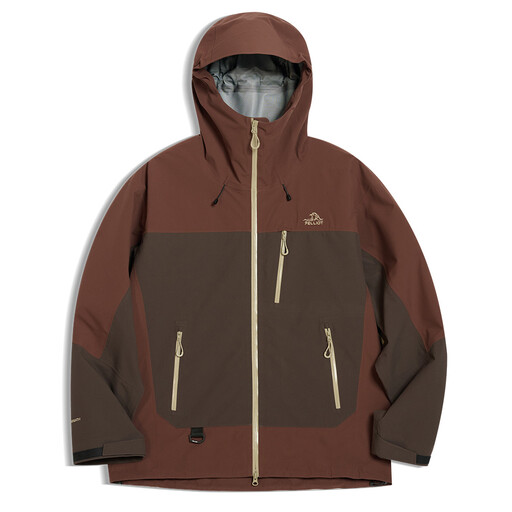
Why it suits this profile: According to the product description, this jacket is designed for camping, travel, commuting and trekking. The brown colour gives it a less technical look for everyday wear.
The description mentions a waterproof, windproof and hard-wearing outer layer. As no independent measurements are provided, it remains important to check the technical details.
Size advice based on body measurements and height/weight; suitable for wearing with layers.
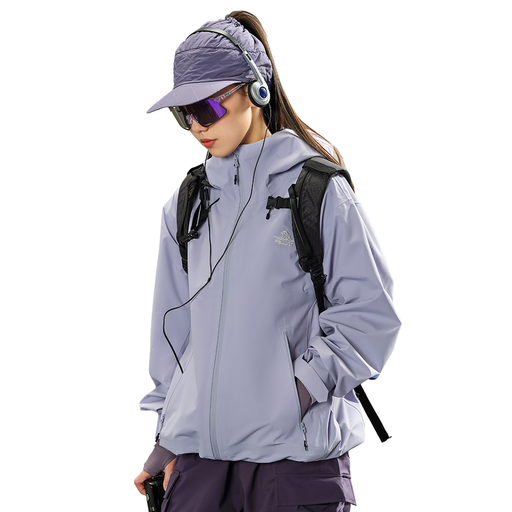
Why it suits this profile: According to the brand’s own product description, this model is designed for intensive activity, mountain trekking and more rugged terrain. The purple colour is highly visible outdoors.
The product description mentions breathable mesh or technical textile and hard-wearing fabric. The stated performance claims come from the brand, so check the exact construction for each variant.
Waterproof lamination, breathable lining and a choice of sizes from XS to XXL; according to the description, the outer fabric contains recycled material.
We have put together a complete, up-to-date list of products that fully meet these strict selection criteria and the applicable European safety regulations.
Yes, a hardshell jacket can be suitable for cycling, walking and commuting when you need protection from rain and wind. For extra warmth, wear a fleece or jumper underneath. A hardshell is usually less warm than a padded winter coat.
Its lifespan depends on use, friction, washing and care. Frequent contact with rucksack straps can put strain on the outer fabric. Wash the jacket according to the care label and do not use fabric softener. Over time, check whether water still beads off the fabric and whether the zips and seams remain intact.
The price varies depending on the material, membrane, seams, hood and technical finish. Do not compare the price alone; also consider the availability of performance measurements, sizing information, care instructions and warranty. A cheaper model may be suitable for everyday use, while intensive users may place greater value on durability and ventilation.
