
Vandaag of morgen in huis

Kwaliteit gegarandeerd

Welkomstaanbiedingen ontgrendelen: GRATIS bezorging | Tot 80% korting | Gratis 30 dagen JoyPlus-proefperiode
Download de app
A waterproof outdoor jacket may seem straightforward to choose at first glance. However, jackets vary considerably in protection, warmth, breathability and fit. A lightweight rain jacket may be perfectly suitable for a short cycle ride, but less so for a long walk with a rucksack. A padded winter jacket retains warmth, but may become too hot during exercise.
As a Joybuy Product Recommendation Officer, I therefore start by looking at verifiable product specifications, and only then consider the brand, colour or price. This helps you avoid paying for a jacket that is not suited to how you intend to use it.
A Durable Water-Repellent finish, often referred to as DWR, helps water droplets roll off the outer fabric. This does not automatically mean that the jacket will keep out prolonged rain. Check whether the product description refers to a waterproof membrane, taped seams or a specific hydrostatic head rating.
A thick fleece-lined jacket or winter coat can be comfortable when standing still, but excess heat can build up during trekking or cycling. Also consider breathability, ventilation zips and the option to wear layers separately.
Outdoor jackets do not all fit the same way. A jacket designed for layering should offer a little extra room around the chest and shoulders. A walking jacket for everyday use may have a closer fit. Always compare your body measurements with the size guide and check the sleeve and back lengths.
Waterproofing is sometimes shown as a hydrostatic head rating in millimetres H₂O. A higher value indicates greater resistance to water pressure in a laboratory test, but real-world performance also depends on the seams, zips, hood and wear.
Look out for these features:
Breathability is often indicated by MVTR, for example in grams per square metre per 24 hours. This figure describes how much water vapour can pass through the fabric under a particular testing method. It does not guarantee that you will stay dry during every activity: clothing layers, temperature, pace and humidity also play a part.
For commuting and gentle walks, a basic rain jacket may be sufficient. For trekking, camping or strenuous activity, ventilation zips, a breathable membrane and an effective layering system become more important.
A windproof jacket with adjustable cuffs, hem and hood helps to keep draughts out. On cold days, a fleece or down mid-layer can be useful. A 3-in-1 jacket offers more ways to combine layers: wear the outer layer, inner layer or both together.
Do bear the stated temperature ranges in mind. These depend on the product description and the wearer’s activity level. Treat them as a guide rather than a fixed guarantee.
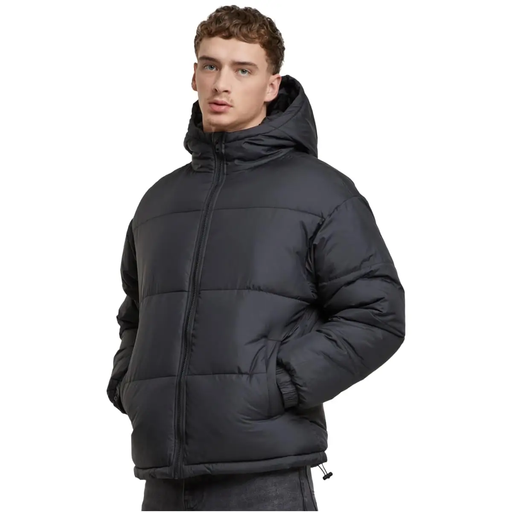
Why it suits this profile: This padded jacket is designed for everyday use and cold days in the city. The hood and polyester filling provide a practical base without focusing on technical outdoor features.
The product information clearly states the materials, filling and sizing. However, check whether you need a technical waterproof jacket for prolonged rain.
100% polyamide outer material, 100% polyester filling and a hood, according to the product description.
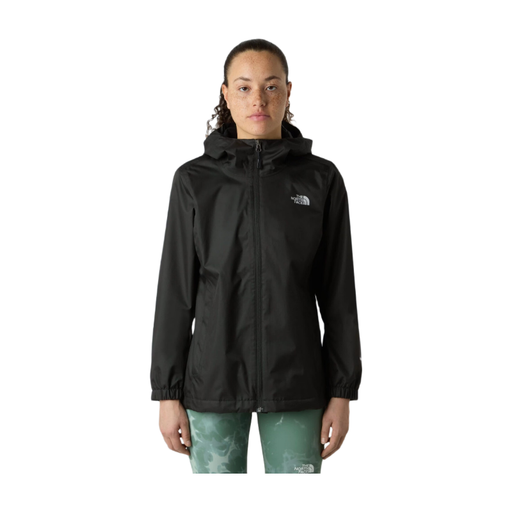
Why it suits this profile: According to the product description, this women's outdoor jacket is designed for walking and changeable weather conditions. The shell focuses on rain and wind protection without a fixed winter lining.
The description mentions fully sealed seams, DryVent fabric, a mesh lining and a DWR finish. This makes the jacket easier to assess than a model described only as “water-repellent”.
Adjustable hood, elasticated cuffs, adjustable hem and two zipped pockets.
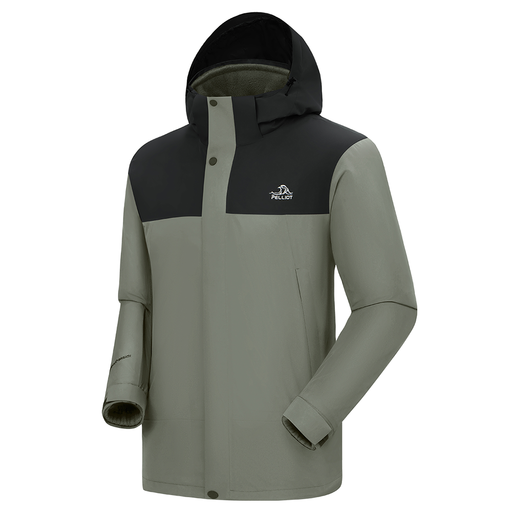
Why it suits this profile: According to the product description, this men's outdoor jacket is designed for camping, trekking and commuting. Its 3-in-1 construction allows for different combinations.
The product description mentions a microporous membrane, seam taping and a scratch-resistant outer layer. This means the key features for rain and outdoor terrain are clearly specified.
Shell, lining or combination; adjustable fit; thermal inner layer according to the product specifications.

Why it suits this profile: This 3-in-1 jacket is suitable for anyone who wants to combine multiple layers while travelling or enjoying outdoor activities. According to the product description, the system consists of a protective outer layer and a down inner jacket.
The layers can be worn separately. This means you do not always have to travel in a heavy winter coat when only the shell or inner layer is needed.
Adjustable hood, taped seams, underarm zips and an inner layer with 550-fill-power down, according to the product information.
When wearing layers underneath, choose enough room around the chest, shoulders and arms. Check that the cuffs fit over your gloves and that the hood does not slip over your eyes. For a walking jacket or trekking jacket, zipped pockets and an adjustable hem are practical features; for commuting, an inside pocket and lightweight construction may be more important.
Follow the care label carefully. Close all zips, use a mild detergent and avoid bleach. Some waterproof jackets should not be tumble-dried. According to the product instructions, a DWR finish can sometimes be reactivated using low heat, but only do this if permitted by the label.
We have put together a complete, up-to-date list of products that fully meet these strict selection criteria and the applicable European safety regulations.
No. Waterproofing and breathability are different properties. Look for a stated MVTR rating, ventilation zips and a lining that does not unnecessarily restrict airflow or moisture transfer.
This depends on use, friction, washing and care. The DWR finish and seams in particular may become less effective over time. Wash the jacket according to the label and only re-treat the outer fabric with a suitable product.
For short walks, a lightweight waterproof shell may be sufficient. For longer outings, an adjustable hood, sealed seams, enough freedom of movement and breathability are important. In cold weather, you can wear a fleece or insulating layer underneath.
