
Vandaag of morgen in huis

Kwaliteit gegarandeerd

Welkomstaanbiedingen ontgrendelen: GRATIS bezorging | Tot 80% korting | Gratis 30 dagen JoyPlus-proefperiode
Download de app
A waterproof outdoor jacket may seem simple at first glance: choose a jacket with a waterproof outer layer and you’re all set. In practice, it’s mainly the seams, ventilation and fit that make the difference between a jacket that remains comfortable during a walk and one that spends most of its time in the wardrobe.
In the Netherlands, you often have to deal with drizzle, heavy showers, wind and changing temperatures all on the same day. If you only look at terms such as “storm-proof”, “all-weather” or “breathable”, you could therefore end up making the wrong purchase. Below, we outline the most important points to check, along with some product choices for different situations.
A durable water-repellent treatment on the outside helps raindrops roll off the fabric. That does not automatically mean the jacket will keep out prolonged rain completely. Check whether the product description provides information about:
A hardshell jacket is generally designed to protect against rain and wind. A standard windproof jacket with a fleece lining can be comfortable on cold, dry days, but it is not always intended for prolonged rainfall.
Breathability means that moisture can be transported through the fabric. During intensive walking, cycling or trekking, however, heat management also depends on ventilation zips, the fit and the layers worn underneath. A waterproof walking jacket that is worn too tightly can feel stuffy, even when the fabric has a good MVTR rating.
When choosing a breathable outdoor jacket, look for underarm ventilation zips, adjustable cuffs and enough room for a fleece or thin insulating layer.
A jacket that fits well over a T-shirt may become too tight when worn with a fleece or thermal layer while camping or skiing. Don’t just look at S, M, L or XL. Compare the chest, shoulder, sleeve and jacket measurements with a jacket you already wear.
For example, PELLIOT hardshell jackets include a size chart with measurements and a combination of height and weight. This is a useful initial guide, but always check that the selected size provides enough freedom of movement and suits the layers you plan to wear.
A hydrostatic head rating indicates how much water pressure a material can withstand according to a particular test method. The result is not a guarantee for every real-world situation: wear and tear, pressure from a rucksack and poorly closed zips can all affect protection.
The PELLIOT fleece-lined 3-in-1 jacket states a hydrostatic head of 35.900 mm H₂O according to JIS. The product description also mentions sealed seams. These are verifiable product specifications from the listing; actual protection also depends on use and care.
The MVTR rating indicates how much water vapour the fabric can allow through over 24 hours according to the test. For the same jacket, a breathability rating of 16.000 g/m²/24 hours according to JIS is stated. Use figures like this mainly to compare models with one another, rather than as a promise that you will remain completely dry during strenuous activity.
A jacket with longer underarm zips can be more practical for intensive trekking than a model without additional ventilation. For everyday commuting, a simple construction is often sufficient, provided the hood, zip and cuffs fit properly.
For rocky terrain, woodland paths and carrying a heavy rucksack, material strength and abrasion resistance are important. The PELLIOT 3-in-1 jacket mentioned above states more than 40.000 abrasion cycles. According to the product description, the jacket is designed for use as an outer layer, inner lining or combined system.
A 3-in-1 jacket can be practical if you want one system for several seasons. A fleece-lined jacket provides immediate warmth, while a separate hardshell offers greater flexibility in milder weather. For skiing, you should also consider freedom of movement, cuffs, pockets and any safety features. A camping jacket does not need to have the same construction as a technical trekking jacket.
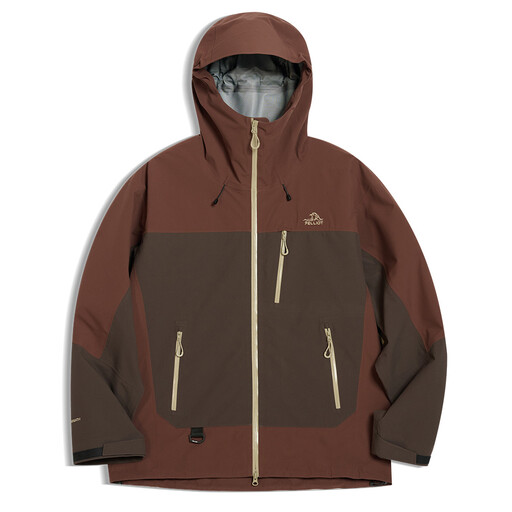
Why it suits this profile: This unisex hardshell is designed for walking, travelling, camping and everyday use. The product description states that it protects against rain, wind and abrasion.
The listing specifies waterproofing, breathability and an abrasion-resistant outer fabric, rather than making only a general raincoat claim.
Unisex design; size chart with chest, shoulder and sleeve measurements; suitable for layering.

Why it suits this profile: According to the product description, this Triclimate system combines a protective outer layer with a down inner jacket for changing conditions.
The layers can be worn separately or together. This means you don’t need to use one heavily insulated jacket for every type of weather.
3-in-1 construction; taped outer hems and underarm zips; inner jacket with 550 fill power down according to the product listing.
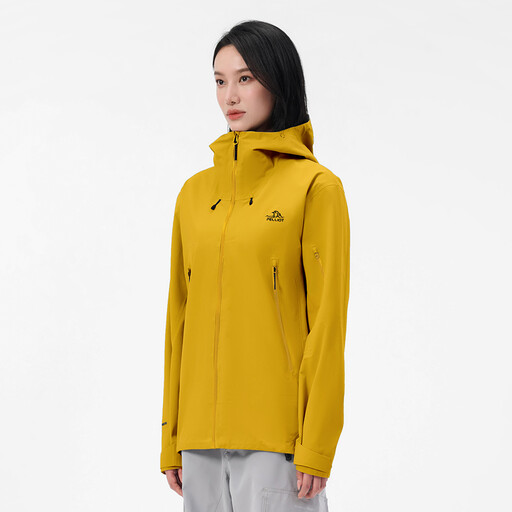
Why it suits this profile: The product description mentions extended underarm ventilation, a RECCO reflector and a sleeve pocket. This makes it suitable for trekking, snow activities and intensive outdoor use.
Ventilation zips help during exertion, while the adjustable features allow you to adapt the jacket for layering. However, always check the current product specifications.
Lighter, elasticated fabric according to the product description; underarm ventilation; RECCO reflector for search teams in mountainous areas.
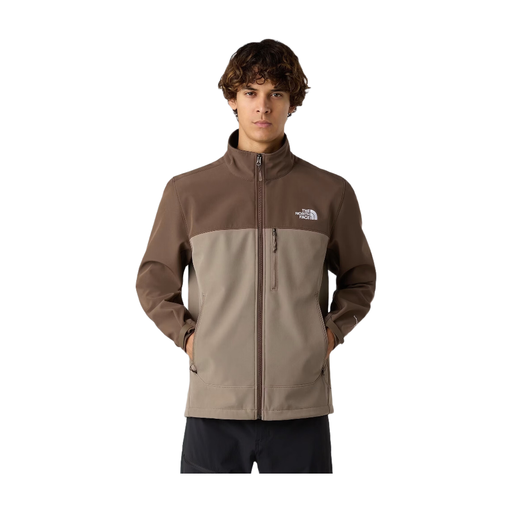
Why it suits this profile: According to the product description, this jacket is windproof and features a soft fleece backing. It is suitable for commuting and everyday outdoor activities in spring.
The listing makes it clear that this is primarily a windproof jacket with a fleece lining. So don’t expect the same level of rain protection as you would get from a technical hardshell.
93% polyester and 7% elastane according to the product information; fleece backing; adjustable cuffs and hem drawcord.
We’ve put together a complete, up-to-date list of products that fully meet these strict selection criteria and the applicable European safety regulations.
Wash the jacket according to the label and close all zips and hook-and-loop fastenings before washing. Do not use bleach and avoid tumble-drying if the product instructions advise against it. Proper care can help keep the fabric’s properties working effectively for longer, but it cannot replace damaged seams or a worn coating.
Its lifespan depends on use, friction from rucksack straps, washing and care. Regularly check the seams, zips and outer layer. When water no longer beads off the fabric, you may need to apply a suitable treatment in accordance with the care label. Damage to the membrane or seams will usually require repair or replacement.
A hardshell jacket mainly protects against rain and wind and is usually not a complete insulating layer. In cold weather, wear a fleece, down jacket or another mid-layer. A 3-in-1 jacket combines these functions in one system, but it may be warmer and heavier than a separate shell.
With normal care, costs are limited to washing with a mild detergent and, if necessary, using a suitable waterproofing product. Always follow the care label. Professional reproofing or repairs may involve additional costs. So don’t compare only the purchase price; also consider the care instructions and how often you expect to use the jacket.
