
Vandaag of morgen in huis

Kwaliteit gegarandeerd

Welkomstaanbiedingen ontgrendelen: GRATIS bezorging | Tot 80% korting | Gratis 30 dagen JoyPlus-proefperiode
Download de app
A good waterproof outdoor jacket needs to do more than simply repel rain. In the Netherlands, you can encounter drizzle, strong winds and a sudden shower all during one walk. Whether you are looking for a jacket for walking, commuting, camping or winter sports, fit, ventilation and layering are just as important as the word “waterproof” on the product page.
A fully sealed jacket can keep rain out effectively, but without sufficient ventilation, perspiration remains trapped inside. This can quickly make a jacket feel clammy, especially when cycling, trekking or walking uphill. As well as waterproofing, look for breathability, ventilation zips and a mesh lining.
Please note: breathability values such as MVTR are technical measurements. According to a brand’s own research or product information, these figures provide an indication under specific test conditions. They do not guarantee that everyone will experience the jacket as equally dry in every situation.
A DWR finish helps raindrops roll off the material. This is different from a waterproof membrane or laminated hardshell. Seams, zips and the hood also determine how much protection you actually receive. When looking for an outdoor rain jacket, therefore, look for terms such as taped seams, an adjustable hem and water-resistant zips.
A hardshell jacket is often worn over a fleece or insulating layer. If you buy the jacket to exactly match your body measurements, the shoulders and arms may feel restrictive when you add extra clothing. Check the size guide for the specific model and leave enough room for the layer you usually wear.
Hydrostatic head is expressed in millimetres of water pressure. A higher value indicates greater resistance to water pressure during rain or when a rucksack presses against the fabric. However, the value does not tell the whole story: poorly finished seams or an open zip can still let moisture through.
A model such as the PELLIOT fleece-lined jacket states, according to the product description, a hydrostatic head of 35.900 mm H₂O according to JIS. The PELLIOT hardshell models do not specify an exact hydrostatic head, but they do describe a stormproof waterproof fabric. When buying, always check which information actually applies to the model and size you have selected.
Breathability is often shown as g/m²/24 hours. A higher MVTR value means that, under the test method used, the material can allow more water vapour to pass through. For relaxed everyday use, a simple waterproof jacket may be sufficient. For trekking, skiing or intensive walking, underarm ventilation zips and a breathable lining are useful additions.
According to the product description, the PELLIOT 3-in-1 models state an MVTR of 16.000 g/m²/24 hours. This is a verifiable product specification, but your experience also depends on exertion, outdoor temperature, base layers and choosing the correct size.
A practical windproof jacket should ideally have:
Wash a technical jacket according to the care label. Close all zips and hook-and-loop fastenings, do not use bleach and avoid fabric softener if the manufacturer advises against it. A DWR finish may become less effective over time. For some products, the brand recommends a suitable reproofing treatment; always follow the care label.
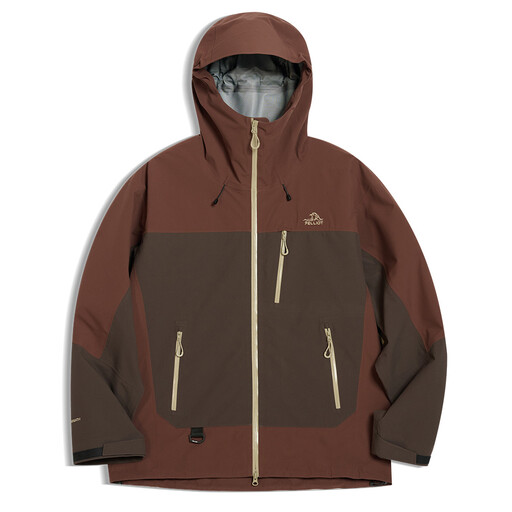
Why it suits this profile: This unisex hardshell is designed for everyday use, walking, travelling and camping. The shell construction leaves room for a fleece or thin insulating layer.
The product description mentions waterproof, breathable, windproof and abrasion-resistant fabric. Before buying, however, check the current size guide and seam construction.
According to the product information, it is suitable for rainy days and changing terrain, with a colour-block design and unisex fit.
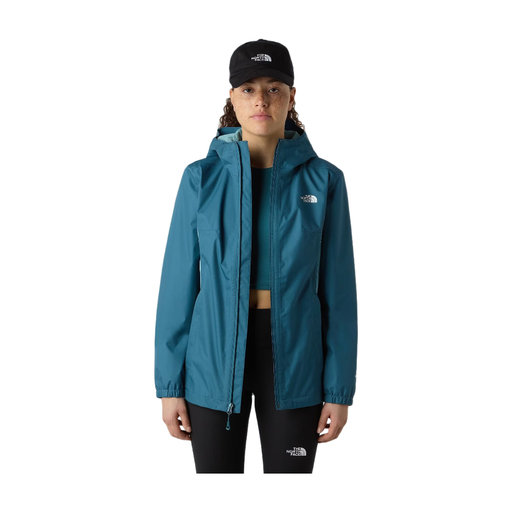
Why it suits this profile: A technical women's outdoor jacket for walking and demanding conditions where an adjustable hood, zipped pockets and room for layers are important.
According to the product description, the jacket features DryVent material with waterproof, windproof and breathable properties. The fit should still be checked against the size guide.
Zip-in-compatible design, adjustable hood, elasticated cuffs and zipped side pockets according to the product details.
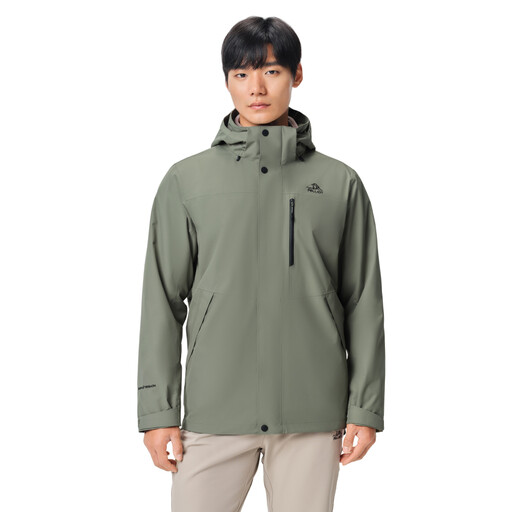
Why it suits this profile: For camping, trekking, cold commutes and winter sports when you want to use a fleece-lined jacket or flexible 3-in-1 jacket.
The combination of an outer layer and removable inner layer means you do not need a separate jacket for every season. The stated values still come from the product description.
According to the product details: 35.900 mm hydrostatic head, 16.000 g/m²/24 hours MVTR and more than 40.000 stated abrasion cycles.
We have put together a complete, up-to-date list of products that fully meet these strict selection criteria and the applicable European safety regulations.
This depends on use, friction, care and the quality of the seams and coating. A jacket worn daily under a heavy rucksack will wear differently from one used for occasional walks. Wash it according to the care label and treat the outer layer only with products suitable for the material.
A hardshell jacket mainly protects against rain and wind and often contains little insulation. In cold weather, wear a fleece or synthetic mid-layer underneath. A 3-in-1 jacket with a removable lining offers more flexibility, but may be warmer and heavier than a separate shell.
The price depends on the material, hydrostatic head, breathability, seam finishing, lining and brand. Do not compare the price alone; consider the features you will actually use. A simple waterproof jacket may be sufficient for everyday use, while ventilation, freedom of movement and layering are more important for trekking or skiing.
