
Vandaag of morgen in huis

Kwaliteit gegarandeerd

Welkomstaanbiedingen ontgrendelen: GRATIS bezorging | Tot 80% korting | Gratis 30 dagen JoyPlus-proefperiode
Download de app
A waterproof outdoor jacket needs to do more in the Netherlands than simply keep out a brief shower. During a walk, the wind can pick up; when you’re cycling, rain can come at you from the side; and on a trek or camping trip, your body temperature can rise quickly. A jacket that is only water-repellent may then fall short.
So don’t just focus on colour, brand or an appealing product photo. The key differences are often found in the seams, membrane, fit and the way you intend to use the jacket.
A water-repellent outer layer initially makes raindrops roll off the fabric. That does not automatically mean the jacket can cope with prolonged rain. Check whether the product information refers to a waterproof membrane, a hardshell construction and sealed seams.
With a jacket featuring a DWR finish, such as the Quest Jacket from The North Face described here, the outer fabric can make water bead up more quickly. According to the product description, this treatment may need to be reapplied over time to help maintain its water-repellent performance. That is different from a permanent guarantee of waterproofness.
Keeping water out while wicking moisture away from the inside requires a breathable construction. This is less critical for a gentle commute than for a strenuous walk or climbing trip. For intensive use, look for terms such as breathable membrane, mesh lining and ventilation options.
Bear in mind, however, that “high breathability” is a claim from the brand’s product information. Your actual experience will also depend on exertion, temperature, base layers and humidity.
A jacket that is too tight can pull across the shoulders and restrict your freedom of movement. One that is too loose can let wind in and may be awkward on a bike. Measure your chest and compare it with the size chart for the specific model. With a trekking jacket, allow room for a fleece or insulating mid-layer.
For example, PELLIOT hardshells list chest, shoulder and sleeve measurements in centimetres. The product description recommends considering one size larger if you want to wear thick mid-layers.
A waterproof jacket is only practical in the rain when its weak points have also been considered. Check whether the seams are taped or fully sealed. A zip with a water-resistant construction, adjustable cuffs and a drawcord at the hem help keep out wind and rain.
According to the product description, The North Face Quest Jacket comes with fully sealed seams, an adjustable hood, elasticated cuffs and an adjustable hem. This makes this type of rain jacket suitable for walking as well as changeable weather in the city.
A hardshell jacket is designed to be a protective outer layer. The fabric generally consists of several layers with a waterproof or water-vapour-permeable membrane. Don’t just look for words such as “stormproof” or “all-weather”; check which construction is actually specified.
The PELLIOT 3-in-1 jacket is described as featuring a microporous STORMS BREATH membrane and taped seams. According to PELLIOT’s own information, the jacket is designed to keep out rain and wind while allowing moisture to escape. However, the product page does not list any independent waterproof rating or breathability measurement. Therefore, compare the stated construction and features in particular.
A lightweight waterproof outdoor jacket generally protects against rain and wind, but does not automatically provide much warmth. For spring, summer and active walks, a shell can be sufficient when combined with a base layer. In colder conditions, you will need a fleece or insulating layer.
A 3-in-1 outdoor jacket combines an outer layer with a removable inner jacket. This is useful if you want one system for commuting, camping and walking in different temperatures. Check whether both layers can be worn separately and whether the fit remains comfortable when they are worn together.
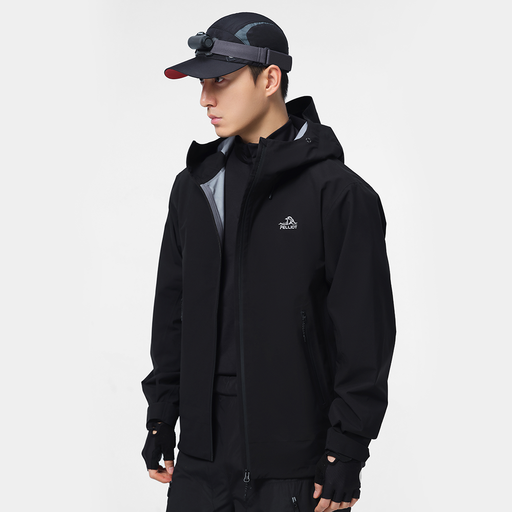
Why it suits this profile: This black unisex rain jacket is designed as a versatile hardshell for everyday use, travelling and light trekking. The size chart lists a chest measurement of 112 cm for size S.
The product description mentions a waterproof, wind-resistant outer layer and hard-wearing fabric. Before buying, however, check the exact size and the product details available.
Unisex fit, black colour, hardshell construction and a moisture-managing mesh or technical lining as specified.

Why it suits this profile: This women’s outdoor jacket is designed for walking and everyday use. The DryVent fabric, mesh lining and adjustable hood described make it suitable for changeable weather conditions.
The product information mentions fully sealed seams, so you don’t have to focus only on the outer fabric. According to the description, the DWR finish may need to be reapplied.
100% polyester outer layer, mesh lining, adjustable cuffs and zipped pockets. Available in several sizes.
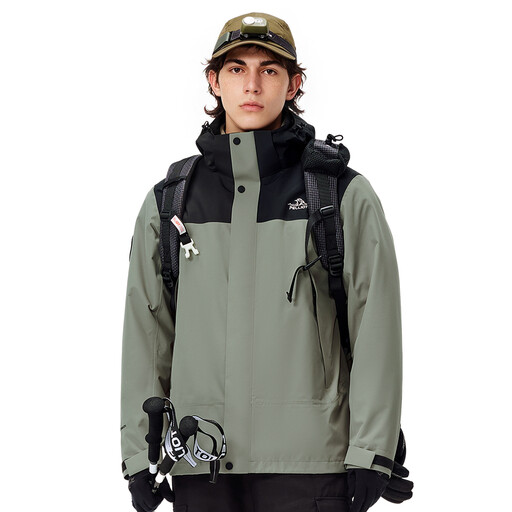
Why it suits this profile: The 3-in-1 design is suitable for camping, trekking and commuting, where temperatures can vary significantly.
According to the product description, the outer layer and lining can be worn separately or together. This means you do not need a separate jacket for every season.
Microporous membrane, taped seams, removable thermal lining and hard-wearing outer fabric according to the product information.
We’ve compiled a complete, up-to-date list of products that fully meet these strict selection criteria and the applicable European safety regulations.
A waterproof outdoor jacket remains useful when you follow the care instructions. Do not routinely wash a hardshell with fabric softener; this can affect the performance of the finish. Close the zips before washing, use a gentle cycle and dry the jacket according to the care label. Avoid high heat when recommended by the manufacturer.
Also check the hood, cuffs, hem and zips regularly. Damaged outer fabric or peeling tape can reduce protection. A black jacket is practical for everyday use, but wear and dirt are not always immediately visible on it.
It can be, provided the jacket offers enough freedom of movement and a breathable construction. Also check the ventilation options and wear a moisture-wicking base layer. During strenuous activity, even a breathable outdoor jacket can feel warm.
Its lifespan depends on use, friction, washing and storage. A jacket used for daily cycling wears differently from a trekking jacket that rubs against rocks and branches. Clean the jacket according to the label and only reproof a DWR finish when recommended by the manufacturer.
Choose a hardshell when protection from rain and wind is your priority and you want to combine your own layers. A winter jacket with insulation is better suited to standing or sitting still in cold weather. A 3-in-1 outdoor jacket is practical when you want one system for different temperatures and activities.
