
Vandaag of morgen in huis

Kwaliteit gegarandeerd

Welkomstaanbiedingen ontgrendelen: GRATIS bezorging | Tot 80% korting | Gratis 30 dagen JoyPlus-proefperiode
Download de app
A good waterproof outdoor jacket needs to do more than keep the rain out. During a walk in the Ardennes, a cycle ride through a Dutch downpour or a trek in the mountains, you may encounter wind, perspiration, rubbing backpack straps and rapidly changing temperatures. A jacket that looks convincing in the product photos alone may disappoint in practice.
As a Joybuy Product Recommendation Officer, I therefore focus on verifiable product specifications and practical use. These points will help you assess marketing claims more effectively and choose a jacket suited to your activities.
Waterproofing does not automatically tell you anything about the overall finish. Also check whether the jacket has an adjustable hood, secure cuffs and a hem that can be closed properly. Seams, zips and pocket openings can be potential weak points if they have not been finished effectively.
A hardshell jacket is generally intended as a protective outer layer. That may be sufficient for everyday commuting, but winter camping often requires an additional insulating layer.
A fully sealed jacket can keep the rain out, but strenuous walking creates heat and moisture on the inside. Look for stated breathability, preferably with a measurement such as MVTR. Also check for ventilation zips under the arms.
A breathable rain jacket is not a guarantee against feeling clammy: your pace, humidity, clothing layers and fit also play a part.
A waterproof walking jacket should allow plenty of freedom of movement. A model that is too tight restricts the shoulders and makes it difficult to wear a fleece or thermal layer underneath. A jacket that is too loose may let wind in and feel uncomfortable.
Measure your chest and compare it with the product’s size chart. Also check the sleeve and jacket lengths. Sizes from different brands are not directly comparable.
The hydrostatic head, expressed in millimetres or mm H₂O, indicates how much water pressure a material can withstand according to a particular test. A higher value suggests greater resistance to water pressure, but it does not tell you everything about the seams, zips or resistance to wear.
According to the product specifications, the PELLIOT fleece-lined 3-in-1 jacket has a hydrostatic head of 35.900 mm H₂O according to JIS. This value comes from the product information and should be considered alongside the jacket’s construction and care requirements.
MVTR stands for Moisture Vapour Transmission Rate. The value indicates how much water vapour a material can allow through over 24 hours, usually expressed in g/m²/24 hours. A higher stated value may be of interest for trekking, mountain walking and cycling, but test methods should not be compared without taking their differences into account.
The PELLIOT 3-in-1 jacket mentioned above states 16.000 g/m²/24 hours according to JIS. The PELLIOT Rock Shell models are described as breathable and feature longer ventilation zips under the arms. According to the product description, these zips are designed to improve air circulation during physical activity.
For a trekking jacket or camping jacket, a robust outer fabric, adjustable hood and good freedom of movement are practical features. If you walk with a backpack, it is worth paying attention to the shoulder construction and hard-wearing materials.
According to the product specifications, the PELLIOT fleece-lined version states 40.000+ abrasion cycles. The hardshell models are described as having a water-repellent laminate construction and an outer fabric designed to withstand contact with branches and rocks. This information comes from the manufacturer’s product descriptions; the actual lifespan depends on use and care.
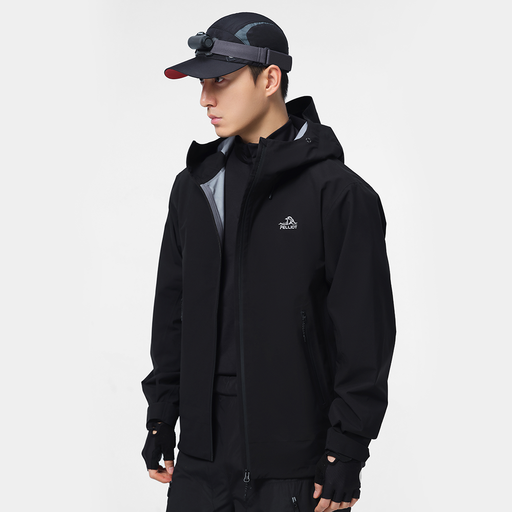
Why it suits this profile: This unisex hardshell is suitable for short walks, commuting and recreational outdoor use. The black colour pairs easily with everyday clothing.
The product information mentions a waterproof laminate layer, wind-resistant outer fabric and breathable mesh lining. Do check the fit if you want to wear a thick mid-layer underneath.
Unisex design, sizes XS to XXL and a lightweight design with mesh lining, according to the product description.
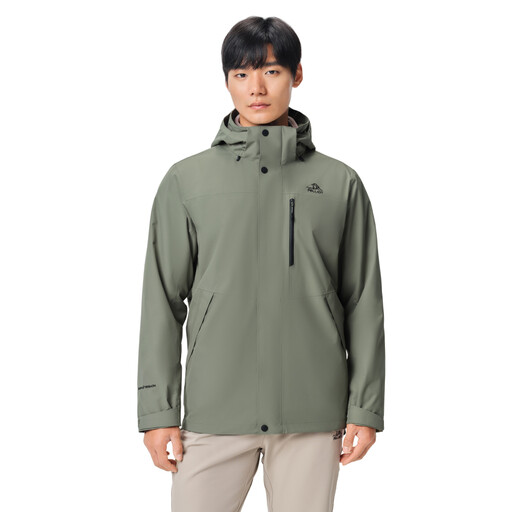
Why it suits this profile: The 3-in-1 design offers greater flexibility for camping, winter walks and everyday use. You can wear the outer layer, the lining or both together.
The choice of three ways to wear it means you do not need one thick jacket for every season. The specifications also list the hydrostatic head, MVTR and abrasion rating.
According to the product information: 35.900 mm H₂O, 16.000 g/m²/24 hours and 40.000+ abrasion cycles. The lining is intended to provide an additional warm layer.
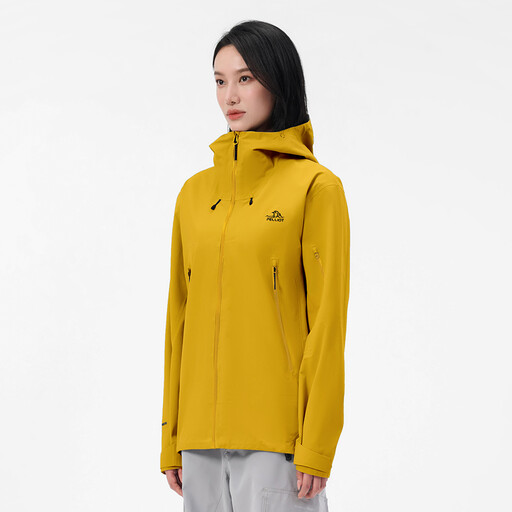
Why it suits this profile: This Rock Shell model is designed for trekking, mountain walking and terrain where ventilation and durability are important. The yellow colour may also make you more visible away from the city.
The longer ventilation zips under the arms help reduce the risk of a clammy jacket during physical activity. The size chart includes chest, shoulder and sleeve measurements.
According to the product description: stretchier outer material, ventilation zips, a zipped sleeve pocket and a RECCO reflector for use in mountainous areas.
A fleece-lined jacket requires extra care because the inner and outer layers may sometimes need to be maintained separately. Always check the latest instructions on the product page.
We have put together a complete, up-to-date list of products that fully meet these strict selection criteria and the applicable European safety regulations.
Yes, if you are mainly looking for protection from rain and wind. On cold days, a separate fleece or insulating layer is practical. A 3-in-1 winter jacket combines these layers in a single system, but may be heavier than a separate hardshell.
That depends on use, friction, washing and storage. A jacket that frequently rubs against rocks, branches or a backpack will wear out more quickly than one used in the city. Follow the care instructions and regularly check the zips, seams and cuffs.
Wear several thin layers, such as a moisture-wicking shirt and a fleece in cooler temperatures. Avoid cotton during intensive activities, as it can retain moisture. Choose a jacket size with enough room for the layers you actually wear.
