
Vandaag of morgen in huis

Kwaliteit gegarandeerd

Welkomstaanbiedingen ontgrendelen: GRATIS bezorging | Tot 80% korting | Gratis 30 dagen JoyPlus-proefperiode
Download de app
A waterproof outdoor jacket might seem straightforward to choose at first. But there are significant differences between a jacket for your daily commute, a hardshell for mountain walks and an insulated men's winter jacket. A shiny outer fabric or a familiar brand name does not automatically mean a jacket is right for how you plan to use it.
Look out for these common pitfalls:
Do not just look for the term “waterproof”. Check whether the product information mentions:
A waterproof outdoor jacket can protect you in prolonged rain, but open zips, uncovered pockets and cuffs that do not fit closely can still be weak points. For walking and camping, taped seams and a hood that fastens securely are therefore more important than a striking design alone.
A hydrostatic head rating in millimetres is a useful technical measure if the manufacturer provides one. The higher the figure, the more water pressure the fabric can withstand according to the test method. Only compare figures when they use the same testing method.
A breathable rain jacket helps release body heat and moisture, but no jacket can prevent you from sweating in all conditions. Ventilation is especially important when you are walking, cycling or running at a high intensity.
Look for:
A hardshell jacket is usually designed as a protective outer layer. It keeps out rain and wind, but does not always provide much warmth. In cold weather, wear an insulating layer underneath. A fleece-lined jacket or 3-in-1 model may be more convenient if you want one garment for several seasons.
For woodland paths, rocky terrain and camping, a windproof jacket made from hard-wearing fabric is useful. Also check the material, pocket layout and washing instructions.
A jacket made with recycled polyester may suit anyone looking for a sustainable outdoor jacket, but the proportion of recycled material does not tell you everything about its overall lifespan. Also look at repair options, zip quality and care advice.
As a rule, wash a technical jacket on a gentle cycle, close the zips and fastenings, and do not use bleach. Fabric softener can affect the performance of technical fabrics. Air-drying is often the safest option, unless the care label says otherwise.
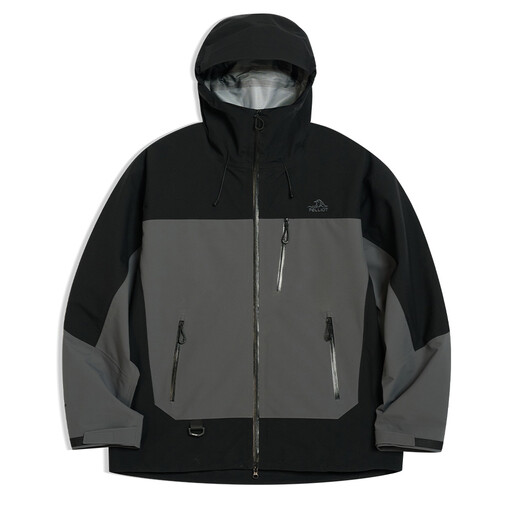
Why it suits this profile: According to the product description, this unisex hardshell jacket is designed for commuting, travelling, camping and walking. Size L has a stated chest measurement of 127 cm, which may leave room for layers; check it against your own measurements.
The specifications describe the fabric as waterproof, breathable, windproof and hard-wearing. This makes its features clearer than those of a jacket described only as “rain-resistant”.
The product information describes storm-flap-style protection as storm-proof. It also says the jacket can be machine-washed on a cold, gentle cycle.

Why it suits this profile: According to the product description, this model is designed for running and training. It has a DryVent outer fabric, a hood, chest and hand pockets, and a regular fit.
The description mentions sealed seams and a DWR finish. These are more specific indications of rain protection than a general claim about bad weather alone.
According to the product information, the shell is made from 100% recycled polyester and has a Non-PFC DWR finish. Follow the care label for washing and reproofing.
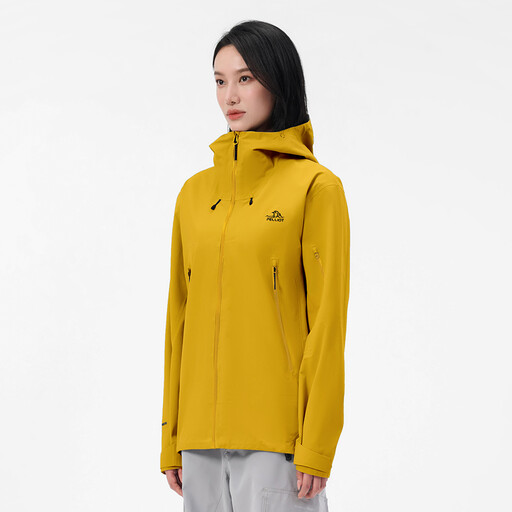
Why it suits this profile: The product description is aimed at intensive activities in rain, wind, snow and rough terrain. Underarm ventilation zips can be useful when your level of exertion changes quickly.
As well as waterproofing and windproofing, the product information mentions longer underarm zips and a hard-wearing design. Check that the fit and size work with your kit.
According to the product information, the jacket has a RECCO reflector, underarm ventilation and a zipped sleeve pocket. These are practical details for outdoor use.
We’ve put together a complete, up-to-date list of products that meet these strict selection criteria and the applicable European safety regulations.
Not always. A hardshell jacket mainly protects you from rain and wind, but often has little insulation. In cold weather, wear it with a fleece or down jacket. A lined parka or 3-in-1 jacket may be more suitable if you want warmth and protection in one system.
Close all zips and hook-and-loop fastenings before washing. Use a mild detergent, avoid bleach and follow the care label for washing temperature and drying. If water no longer beads off the outer fabric, you may need to apply a suitable waterproofing treatment. Check the manufacturer's advice first.
Its lifespan depends on how you use, wash and store it, as well as how much friction it is exposed to. A jacket for daily cycling will wear differently from one used for occasional walks. Hang it up to dry, do not store it damp for long periods, and check the seams, zips and cuffs regularly. This helps you spot in good time when it may need repairing or replacing.
