
Vandaag of morgen in huis

Kwaliteit gegarandeerd

Welkomstaanbiedingen ontgrendelen: GRATIS bezorging | Tot 80% korting | Gratis 30 dagen JoyPlus-proefperiode
Download de app
A waterproof outdoor jacket needs to cope with more than a brief shower in the Netherlands. Rain can continue for hours during a walk, while wind and exertion create heat and perspiration at the same time. If you only look at a prominent waterproof rating or a low price, you may discover on the trail that the jacket feels heavy, does not breathe sufficiently or does not fit properly over several layers.
The following points will help you compare a hardshell jacket, 3-in-1 jacket, fleece-lined jacket or breathable rain jacket for walking, camping, commuting and trekking.
A jacket may be described as waterproof, but without a measurement this says little about how it performs in prolonged rain. Check whether the product information lists a hydrostatic head rating. Seams, zips, hood and cuffs also determine how effectively rain is kept out. A high fabric rating therefore does not guarantee that every part offers the same protection.
A breathable rain jacket transfers moist air from the inside to the outside, but perspiration can still increase during strenuous walking or cycling. Look for a stated MVTR rating and ventilation features such as underarm zips. A jacket without ventilation can feel clammy during exertion, even if the outer fabric keeps the rain out.
An outdoor jacket is often worn over a fleece jumper, thermal top or insulating layer. A men’s outdoor jacket or women’s outdoor jacket that is too tight restricts your freedom of movement and makes layering difficult. Check the chest, sleeve length and shoulder width in centimetres. A unisex outdoor jacket may fit differently from a model designed specifically for women or men.
Hydrostatic head is measured in millimetres H₂O. A higher value means that, according to the relevant test, the fabric withstands greater water pressure. For product 2, for example, PELLIOT lists a rating of 35.900 mm H₂O according to JIS. This is a product specification taken from the product information, not a general guarantee for every weather condition. Also check whether the seams are sealed and whether the zip construction provides sufficient protection.
A lower rating may already be suitable for everyday cycling and walking. For camping, prolonged rain and trekking, a higher stated rating is a useful point of comparison.
MVTR, or Moisture Vapour Transmission Rate, indicates how much water vapour the fabric can allow through in 24 hours according to a test. PELLIOT lists an MVTR of 16.000 g/m²/24 hours according to JIS for the fleece-lined women’s jacket. This rating helps you compare products, but your experience will also depend on temperature, clothing layers, activity and ventilation zips.
Someone who mainly walks at a leisurely pace has different requirements from someone walking uphill with a rucksack. For intensive use, a breathable outer fabric, adjustable cuffs and additional ventilation are useful features.
A good walking jacket should provide room for a mid-layer without being loose around the neck or wrists. Look for:
According to the product information, many jackets can be washed cold on a delicate cycle. Bleaching, dry cleaning and tumble drying are not recommended for several PELLIOT models. Fasten zips and hook-and-loop closures before washing, and always follow the label on the product you receive.
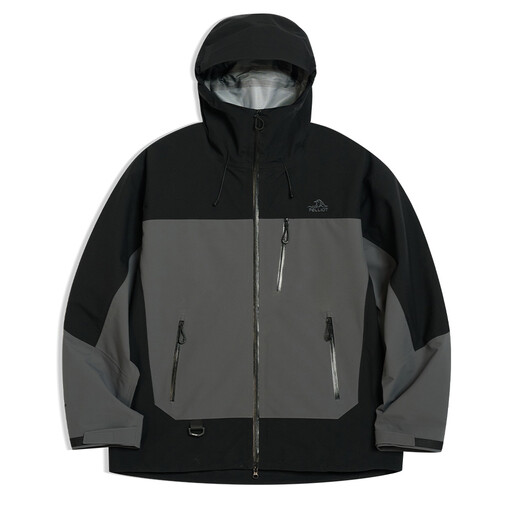
Why it suits this profile: This unisex hardshell model is designed for walking, travel and everyday use. The size chart ranges from XS to XXL and provides chest, shoulder and sleeve measurements in centimetres, so you do not have to rely on the letter size alone.
Alongside rain protection, the product page lists wind-resistant and hard-wearing properties. However, check the fit and seams yourself before using the jacket for prolonged trips.
Hardshell construction, an adjustable fit according to the product description and a choice of several sizes. Suitable as a base layer in changeable weather.
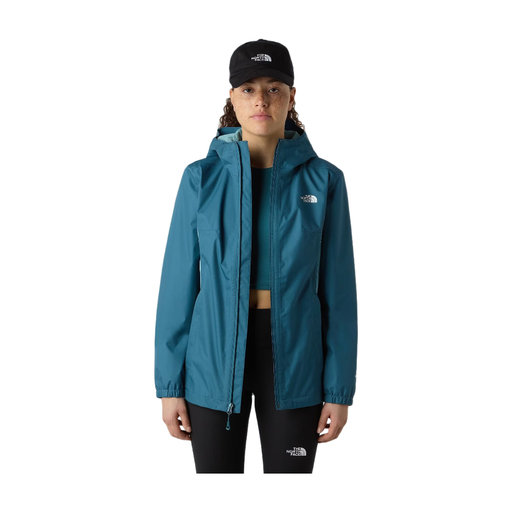
Why it suits this profile: This women’s model is designed for walking and activities in wet and windy conditions. According to the product description, it is designed to be worn as a standalone jacket or as part of a compatible zip-in layering system.
The product information refers to DryVent as waterproof, windproof and breathable technology. This is a brand claim, so check the exact product details and care instructions on the product page.
Adjustable hood, elasticated cuffs, zipped side pockets and a fit that, according to the product information, is suitable for layering.
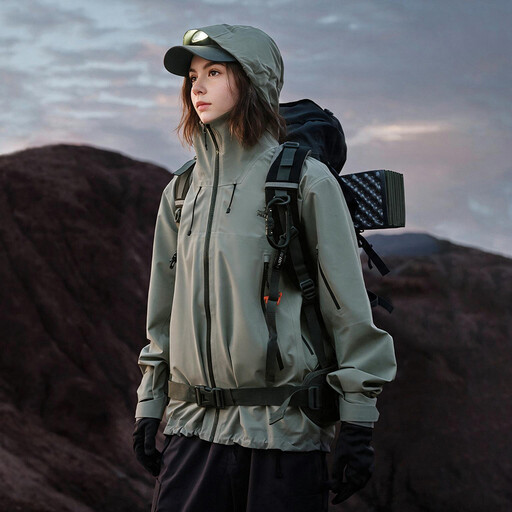
Why it suits this profile: According to the product description, the Rock Shell is designed for intensive outdoor activities across a range of terrains, with particular attention to freedom of movement and ventilation.
The description mentions longer underarm ventilation zips, so you do not have to rely solely on a general breathability claim. Your actual experience will still depend on exertion and conditions.
Lighter and more elastic material according to the product information, mesh lining, a zipped pocket on the sleeve and a RECCO reflector. RECCO is a safety feature and does not replace planning or other equipment.
A 3-in-1 jacket usually combines a water- and wind-resistant outer layer with a warm inner layer. You can wear both parts together in cold and wet weather, or separately in milder conditions. This makes this type of jacket appealing for camping, travel and commuting during changeable seasons.
A fleece-lined jacket is more comfortable in lower temperatures, but may feel warmer during intensive activity. A separate hardshell jacket offers greater flexibility if you want to choose your own fleece or insulating layer. Consider your activity, pack size and whether you frequently switch between layers.
Put on a thin top or fleece and then compare:
If in doubt, follow the model-specific size chart rather than relying solely on the general Dutch size. With a unisex outdoor jacket, the shoulders and sleeves may be roomier. Also check the returns policy and availability of your preferred size before ordering.
We have compiled a complete, up-to-date list of products that fully meet these strict selection criteria and the applicable European safety regulations.
Its lifespan depends on use, washing, friction and care. Frequent rubbing against rocks or carrying a heavy rucksack puts greater strain on the fabric and seams. Wash according to the label, do not use bleach, and store the jacket somewhere clean and dry. Over time, check the water-repellent outer layer, seams and zips.
It can be, provided the jacket offers sufficient freedom of movement, adjustable cuffs and ventilation. For commuting, visibility, pockets and a hood that fits properly under or over a helmet are also practical. A jacket that works well for leisurely walking may feel warmer more quickly during vigorous cycling.
In addition to the purchase price, consider care, any reproofing products and versatility. A 3-in-1 jacket can replace several separate layers, while a hardshell jacket may be more economical if you already own a fleece. So do not compare price alone: also consider the material, care requirements, fit and the number of activities for which you will use the jacket.
