
Vandaag of morgen in huis

Kwaliteit gegarandeerd

Welkomstaanbiedingen ontgrendelen: GRATIS bezorging | Tot 80% korting | Gratis 30 dagen JoyPlus-proefperiode
Download de app
A waterproof outdoor jacket needs to do more than keep the rain out. During a walk, cycle ride or camping trip, you also have to contend with wind, perspiration, freedom of movement and wear and tear. Yet many jackets look similar at first glance. Marketing terms such as “stormproof”, “breathable” or “all-weather” do not always tell you enough about everyday performance.
With these practical checkpoints, you can quickly see which waterproof outdoor jacket suits your activities in the Netherlands.
A manufacturer may claim waterproof properties, but without clear technical details such as a hydrostatic head rating, taped seams or a stated standard, it is difficult to assess how the jacket will perform. A jacket may also use waterproof fabric while its zips, cuffs or seams offer less protection.
So check:
According to PELLIOT’s own product information, the hardshell jacket is designed to remove moisture during activity. This is a brand description, not a guarantee for every user or weather condition. Condensation can still occur during strenuous activity, when wearing warm layers or in high humidity.
A breathable walking jacket performs better when you wear suitable layers underneath and use ventilation zips, if available. Also look for mesh lining, underarm ventilation and the option to partially unzip the jacket.
A jacket that is too tight leaves little room for a fleece or insulating layer. One that is too loose may ride up in the wind and allow heat to escape more easily. So do not just look at the letter size. Check the measurements in centimetres and consider how much room you need for layering.
A hardshell jacket generally has a robust outer fabric and is intended as a protective outer layer. This makes it an interesting choice for trekking, camping and more demanding terrain. A simple outdoor rain jacket is often lighter and more compact, but may offer less abrasion resistance or fewer ventilation options.
For walks and commuting, these features are particularly useful:
For mountaineering or a jacket for mountain climbing, additional information is important, such as rucksack compatibility, freedom of movement when reaching overhead and a hood that fits over a helmet. If these details are missing, do not automatically assume that the jacket is suitable for alpine conditions.
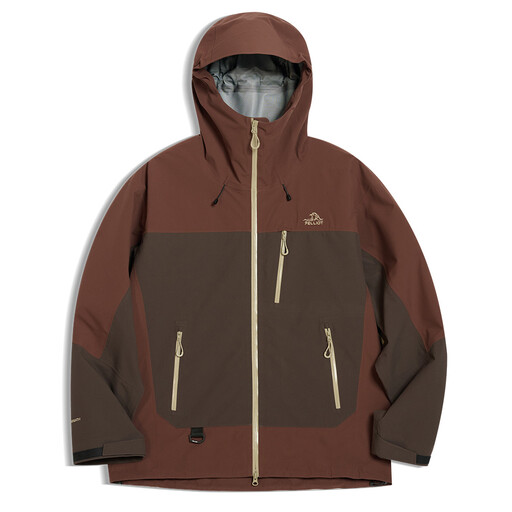
Why it suits this profile: This unisex outdoor jacket is designed for walking, travelling, camping and everyday use. The available sizes range from XS to XXL; check the chest, shoulder and sleeve measurements before buying.
The product description mentions waterproof, windproof and abrasion-resistant properties. As no hydrostatic head rating is provided, it is still wise to check the full product specifications.
Hardshell outer, colour-block design and washing instructions for cold washing on a delicate cycle.
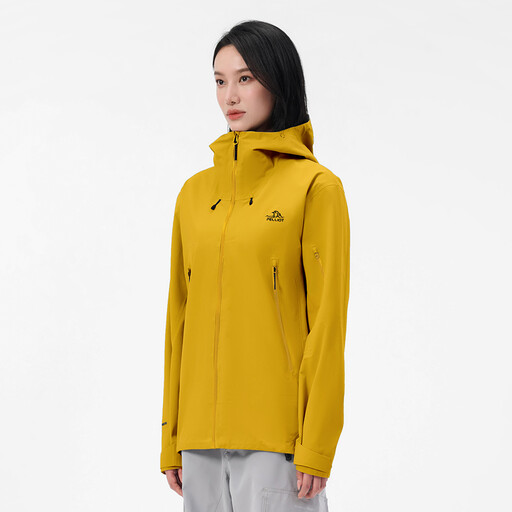
Why it suits this profile: The Pro version is intended for users looking for extra ventilation and features for trekking, snow, rocky terrain and changing conditions.
According to the product description, the longer underarm zips provide a practical ventilation option. The jacket also uses more flexible fabric for greater freedom of movement.
Mesh lining, a zipped sleeve pocket and a RECCO reflector, listed by PELLIOT for search operations in mountainous areas.
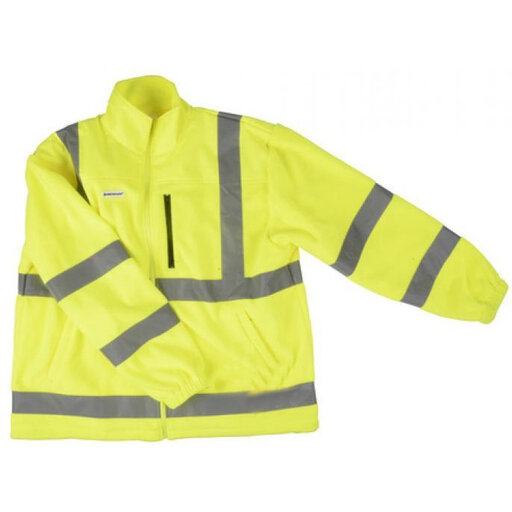
Why it suits this profile: For roadside work, construction sites or outdoor work, visibility is more important than a classic trekking fit. This reflective safety jacket is designed for adults.
The product information mentions reflective bands and Class 3 according to standard 471. Before using it professionally, always check the label and your employer’s current requirements.
Two horizontal reflective bands, reflective sleeves and several zipped pockets. According to the product details, the jacket weighs 432 grams.
Even a sturdy waterproof outdoor jacket loses its practical value if you wash it incorrectly. Always follow the care label. For the PELLIOT models, cold washing on a delicate cycle is recommended. Bleach, tumble drying and dry cleaning are not recommended. Close the zips before washing and allow the jacket to air-dry naturally.
Do not use fabric softener if the manufacturer advises against it. It can affect the performance of certain technical fabrics. Also check the seams, zips and cuffs from time to time. Damage to the outer shell can reduce protection against rain and wind.
We have put together a complete, up-to-date list of products that fully meet these strict selection criteria and the applicable European safety regulations.
Yes, if you are mainly looking for protection from rain and wind. A hardshell is practical for commuting and short walks, but consider its weight, ventilation and fabric softness. A fleece-lined jacket may be more comfortable in the city, while ventilation zips are more useful during trekking.
Look for verifiable information such as a hydrostatic head rating, taped seams, a stated standard and details about zips and fastenings. If the title only says “waterproof”, you do not have enough information to compare the level of protection properly. Also check the product photos and size chart.
Choose a windproof jacket with reflective details, or a certified safety jacket when visibility is a work requirement. A colour-block jacket may stand out, but it does not automatically replace a reflective safety jacket with the correct classification. So always check the standard, label and requirements for your working environment.
