
Vandaag of morgen in huis

Kwaliteit gegarandeerd

Welkomstaanbiedingen ontgrendelen: GRATIS bezorging | Tot 80% korting | Gratis 30 dagen JoyPlus-proefperiode
Download de app
A waterproof outdoor jacket needs to cope with more than a brief shower in the Netherlands. During a cycle ride to work, a walk on the Veluwe or a camping weekend, rain, wind and temperatures can change quickly. Yet a striking product name says little about how suitable a jacket really is.
The most common buying mistakes stem from three pitfalls:
Do not just look for the word “waterproof”. Check whether the product information mentions sealed or taped seams, a waterproof membrane and an adjustable hooded jacket. Seams and zips are often the places where rain can still get in.
According to The North Face’s own product description, the The North Face Quest Jacket is made with fully seam-sealed DryVent fabric and is described as waterproof, windproof and breathable. These are brand claims, so always check the current product specifications and care instructions before buying. The jacket also has an adjustable hood, elasticated cuffs and an adjustable hem.
A windproof jacket without a waterproof layer may be suitable for a cool, dry walk, but not for prolonged rain. For commuting in changeable weather, a rain jacket with adjustable fastenings is more practical.
A fleece jacket is usually a mid-layer. A shell jacket forms the outer layer against wind and precipitation. A winter coat or padded jacket generally has synthetic or down insulation and is designed to retain heat.
A 3-in-1 jacket combines these functions. The outer layer and inner jacket can be worn separately or together. According to The North Face’s product description, the Triclimate jacket NF0A84FC consists of a protective outer layer and a down inner jacket with 550 fill power. Performance and perceived warmth depend on the fit, activity, base layers and weather conditions, so treat the brand information as product specifications rather than a guarantee for every use.
Consider the balance between freedom of movement and a close fit. For walking or climbing, adjustable cuffs and a drawcord at the hem are useful. For everyday use, zipped pockets, a chin guard and a mesh lining can improve comfort.
Also check:
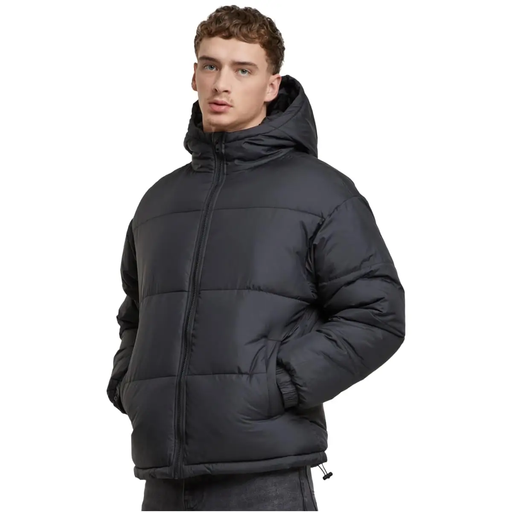
Why it suits this profile: This black winter jacket is designed for everyday use on cold days and has a hood for extra protection.
The product specification clearly lists the materials: a polyamide outer layer, polyester filling and polyester lining. The jacket should be cared for according to the label.
100% polyester filling, a hood and sizes from S to XXL in the listed size chart.

Why it suits this profile: The technical shell is designed for hiking and changeable conditions, without a fixed warm inner layer.
The product information mentions sealed seams, DryVent fabric, a mesh lining and an adjustable hood. This describes the protection more specifically than simply calling it “rain-resistant”.
According to The North Face’s own product description: 100% polyester shell, windproof design, two zipped pockets and adjustable cuffs.
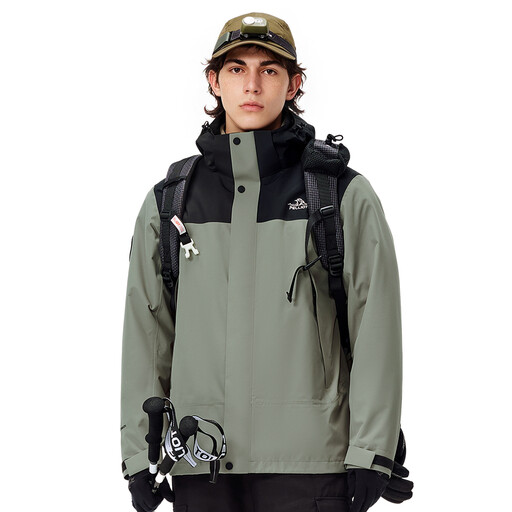
Why it suits this profile: The combination of an outer layer and fleece lining is designed for camping, trekking and commuting in changing temperatures.
The jacket is described as a 3-in-1 system: outer layer, inner layer or both together. However, check the size chart carefully, as the sizes differ between the layers.
According to the product description: fleece lining, adjustable sizing, taped seams and an outer fabric described as hard-wearing.
We have put together a complete, up-to-date list of products that fully meet these strict selection criteria and the applicable European safety regulations.
Not automatically. A shell or rain jacket mainly protects you from wind and precipitation. Wear a fleece jacket, wool jumper or insulating layer underneath if you need warmth. A lined winter coat or 3-in-1 jacket combines more functions, but may be heavier and less compact.
This depends on use, friction, washing and care. The outer water-repellent layer may become less effective over time. Follow the washing instructions, avoid products that could damage the membrane and check whether the manufacturer recommends reapplying an impregnation treatment. Damaged seams or a broken zip can reduce protection more quickly.
The price depends on the material, brand, insulation, construction and additional features such as sealed seams or ventilation zips. So do not compare the price alone; also consider the size chart, care costs, layering system and intended use. A simple jacket may be sufficient for everyday wear, while a technical shell or 3-in-1 jacket can offer more practical features for intensive walks.
