
Vandaag of morgen in huis

Kwaliteit gegarandeerd

Welkomstaanbiedingen ontgrendelen: GRATIS bezorging | Tot 80% korting | Gratis 30 dagen JoyPlus-proefperiode
Download de app
A good waterproof outdoor jacket needs to cope with more than a brief shower in the UK. Whether you’re walking, cycling, camping or commuting, you’ll encounter rain, wind, changing temperatures and sometimes strenuous activity. Yet a striking marketing claim doesn’t automatically tell you how suitable a jacket really is.
So the most important question isn’t just which jacket looks appealing. It’s also: what level of protection, ventilation and layering will suit the way you use it?
A Durable Water-Repellent finish, often called DWR, helps raindrops run off the outer fabric. According to brands’ product descriptions, it’s designed to keep the outer fabric dry for longer. However, a DWR finish isn’t the same as a fully waterproof construction.
So check whether:
A jacket may keep out heavy rain but still feel clammy on a climb or brisk walk. So, alongside waterproofing, look at its breathability, usually measured as MVTR: how much water vapour the fabric allows through per square metre over 24 hours.
These figures aren’t always directly comparable between brands, as testing methods can vary. Use them as a guide, and check for ventilation zips, a mesh lining and a comfortable fit too.
A lightweight rain jacket may work well as an outer layer over a T-shirt or fleece. A lined jacket, on the other hand, leaves less room for extra layers. If you’re buying a women’s or men’s outdoor jacket online, it’s worth checking the chest measurement, sleeve length and room to move.
A jacket that’s too tight can restrict layering. One that’s too loose may let heat escape and feel less comfortable in windy conditions.
For a walking rain jacket, fully sealed seams, an adjustable hood and fastening cuffs are practical features. Hydrostatic head is usually given in millimetres of water pressure. For example, the PELLIOT jacket in this selection lists 35,900 mm H₂O according to JIS. This is a technical product specification; the protection you get in practice also depends on wear, care, zips and seams.
A breathable walking jacket helps release moisture as vapour, but no fabric can prevent you from feeling damp in every condition. When you’re walking hard, temperature, exertion, your rucksack and your base layers all play a part.
The PELLIOT specification lists 16,000 g/m²/24 hours according to JIS. The product description says the jacket is designed to release moisture during activity. Treat this as a product specification, not a guaranteed experience for every wearer.
Also look for:
A fleece-lined jacket combines an outer layer with a warm inner layer. That’s practical in cold, changeable weather, but it may be too warm for summer walks. A 3-in-1 outdoor jacket offers more flexibility: you can wear the shell, lining or both layers together.
For a winter trekking jacket, it’s worth checking the insulation, ventilation options and space for a base layer. Durability matters for camping too, particularly if the jacket rubs against branches, rocks or a rucksack.
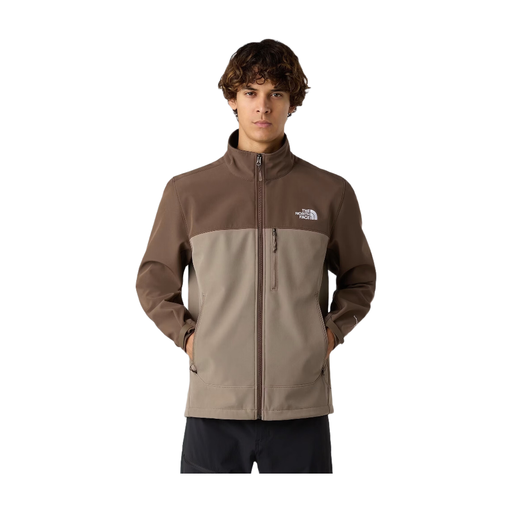
Why it suits this profile: This windproof jacket is designed for everyday wear and outdoor activities in spring. The fleece backing can be comfortable for commuting and relaxed walks.
The product information lists an adjustable hem, cuffs and zipped pockets. Check the current product page for precise details of its rain protection; the description presents it primarily as a windproof jacket.
93% polyester and 7% elastane; soft fleece backing; regular fit according to the product description.

Why it suits this profile: According to the product description, the Quest shell is designed for walking in changeable conditions and offers a clear combination of rain protection, wind protection and ventilation.
The description mentions fully sealed seams and DryVent fabric. The DWR finish is an additional water-repellent treatment and needs to be cared for according to the label.
Adjustable hood and hem; elasticated cuffs; mesh lining and two zipped pockets.

Why it suits this profile: The combination of shell and lining is practical for camping, trekking and commuting in different seasons.
The product information lists a 3-in-1 design, adjustable hood, hem and cuffs. The stated test values come from the manufacturer's product description and aren’t a guarantee for every use case.
According to the stated specifications: 35,900 mm H₂O, 16,000 g/m²/24 hours and over 40,000 abrasion cycles; outer jacket and inner jacket can be worn separately.
Wash your outdoor jacket according to the care label, and close the zips and fastenings before washing. Don’t use bleach unless the label says it’s safe, and avoid tumble-drying if the manufacturer advises against it. A jacket with a DWR finish may need reproofing when water no longer beads on the outer fabric. Always check the care instructions for your specific model first.
A jacket used for camping or trekking needs extra attention around areas prone to rubbing, such as the shoulders, hips and cuffs. Store it clean and completely dry to help prevent damage to the fabric and unpleasant odours.
We’ve put together a complete, up-to-date list of products that fully meet these strict selection criteria and the applicable European safety regulations.
No. Waterproofing and breathability are different properties. Alongside the hydrostatic head rating, check the MVTR, ventilation zips, mesh lining and fit. During strenuous walks, clothing can still feel damp in certain conditions because of sweat and heat.
That depends on how you use it, friction, washing and care. A jacket regularly worn with a rucksack will usually wear more quickly around the shoulders and hips. Follow the care label and restore the water-repellent finish when the product information recommends it.
A 3-in-1 model gives you flexibility, as you can wear the layers separately or together. However, the lining may feel too warm on hot summer days. For harsh winter conditions, check the insulation rating and whether there’s enough room for extra layers too.
