
Vandaag of morgen in huis

Kwaliteit gegarandeerd

Welkomstaanbiedingen ontgrendelen: GRATIS bezorging | Tot 80% korting | Gratis 30 dagen JoyPlus-proefperiode
Download de app
In the Netherlands, a waterproof outdoor jacket needs to cope with more than a brief shower. Whether you’re out walking, cycling, camping for the weekend or travelling to work, you’ll encounter wind, moisture and changing temperatures. However, not every jacket labelled “waterproof” is suitable for extended outdoor use.
The biggest buying mistakes usually come down to three things:
So don’t focus solely on colour, brand or discount. Look at the construction, performance ratings, seams and intended use.
Waterproofing is often expressed as a water column rating in millimetres. A higher figure indicates greater resistance to water pressure, but real-world performance also depends on the zips, hood, cuffs and seams.
So check whether the product information mentions:
A waterproof jacket with a hood is often more practical in Dutch rain than a model that requires you to carry a separate rain hat. Bear in mind that a water-repellent finish may need maintenance over time. Always follow the care label and do not use bleach unless permitted.
For relaxed everyday use, a basic rain jacket may be sufficient. For running, trekking or brisk walking, breathability is more important. Manufacturers often use an MVTR rating for this, expressed in grams per square metre per 24 hours.
A higher MVTR rating can help move moisture and heat away from the body more effectively, but your experience also depends on the temperature, level of exertion, base layers and ventilation zips. For example, a breathable rain jacket with underarm zips gives you more ways to regulate your temperature during intense activity.
Also consider the cut. A jacket that is too close-fitting restricts air circulation and leaves little room for a base layer or fleece.
An outdoor jacket is not automatically a winter jacket. For cold days, there are roughly three practical options:
A fleece-lined jacket can be comfortable for commuting, camping and relaxed walks. For more vigorous activity, a separate layering system may offer greater flexibility. With a 3-in-1 jacket, check the attachment points and make sure both layers can be used independently.
Measure your chest, waist and, if necessary, hips, then compare these measurements with the product’s size chart. Sizes vary between brands and models. A standard fit is not the same as a relaxed fit.
Think about how you’ll use the jacket:
Some models include chest, hip and sleeve-length measurements. Use these details rather than relying solely on S, M, L or XL.
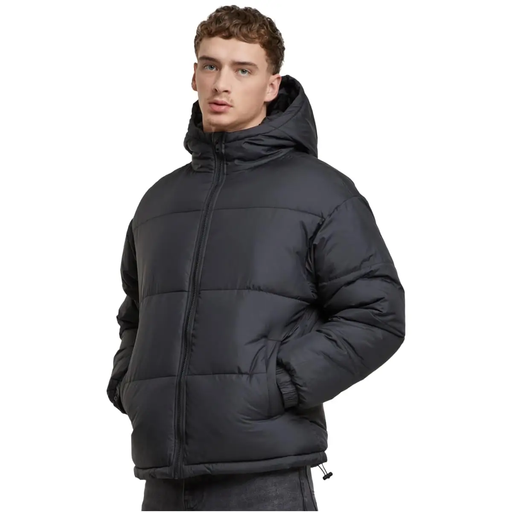
Why it suits this profile: This jacket is designed for everyday use and cold days. The hood, polyester filling and comfortable lining make it practical for city journeys and short walks.
The product information lists the filling, lining and outer fabric separately. This makes it easier to assess the warmth and materials than with a general marketing claim.
100% polyester filling, polyamide outer layer, hood and several available sizes.

Why it suits this profile: A good choice if you want one system to use in changing conditions, from cold walks to wet days while travelling.
According to the product description, the outer and inner layers can be worn separately or together. This means you do not have to settle for one fixed level of warmth.
3-in-1 construction, taped outer seams, adjustable hood and 550-fill-power down according to the product information.
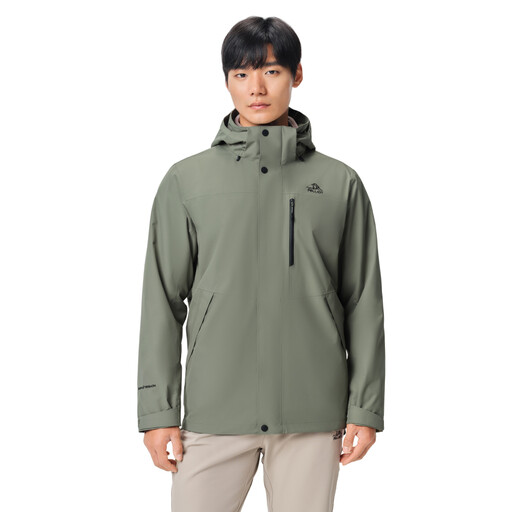
Why it suits this profile: The combination of a shell and fleece lining is designed for camping, trekking, travel and everyday use across several seasons.
According to PELLIOT’s own information, a water column of 35.900 mm and an MVTR of 16.000 g/m²/24 hours are stated. Always check the full product specifications and care instructions.
3-in-1 construction, fleece inner layer, adjustable hood and stated abrasion resistance of more than 40,000 rub cycles according to PELLIOT.

Why it suits this profile: According to the product description, this model was developed for outdoor training and running in rainy weather.
The description mentions DryVent material with sealed seams, a hood and adjustable cuffs. This makes key construction details visible rather than relying on a general claim about rain protection.
100% recycled polyester according to the product information, zipped chest and hand pockets, and a standard fit.
We’ve put together a complete, up-to-date list of products that fully meet these strict selection criteria and the applicable European safety regulations.
Not always. A shell jacket mainly protects against rain and wind, but may not have insulating filling. Choose a lined jacket, down model or 3-in-1 jacket if you also need warmth. Also check that there is enough room for a fleece layer.
That depends on use, washing, friction and maintenance. Over time, the outer layer may become less effective at repelling water, even if the membrane is still functioning. Wash according to the care label, fasten the zips before washing and use only a suitable care product. Some manufacturers recommend reproofing the jacket.
The price depends on the materials, insulation, brand, construction and additional features such as ventilation zips or a 3-in-1 system. First decide whether you’re looking for a women’s outdoor jacket, men’s outdoor jacket, walking jacket, trekking jacket or camping jacket. That way, you won’t pay for features you rarely use.
