
Vandaag of morgen in huis

Kwaliteit gegarandeerd

Welkomstaanbiedingen ontgrendelen: GRATIS bezorging | Tot 80% korting | Gratis 30 dagen JoyPlus-proefperiode
Download de app
A waterproof outdoor jacket needs to cope with more than a brief shower in the Netherlands. Whether you are walking, cycling, camping or commuting, you may face wind, prolonged rain and changing temperatures. Yet a prominent product title says little about how suitable a jacket really is.
So watch out for these three common pitfalls:
The hydrostatic head is expressed in millimetres H₂O. This is a technical measure of the pressure a fabric can withstand according to a specific test. A higher value indicates greater resistance to water pressure, but it does not tell you everything about the finished product. The seams, zips and areas prone to wear remain important.
According to the product description, PELLIOT fleece-lined jackets have a hydrostatic head rating of 35,900 mm H₂O according to JIS. The same description states that the construction has been tested for more than 40,000 abrasion cycles. Use these figures as points of comparison, not as a guarantee for every weather situation.
A hardshell jacket is generally designed to protect against rain and wind and often has no insulating lining. This makes a hardshell suitable as an outer layer over a fleece or insulating mid-layer. Check whether the seams are taped and whether the zip has a storm flap or water-resistant finish.
A breathable waterproof jacket should be able to move perspiration away from your body. This is often shown as MVTR: the number of grams of moisture that pass through one square metre in 24 hours. The figure is only genuinely comparable when the same test method has been used.
According to the product description, the PELLIOT 3-in-1 jackets mentioned have an MVTR of 16,000 g/m²/24 hours according to JIS. These models also have adjustable cuffs, hem and hood. This helps you customise the fit, but ventilation zips or a lightweight base layer may still be useful during intense activity.
For relaxed walks, travel and everyday use, a fleece-lined jacket can be comfortable. For climbing, fast uphill walking or cycling, a lighter windproof jacket or a well-ventilated hardshell is often more practical.
A 3-in-1 outdoor jacket consists of an outer layer and a removable inner layer. You can wear the parts separately or together. This gives you flexibility in changeable weather:
When trying on a jacket, make sure there is enough room for a fleece or jumper without the sleeves or shoulders being too loose. Always check the product-specific size chart. The PELLIOT size charts provide separate chest, shoulder, sleeve and length measurements for the outer and inner jackets.
Care affects the product’s lifespan. Wash it according to the label, close the zips and avoid bleach. Several PELLIOT models recommend cold washing on a delicate cycle, do not tumble dry and do not dry clean. If a jacket has a water-repellent finish, it may need to be reproofed periodically; follow the manufacturer’s instructions.
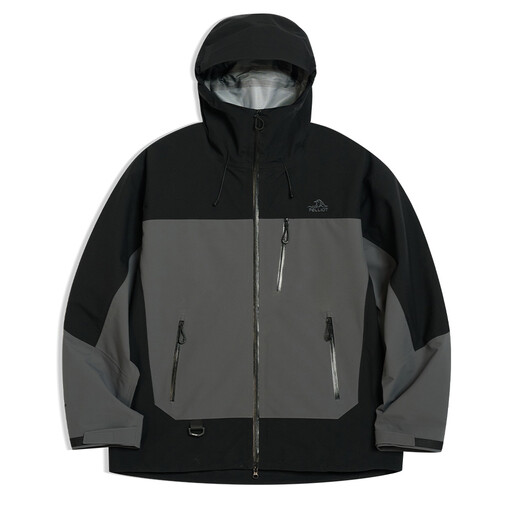
Why it suits this profile: A unisex hardshell jacket is a practical choice if you want one outer layer for city cycling, walks and short camping trips. The jacket has no described insulating lining, so you can adjust warmth by adding layers.
The product description mentions waterproof, breathable, windproof and abrasion-resistant properties. Before buying, however, check the current size chart and the details of the seams and zips.
Unisex fit, adjustable sizing details according to the product description, and a design that can be used as a standalone outer layer.
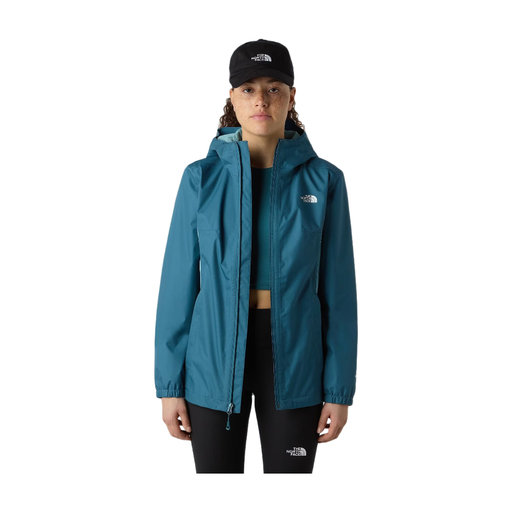
Why it suits this profile: This women's outdoor jacket is designed for walking and demanding outdoor activities in wet and windy conditions. According to the product description, it can be worn on its own or combined with compatible Triclimate products.
The product description lists DryVent as waterproof, windproof and breathable technology, along with adjustable cuffs and a concealed hood adjustment.
100% polyester outer fabric according to the product details, zipped side pockets and a system for combining it with compatible layers.
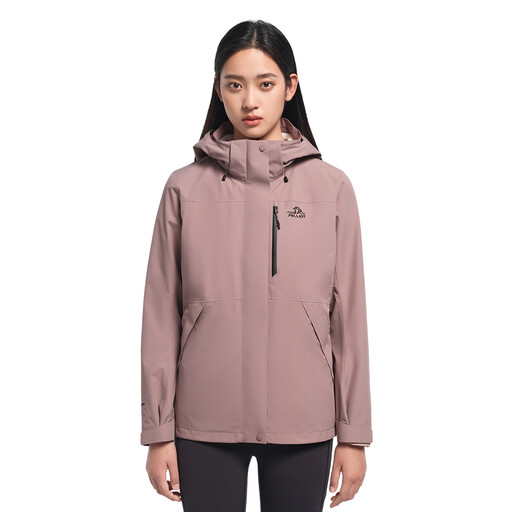
Why it suits this profile: This fleece-lined jacket is designed for camping, trekking and everyday use in cold, changeable conditions. Its 3-in-1 construction offers several ways to wear it.
According to the product description, the hydrostatic head, breathability and abrasion resistance are specified. This allows you to compare these properties more precisely than by relying on the word “waterproof” alone.
35,900 mm H₂O, 16,000 g/m²/24 hours MVTR and more than 40,000 stated abrasion cycles according to the product description; the inner layer and shell can be worn separately.
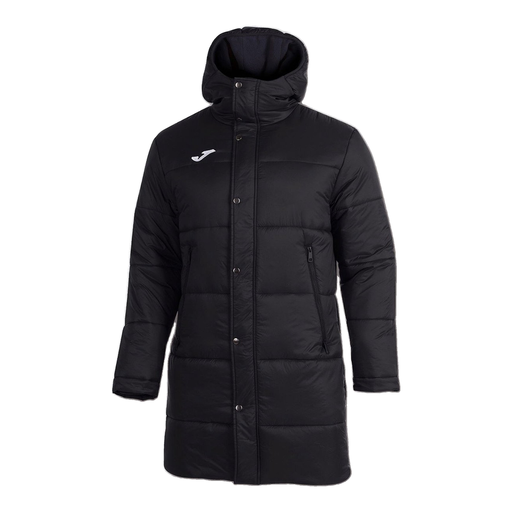
Why it suits this profile: This men's outdoor jacket is suitable if you are mainly looking for warmth, plenty of pocket space and a classic parka style for the city, travel and light outdoor activities.
The product details mention an insulated structure, fleece lining, adjustable hood and cuffs. For intensive trekking, it is sensible to check the breathability separately.
100% nylon according to the product information, several pockets and an outer layer described as waterproof.
We have compiled a complete, up-to-date list of products that fully meet these strict selection criteria and the applicable European safety regulations.
No. Waterproofing and breathability are different properties. Look for an MVTR rating, membrane or other technical explanation. Also check whether the jacket has ventilation zips, a roomy fit or adjustable openings.
That depends on use, care, friction and storage. A jacket that frequently rubs against rucksack straps will wear out faster than a model intended for occasional walks. Wash it according to the label, avoid harsh products and renew a water-repellent finish only according to the brand’s instructions.
Choose a hardshell if protection from rain and wind is your top priority. A fleece-lined or 3-in-1 outdoor jacket is a better choice when you also want warmth and flexibility. For a jacket for camping and travel, a removable inner layer is useful; for intensive trekking, a lighter shell with a separate insulating layer may be more comfortable.
Always check the current product page, size chart, material information and care instructions before ordering. This way, you compare more than just marketing terms and focus on features suited to how you will use the jacket in Dutch weather.
