
Vandaag of morgen in huis

Kwaliteit gegarandeerd

Welkomstaanbiedingen ontgrendelen: GRATIS bezorging | Tot 80% korting | Gratis 30 dagen JoyPlus-proefperiode
Download de app
Rain in the Netherlands often comes out of nowhere. A jacket that leaks after one shower, a rucksack without a secure fastening or a motorbike bag that shifts while you’re riding can quickly make a walk, cycle ride or commute unpleasant. So when it comes to waterproof outdoor gear, it’s not just about seeing the word ‘waterproof’ on the packaging. Construction, intended use and care matter just as much.
This guide explains what to look for in a waterproof outdoor jacket, hardshell jacket, waterproof rucksack, dry bag, motorbike luggage and accessories for trekking and travel.
A coating that protects against light rain and splashes isn’t necessarily suitable for prolonged heavy downpours. With rucksacks and cycle bags in particular, check whether the design is sealed, has a roll-top closure or features covered zips. A product described as only ‘water-repellent’ may offer less protection than a proper dry bag with a rolled closure.
Seams, zips, flaps and attachment points are often the weak spots. On a jacket, adjustable cuffs and a hood that fits securely are important. On a waterproof rucksack or waterproof travel bag, the closure determines how easily rain can reach your belongings. Also check that the bag doesn’t just resist water on the outside, but fully encloses its contents.
A hardshell jacket should leave room for a mid-layer without restricting your movement. A compact 10L rucksack is handy for a short cycle ride, but not for a multi-day trek. Conversely, a large motorbike tail bag may take up more space than you need for everyday use. Start by considering your activity, packing list and preferred way of carrying your gear.
Check both the material and how the product is made. According to the product description, PELLIOT jackets are made from a nylon or polyester blend with a waterproof laminate layer. The description also mentions a mesh or technical textile lining. This could be useful if you plan to wear a jacket for walking or cycling, rather than just as a rain layer.
PVC is often used for motorbike luggage because of its sealed construction. According to the product information, the 36L, 66L and 86L motorbike bags in this selection feature a PVC construction, a roll-top closure and reflective details. How waterproof they are still depends on rolling and fastening them correctly, and avoiding prolonged submersion.
A roll-top closure should be rolled down several times and then fastened securely. If a rucksack has zips, check whether they’re covered. With a dry bag, the material matters, but so does the fold or roll at the top.
Also check where the seams and attachment straps are positioned. A bag may have a water-repellent outer layer but still let moisture in through unsealed seams or an open side pocket.
For a jacket, chest, shoulder and sleeve measurements matter more than simply choosing S, M or L. For example, the PELLIOT size chart lists size L as 76 cm long, with a 120 cm chest, 48 cm shoulders and 65 cm sleeves. If you wear a thick mid-layer, the product information suggests considering a size up.
For bags, capacity is a better guide to what they’re suited to:
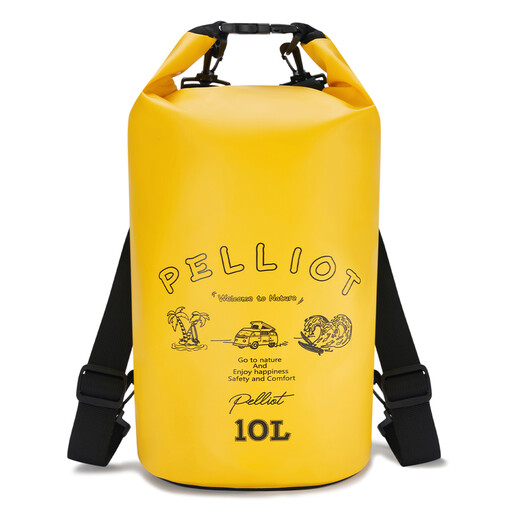
Why it suits this profile: The compact 10L capacity is ideal for short walks, cycling, commuting and light travel. Its bright colour can also make the bag easier to spot.
The product information mentions a roll-top closure, compression straps and a water-repellent coating. Bear in mind that, according to the same description, the bag is mainly designed to protect against light rain and splashes.
10L capacity, approximately 200 grams, foldable design and an integrated whistle, according to the product specifications.
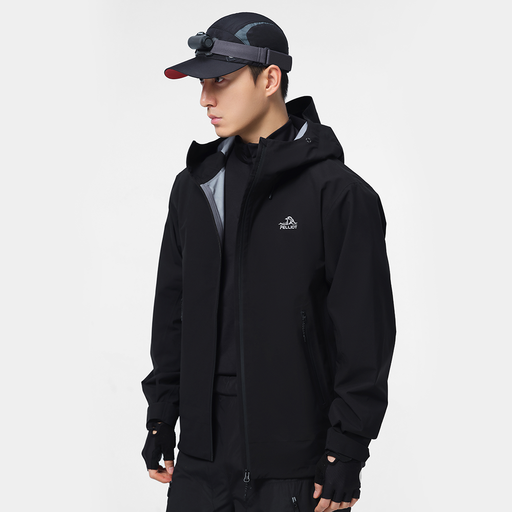
Why it suits this profile: This hardshell jacket is designed for walkers, hikers and commuters who want one jacket for everyday wear and trekking.
According to the product description, the jacket combines a waterproof laminate layer with a wind-resistant construction, breathable mesh lining and hard-wearing material. Check the size chart and care instructions before buying.
According to the chart, size M has a 116 cm chest. The jacket is made from a nylon or polyester blend and designed for everyday use and trekking.
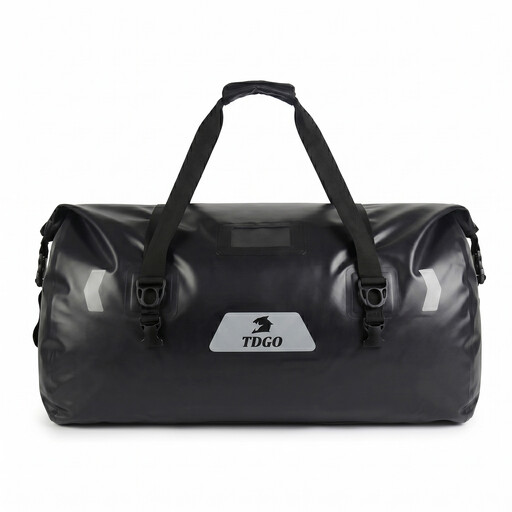
Why it suits this profile: This motorbike tail bag is a good fit for riders who need space for clothing, camping gear or longer trips.
According to the product information, the roll-top closure, PVC material and four attachment straps are designed to keep rain out and hold the bag in place. Check the straps before every ride.
66L capacity, dimensions of 60 × 32 × 33 cm and reflective details, according to the product specifications.
We’ve put together a full, up-to-date list of products that meet these strict selection criteria and the applicable European safety regulations.
Waterproof outdoor gear needs care too. Wipe bags clean with a damp cloth after use and leave them to air-dry completely. Avoid harsh cleaning products on PVC and store it away from heat. According to the product information, you should avoid using fabric softener on a jacket, as it can affect the fabric’s technical properties.
Regularly check the seams, closures and straps on motorbike and cycle bags. Even minor damage can reduce protection from rain. Don’t overload a bag: too much strain can affect its shape, attachments or closure.
That depends on how it’s made. Check whether the bag has a roll-top closure, covered zips and sealed seams. A product described as water-repellent is mainly intended for light rain and splashes.
A dry bag usually has a sealed opening that you roll down and fasten. This leaves fewer gaps for moisture to get in. An ordinary waterproof bag may also have a coating, but it isn’t always suitable for prolonged rain or contact with water.
For everyday use, 36L may be enough. For longer rides with clothing or camping gear, 66L is more practical. A larger option, such as 86L, gives you more space but takes up more room and needs to be secured carefully. Always check that the bag doesn’t interfere with the motorbike’s controls, lights or stability.
