
Vandaag of morgen in huis

Kwaliteit gegarandeerd

Welkomstaanbiedingen ontgrendelen: GRATIS bezorging | Tot 80% korting | Gratis 30 dagen JoyPlus-proefperiode
Download de app
Rain, wind and strong sunshine are all part of life outdoors in the Netherlands. Yet a product described online as waterproof is not always suitable for every walk, cycle ride or motorbike journey. The difference often lies in details such as seams, fastenings, fit and carrying capacity.
With this guide to waterproof outdoor gear, you can compare clothing and bags based on verifiable features. This helps you avoid paying too much for marketing language or ending up with an awkward bag or poorly fitting jacket after just a few months.
A water-repellent coating can help keep out light rain and splashes. That does not automatically mean a bag can withstand prolonged heavy rain or immersion. So check:
For example, a compact 10-litre rucksack may be suitable for light rain and splashes, while a PVC motorbike tail bag with a roll-top closure is more focused on protection during a motorbike journey.
A waterproof outdoor jacket can keep out the rain, but brisk walking or cycling also creates heat and moisture on the inside. Look at the combination of:
According to the product description of the PELLIOT hardshell jacket, it features a waterproof laminate, a moisture-wicking technical lining and a design intended to help remove moisture during activity. These are product specifications, not a guarantee that every wearer will stay dry or comfortable in all conditions.
An 86-litre bag sounds practical for long journeys, but may be too large for everyday commuting. A foldable 10-litre rucksack is useful as spare luggage, but does not offer enough space for heavy camping equipment.
So consider:
When using a motorbike tail bag, always use the supplied straps as instructed. Before setting off, check that the bag cannot come into contact with the brakes, exhaust, chain or other moving parts.
For a waterproof dry bag or waterproof motorbike bag, you will often see PVC or a coated synthetic fabric. PVC is generally easy to wipe clean and suitable for intensive use, but prolonged heat can damage the material. Store the bag somewhere dry and out of direct sunlight.
Waterproof outdoor jackets are often made from nylon or polyester with a waterproof laminate. Also check whether the jacket is intended as a hardshell jacket, a rain layer or an all-round outdoor jacket. A hardshell is usually designed to be worn as a protective outer layer over other clothing.
A roll-top closure only works properly when you roll the top down several times and secure it firmly. A zip provides quick access, but the level of waterproof protection depends on the type of zip and the finishing around it.
Sturdy attachment points are important for cyclists and motorcyclists. Reflective details can help improve visibility in low-light conditions, but they do not replace lights, reflective clothing or safe riding.
When measuring for a jacket, do not just look at your chest measurement. Also consider sleeve length and room for layers. In the available PELLIOT size chart, size M, for example, has a jacket length of 74 cm, a chest measurement of 116 cm and a sleeve length of 63.5 cm. If you want to wear a thick mid-layer, the product information suggests considering one size larger.
For sunny walks, an UPF50+ outdoor cap can be a practical addition. According to PELLIOT’s product description, the cap has a UPF50+ rating and is made from quick-drying polyester fabric. This rating indicates the stated UV protection offered by the material; coverage, fit and correct use also remain important.

Why it suits this profile: The 10-litre capacity is manageable for short walks, cycling, commuting and travel. According to the product information, the bag weighs approximately 200 grams and can be folded away.
The capacity, dimensions and weight are clearly stated. The bag is intended for light rain and splashes, so you know not to overestimate its protection.
10-litre capacity, adjustable compression straps, a front pocket and a foldable design.
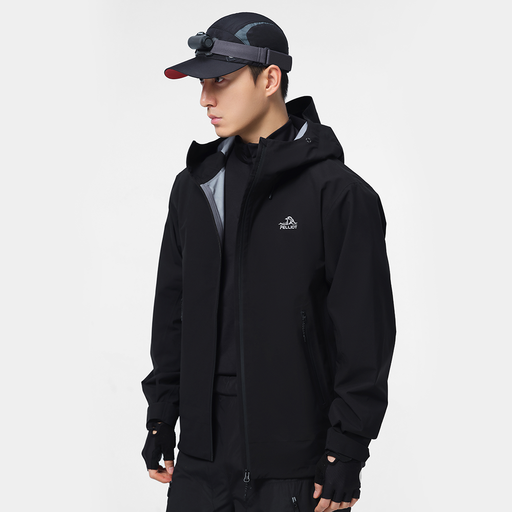
Why it suits this profile: According to the product description, this hardshell jacket is designed for trekking, strong winds and rain. The technical lining and hard-wearing fabric suit users looking for one outer layer for both the city and the trail.
The size chart lists the length, chest, shoulder and sleeve measurements. This allows you to check the fit rather than relying solely on the size letter.
Waterproof laminate according to the product information, a wind-resistant construction and a moisture-wicking technical lining.
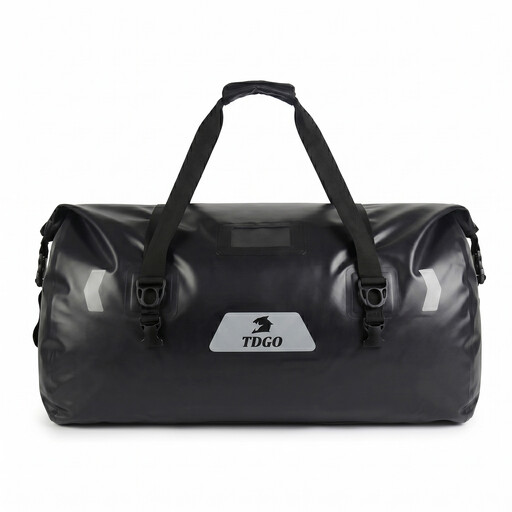
Why it suits this profile: The 66-litre capacity is suited to motorcyclists who want to carry extra clothing, travel essentials or camping equipment. The bag has a PVC construction, roll-top closure and reflective details.
The closure, dimensions and attachment method are described. The instructions warn against immersing the bag for long periods and advise checking the straps before every journey.
66-litre capacity, PVC material, roll-top closure, quick-release straps and reflective finish.
We have put together a complete, up-to-date list of products that fully meet these strict selection criteria and the applicable European safety regulations.
The lifespan of waterproof outdoor gear also depends on how well it is maintained. Wipe bags clean with a damp cloth after use and allow them to dry completely before storing them. Do not use aggressive cleaning products on PVC and avoid prolonged exposure to heat.
Wash a breathable rain jacket according to the care label. Fabric softener can affect the performance of technical materials. After a walk or motorbike journey, also check buckles, straps, seams and closures for signs of wear.
A waterproof rucksack is usually designed to be comfortable to carry and may have several compartments. A dry bag focuses mainly on sealing its contents, often with a roll-top closure. Always check whether the product is suitable for splashes, heavy rain or immersion.
For commuting or a short walk, 10 litres is often enough for items such as a jacket, water bottle and small accessories. For motorcycling and travel, 36, 66 or 86 litres may be more practical. Do not choose based on capacity alone: also check the dimensions, attachment system and weight.
A waterproof bag keeps rain out, but it can also trap moisture that was already inside the bag. Only store dry items, allow wet clothing to drain first and open the bag after use to air the contents and interior.
