
Vandaag of morgen in huis

Kwaliteit gegarandeerd

Welkomstaanbiedingen ontgrendelen: GRATIS bezorging | Tot 80% korting | Gratis 30 dagen JoyPlus-proefperiode
Download de app
Outdoor enthusiasts in the Netherlands know the problem: you set off in dry weather, but an hour later you’re dealing with rain, wind and damp clothing. Whether you’re walking, camping, travelling or running, waterproof outdoor clothing is a practical purchase. But a product name alone doesn’t tell you enough. A jacket labelled “waterproof”, for example, may offer little ventilation, while a breathable waterproof jacket isn’t necessarily warm.
Use these checks to avoid a costly mistake and choose the right option for you, whether that’s a waterproof jacket, a hardshell jacket, a fleece-lined jacket or a 3-in-1 outdoor jacket.
Water-repellent and waterproof don’t mean the same thing. A DWR coating may make raindrops roll off the surface for a while, but that doesn’t automatically mean the garment will keep you dry in prolonged rain. Check whether the description mentions a waterproof membrane, taped seams, a storm flap and an adjustable hood.
Zips and cuffs also deserve attention. Water can get in through openings, even when the outer fabric has a high hydrostatic head rating.
A hardshell jacket can keep out rain and wind, but body heat builds up quickly during a brisk walk or trail run. Look for a stated MVTR rating, ventilation zips or a fabric description that explains how it moves moisture. A breathable waterproof jacket won’t prevent you feeling damp in every situation; exertion, temperature and the layers you wear all play a part.
An outdoor jacket that’s too tight leaves little room for a fleece or insulating layer. One that’s too loose can let draughts in. Measure your chest, waist, shoulders and sleeve length, then compare them with the size guide for the specific product. Sizes vary between brands and models.
Check the sleeve length, adjustable hem and pocket placement too. These details matter more than colour alone when choosing walking and camping clothing.
Hydrostatic head, measured in millimetres of water pressure, gives an indication of how well the fabric resists water. A higher stated rating may be suitable for prolonged rain, but the overall construction is still important. Seams, zips and areas of wear all affect how a jacket performs outdoors.
According to the product description, the PELLIOT fleece-lined women’s jacket has a hydrostatic head of 35.900 mm H₂O and breathability of 16.000 g/m²/24 hours, measured according to JIS. These are the stated product specifications; performance in practice may depend on use and care.
For active use, moisture management is just as important as rain protection. A quick-drying T-shirt can work well as a base layer when you’re walking, cycling or camping. Bear in mind, though, that a technical T-shirt doesn’t replace a waterproof jacket.
According to the product information, the PELLIOT long-sleeved T-shirt uses Toray STORMDRY technology and POLYGIENE treatment. The description states a water spreading time of less than one second, an absorption rate of 243% and a drying rate of 0,38 g/h. These figures come from the manufacturer’s product information. The fabric is designed to manage moisture and dry quickly, not to act as a full outer layer in heavy rain.
A flexible layering system usually consists of:
A 3-in-1 outdoor jacket combines an outer layer with a removable inner layer. This is useful if you want to wear the same jacket in different seasons. Check how the layers attach to each other and whether you can wear them separately too.
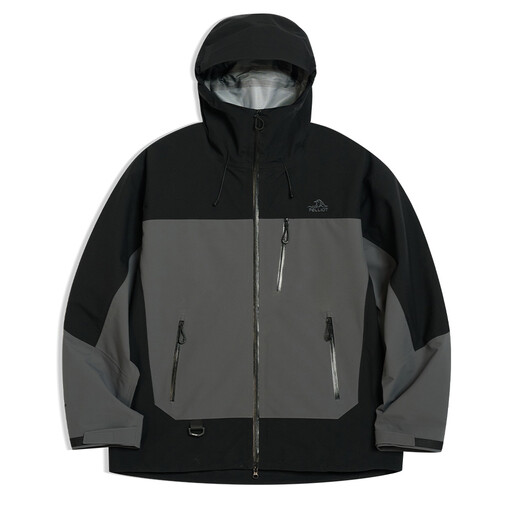
Why it suits this profile: A practical hardshell jacket for walking, travelling and camping in changeable weather. The unisex fit leaves room for a thin layer underneath.
The product description specifies waterproof, windproof and hard-wearing fabric. Be sure to check the size guide and care instructions before buying.
A waterproof hardshell construction, wind protection and a design described as suitable for both town and countryside.

Why it suits this profile: A versatile choice if you walk and travel regularly and want to combine layers in changeable conditions.
The 3-in-1 design means you can wear the layers separately. The product information specifies taped seams, ventilation zips and an adjustable hood.
According to the product description, the outer layer and inner jacket can be worn separately or together. The inner layer is stated to have 550 fill power down insulation.
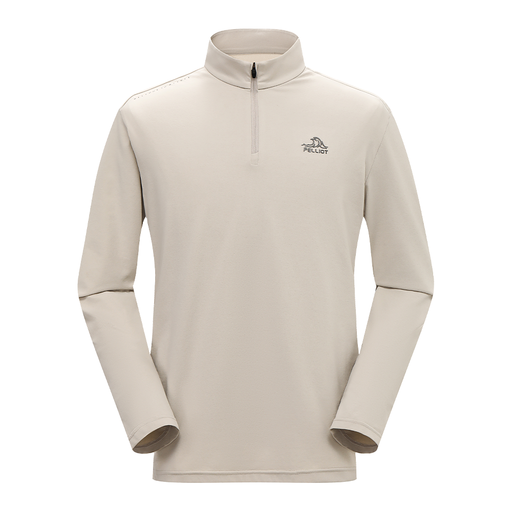
Why it suits this profile: Suitable as a base layer for trail running, trekking, travel and sports where quick drying matters more than full rain protection.
The product information makes clear that this is a moisture-managing base layer. Pair the T-shirt with a separate waterproof jacket in the rain.
Toray technical fabric, STORMDRY quick-drying technology and a treatment described as helping to reduce odours.
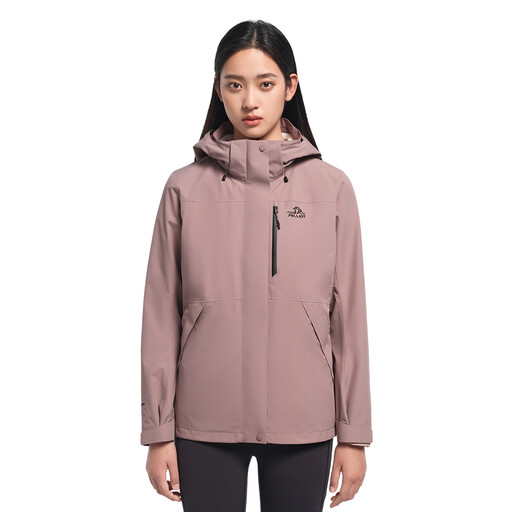
Why it suits this profile: A 3-in-1 outdoor jacket for camping, trekking and everyday wear when you need warmth, wind protection and versatility.
The outer layer, inner layer and combined option are described separately. That way, you don’t need to buy a different jacket for every kind of weather.
A stated hydrostatic head of 35.900 mm H₂O, an MVTR of 16.000 g/m²/24 hours and a removable warm inner layer.
We’ve put together a comprehensive, up-to-date list of products that meet these strict selection criteria and comply with the applicable European safety regulations.
Technical clothing needs care too. Fasten zips and hook-and-loop fastenings before washing, and use a mild detergent. Avoid bleach and always follow the care label. Some coatings can be reactivated with low heat, according to the product instructions, but only do this if the label says it’s safe.
Don’t wash a waterproof jacket more often than necessary. Hang it up to dry thoroughly after use and store it only when completely dry. Check the seams, cuffs and outer layer over time. If a jacket no longer repels water as well, it hasn’t necessarily worn out; the water-repellent finish may need care or reproofing.
That depends on the outer layer. Fleece itself provides warmth, but generally won’t keep out prolonged rain. In wet weather, choose a jacket with an explicitly waterproof outer layer and check the seams, hood and zips.
For active use, a layering system is usually practical: a quick-drying T-shirt as a base layer, fleece as a mid layer if needed, and the waterproof jacket as an outer layer. Avoid cotton as your first layer during intense activity, as it can hold on to moisture for longer.
Lifespan depends on use, friction, washing and care. A jacket that often rubs against branches or gets heavy use may wear out sooner. Follow the care instructions, let your clothing dry thoroughly and check the coating and seams regularly.
