
Vandaag of morgen in huis

Kwaliteit gegarandeerd

Welkomstaanbiedingen ontgrendelen: GRATIS bezorging | Tot 80% korting | Gratis 30 dagen JoyPlus-proefperiode
Download de app
Wet socks, slippery paths and sore feet can quickly ruin a walk. Yet choosing waterproof men's walking shoes is less straightforward than marketing copy might suggest. A high-cut shoe is not automatically fully waterproof, and a deep-tread sole does not offer the same grip on every surface.
Before you buy, pay particular attention to three common pitfalls:
Check the product description for a specific construction, such as a GORE-TEX membrane, rather than relying only on words such as “outdoor” or “protective”. According to the product information from the brands concerned, several models feature GORE-TEX for protection against rain and wet conditions. This remains a manufacturer’s product specification; actual protection also depends on wear, seams, the tongue construction and how you care for the shoes.
A leather model with a water-repellent finish, such as the Nike Manoa, may be suitable for cold and damp days. However, the product page specifies a water-repellent construction, not the same membrane structure as GORE-TEX walking shoes. This distinction matters if you often walk through wet grass, puddles or mud.
When choosing shoes for mud and rough terrain, look at:
Models with an aggressive tread, such as the Salomon Speedcross range, are designed according to the product description for soft, loose and muddy ground. For everyday use in town, such a sole may be unnecessarily coarse. Walking shoes with good grip should therefore be chosen based on your route, not simply on the number of lugs.
For snow and ice, a standard rubber sole is not always enough. According to the product information, the Salomon Spikecross 6 GTX models come with 12 tungsten-steel spikes. This makes them specifically suited to winter conditions; on wooden floors, tiles and a lot of tarmac, spikes are less practical.
A low-cut shoe usually offers greater freedom of movement and works well for light walks or trail running. Mid walking shoes partially cover the ankle and can provide more support and protection from stones and dirt. That does not mean they will automatically be more comfortable for every foot shape.
Pay attention to the following:
According to the product details, the Salomon X Ultra 4 Mid Wide GTX has been designed with a wider fit. This may be worth considering for walkers who experience pressure at the sides in standard models.
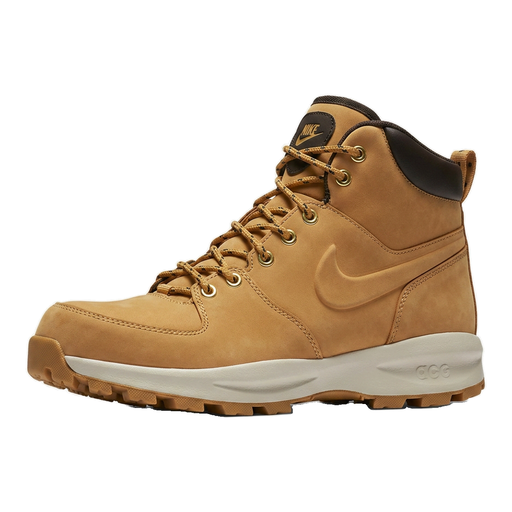
Why it suits this profile: This high-cut model combines nubuck leather, a rubber outsole and a cushioned insole. It is suitable for everyday winter wear and easy walks where ankle coverage is preferred.
The product information distinguishes between water-repellent and fully waterproof. This gives you a clearer idea of what to expect in rain and on wet paths.
Nubuck leather upper, high-cut design, cushioned polyurethane foam insole and rubber outsole.
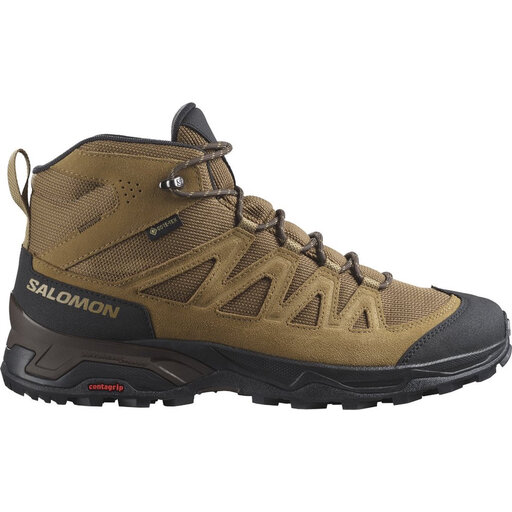
Why it suits this profile: This mid-cut hiking shoe is designed for long walks and more challenging paths. The combination of leather, GORE-TEX and a Contagrip outsole is well suited to changeable Dutch weather and uneven terrain.
The specifications mention both the GORE-TEX membrane and reinforced toe and heel areas. This means you do not have to rely solely on a general outdoor claim.
Leather upper, GORE-TEX membrane, mid-cut design and Contagrip rubber outsole.
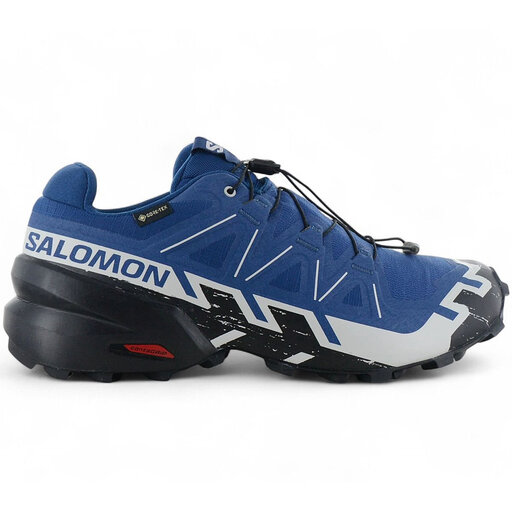
Why it suits this profile: Trail runners and walkers who regularly choose soft, muddy or technical paths get a lightweight model with GORE-TEX, an aggressive Contagrip tread and Quicklace.
According to the product description, the sole is specifically intended for soft and technical ground. This helps prevent you from buying a smooth city shoe for muddy conditions.
GORE-TEX membrane, Contagrip rubber, SensiFit fit and Quicklace fastening.
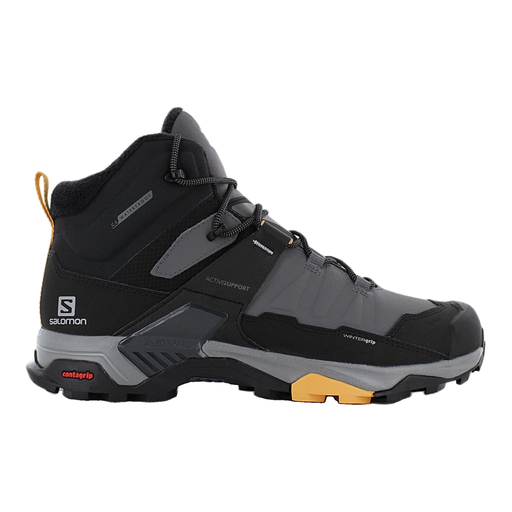
Why it suits this profile: For cold walks, snow and wet paths, this model features Thinsulate insulation, a waterproof construction and a Winter Contagrip sole, according to the product information.
The product details explicitly mention winter insulation and a sole designed for snow and ice. This makes its intended use clearer than with general men's trekking shoes.
Thinsulate insulation, mid-height design, waterproof construction and Winter Contagrip rubber.
We have put together a complete, up-to-date list of products that fully meet these strict selection criteria and the applicable European safety regulations.
Waterproof outdoor shoes need care too. Remove mud after every long walk with a soft brush or damp cloth. When cleaning leather, use only a suitable cleaner. Allow shoes to dry at room temperature and avoid radiators, hairdryers and direct sunlight. High temperatures can damage materials, adhesive bonds and membranes.
Lifespan depends on how often you walk, the terrain, your body weight, care and wear to the sole. Replace a pair when the tread has visibly worn down, the sole starts to come away or the inside has become permanently misshapen. According to the product information provided and EU consumer rules, the products mentioned come with a statutory minimum two-year guarantee; this is separate from normal wear and tear.
They can be, but pay attention to the sole and weight. A lightweight model, such as some men's trail running shoes, is more comfortable on mixed routes. A high-cut leather trekking boot offers more coverage, but may feel warmer and heavier on tarmac.
According to the product information, a GORE-TEX membrane is designed to keep water out, but overall protection also depends on the seams, tongue, wear and the depth of the water. No model can prevent water from entering from above if you step into a deep puddle.
Ideally, leave some room for your toes so they do not press against the front of the shoe on a descent. Your heel should still remain securely in place. Try the pair on with your walking socks and check the sizing information on the product page before ordering.
