
Vandaag of morgen in huis

Kwaliteit gegarandeerd

Welkomstaanbiedingen ontgrendelen: GRATIS bezorging | Tot 80% korting | Gratis 30 dagen JoyPlus-proefperiode
Download de app
A waterproof men's outdoor jacket can look suitable for all weather conditions on paper. In practice, though, you may find that it’s too warm for walking, doesn’t let enough air through on a climb or offers less protection than the product name suggests. Small details can make a big difference, especially in changeable weather, strong winds and prolonged rain.
So don’t rely on words such as “waterproof”, “all-weather” or “storm-proof” alone. Check the construction, size guide and intended use.
A product may be described as waterproof, even when information about its hydrostatic head, taped seams or water-repellent finish is missing. Without these details, it’s difficult to make an objective comparison of how well it performs in prolonged rain.
A men's hardshell jacket with laminated fabric and fully taped seams is generally a more sensible choice for heavy rain than an ordinary windbreaker. If it’s described only as “water-repellent”, it may be intended mainly for light showers.
A fleece-lined jacket or padded parka can be comfortable for commuting and relaxed travel. However, a thick lining can become too warm on a strenuous walk. Sweat then takes longer to escape, especially if there are no ventilation zips.
For trekking and energetic walks, a breathable walking jacket with room for a base layer is often more practical. Wearing a separate fleece or lightweight down jacket under a waterproof shell gives you more flexibility than relying on one heavy jacket for every season.
A jacket that fits well over a T-shirt may feel too tight over a fleece or insulating layer. Check the chest measurement, sleeve length and room around the shoulders. Also check whether the hood is adjustable and whether the cuffs and hem help keep out the wind.
Unisex styles may fit differently from jackets designed specifically for men. Always check the product measurements in centimetres, rather than relying on the letter size alone.
A walking rain jacket needs more than just a coating. Check the following:
Several of the products we refer to are described as waterproof, but a hydrostatic head rating isn’t listed for all of them. So don’t compare them on marketing language alone.
A men's windproof jacket protects you from draughts, but can feel warm when you’re active. For active use, look for:
“Breathable” doesn’t mean a jacket will remove all perspiration in every situation. According to PELLIOT’s own product information, the hardshell is designed to wick away moisture. However, the available description doesn’t give a standardised breathability rating. Treat this as product information, not a guarantee of performance in every situation.
A hardshell is usually an outer layer. Warmth comes from a fleece, synthetic insulating layer or lightweight down jacket. A 3-in-1 system combines several options, but is often bulkier than a separate shell.
According to the product description, the THE North Face Triclimate jacket in this selection consists of a protective outer layer and a separate down layer with 550 fill power. You can wear the two pieces separately or together. The description also mentions recycled polyester, a PFC-free water-repellent finish and Responsible Down Standard certification, reference CU 843098. Before buying, check that your chosen size leaves enough room for extra layers.
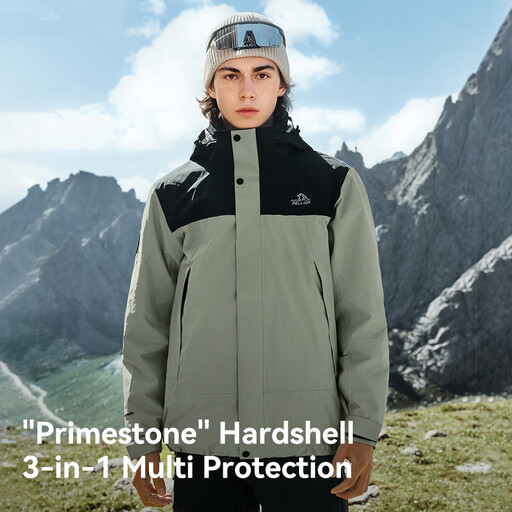
Why it suits this profile: The fleece lining and design for camping and travel make this a practical choice for everyday use, short walks and changeable conditions.
The product name mentions both a fleece lining and waterproofing. Before buying, check the full size guide and technical waterproofing details, as these aren’t included in the available description.
Fleece lining; designed for camping and travel; available in a clearly stated men's size.

Why it suits this profile: The combination of an outer layer and a separate down jacket is well suited to travel and outdoor activities in changing temperatures.
You can wear the layers separately. That means you don’t have to walk in one heavy, warm jacket when you only need protection from rain and wind.
550 fill power down; adjustable hood; underarm zips; taped outer seams; layers can be worn separately.
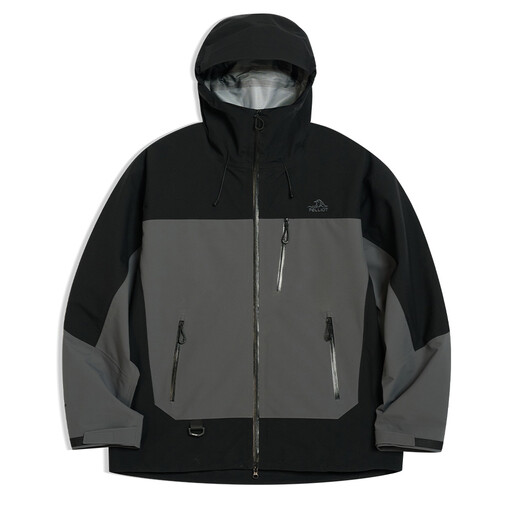
Why it suits this profile: According to PELLIOT’s own product information, this jacket is designed for rain, wind, trekking and rougher terrain. That makes it a good fit for strenuous walks and camping.
The description mentions windproof, waterproof and hard-wearing properties. Before buying, check the specific test ratings and follow the care instructions.
Chest and body measurements provided; choose a size to adjust the fit; described as breathable and hard-wearing; suitable for all genders.
We’ve put together a complete, up-to-date list of products that fully meet these strict selection criteria and the applicable European safety regulations.
A waterproof jacket will only stay functional if you care for it properly. Fasten the zips before washing, don’t use fabric softener and follow the label. Don’t wash a hardshell more often than necessary: cleaning can affect its water-repellent finish. Hang the jacket up after use, especially if it has become damp.
Also check regularly for:
A jacket with a damaged outer layer may offer less protection, even if the membrane inside is still intact.
Yes, if protection from rain and wind matters more to you than maximum warmth. For cycling or walking in cold conditions, you may need an extra fleece or thin insulating layer. If you wear the jacket every day, look for reflective details and enough room to move.
Choose a walking rain jacket with an adjustable hood, protected zips, taped seams and a fit that leaves room for a base layer. Ventilation options such as underarm zips are useful for active walking. If technical waterproof ratings aren’t available, your ability to compare jackets will be limited.
It depends on the temperature and how active you are. A moisture-wicking base layer, a fleece in cold weather and a hardshell in the rain make a flexible system. A fleece-lined jacket can be simpler for everyday use, while a 3-in-1 jacket gives you several ways to combine its layers.
