
Vandaag of morgen in huis

Kwaliteit gegarandeerd

Welkomstaanbiedingen ontgrendelen: GRATIS bezorging | Tot 80% korting | Gratis 30 dagen JoyPlus-proefperiode
Download de app
A waterproof men’s outdoor jacket needs to do more than keep out a passing shower in the UK. On a walk, bike ride or camping weekend, rain, wind and physical exertion can quickly take turns. A jacket that doesn’t breathe enough can feel clammy, while a warm jacket without proper rain protection can soon become uncomfortable.
Product descriptions often sound convincing, but not every claim tells the whole story. Focus on verifiable specifications, fit and the conditions you need the jacket for.
A waterproof label doesn’t automatically tell you how long a jacket can withstand heavy rain. Check whether the product information covers the hydrostatic head, seams, zips and adjustable cuffs. A high hydrostatic head is useful, but the jacket’s finish also affects how well it protects you.
A thick fleece lining or insulating layer can feel comfortable in winter, but excess heat can build up during a steep climb. As well as warmth, breathability is important for walking and trekking. For technical jackets, check the MVTR rating, usually measured in grams per square metre per 24 hours.
An outdoor jacket should leave room for a fleece or thermal layer underneath. If it’s too tight, it can restrict movement and compress the insulation. If it’s too loose, wind can get in. Use the size chart for the specific product and compare your body measurements with the jacket’s measurements.
The hydrostatic head indicates how much water pressure the fabric can withstand under the stated test method. According to the product information, the PELLIOT 3-in-1 jackets have a hydrostatic head of 35,900 mm H₂O according to JIS. This is a manufacturer’s product specification; actual protection also depends on wear, seams, zips and care.
For a waterproof walking jacket or a jacket for camping and trekking, an adjustable hood, cuffs and hem are useful. They help you seal openings around your body more effectively in wind and rain.
A breathable rain jacket lets moist air escape. According to the product description, the PELLIOT fleece-lined 3-in-1 jacket has an MVTR of 16,000 g/m²/24 hours according to JIS. This is relevant for intense activities, but it doesn’t guarantee that you’ll stay dry in every condition. High humidity, multiple layers and a rucksack can all affect comfort.
Also look for ventilation zips. According to the product information, the PELLIOT Rock Shell has longer zips under the arms. These can help release heat more quickly during exercise.
A hardshell jacket is mainly designed as a protective outer layer. You can choose a fleece or insulating layer to suit the temperature. A 3-in-1 outdoor jacket combines an outer layer with an inner jacket. You can wear the layers separately or together.
According to the product information, the PELLIOT fleece-lined jacket has an abrasion resistance of more than 40,000 rub cycles. Treat this as a verifiable fabric test result, not a promise that the jacket will remain undamaged in every condition. For rocky terrain, overhanging branches and frequent use, this kind of information is more useful than general claims such as “extra strong”.
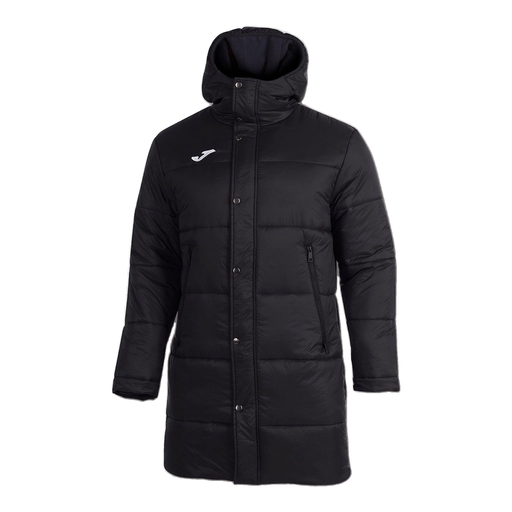
Why it suits this user: A practical choice for everyday wear, commuting and leisurely outdoor activities where warmth and pocket space matter.
The product information lists an insulated construction, an adjustable hood and cuffs, and a water-repellent outer layer. Before buying, check whether this is suitable for prolonged exposure to heavy rain.
Warm lining, multiple pockets and a classic fit for the city and everyday outdoor use.
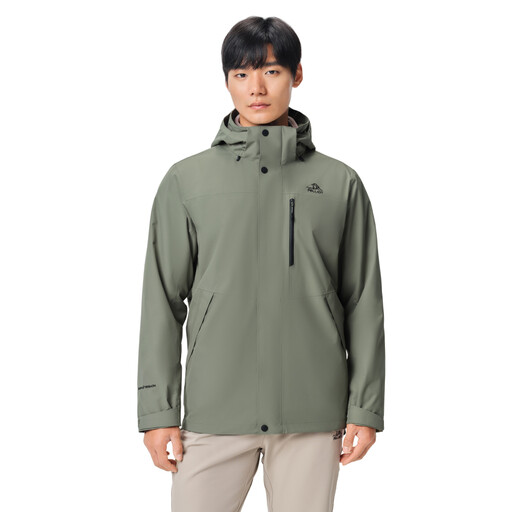
Why it suits this user: For anyone looking for one system for cold days, rain and different levels of activity while walking, camping and travelling.
The stated 3-in-1 design lets you wear the shell and inner layer separately. The size chart lists separate measurements for the outer jacket and inner jacket.
According to the product information: 35,900 mm hydrostatic head, MVTR of 16,000 g/m²/24 hours and more than 40,000 rub cycles.
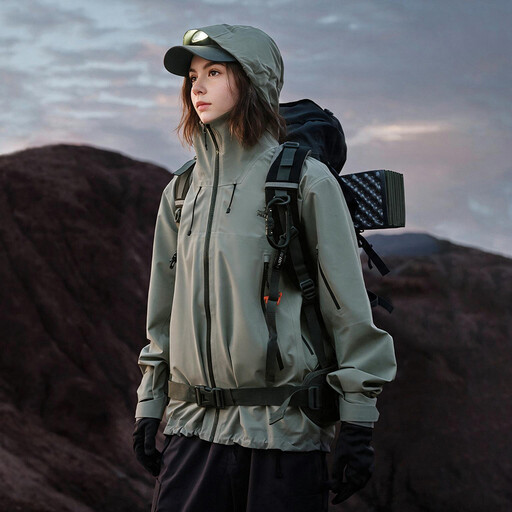
Why it suits this user: Designed for trekking, rocky terrain, winter sports and activities where ventilation, freedom of movement and protection from the wind are important.
The product description lists longer ventilation zips under the arms, a hard-wearing outer layer and a lightweight, stretchy fabric. These features support layering and active movement.
Unisex fit, chest or sleeve pocket for small items and, according to the product information, a RECCO reflector to help with search and rescue in mountainous areas.
Fasten the zips and hook-and-loop fastenings before washing your jacket. Always follow the care label. According to the product information, the PELLIOT models mentioned should be washed cold on a delicate cycle, not bleached, tumble-dried or dry-cleaned. Don’t use just any fabric softener; it can affect the performance of technical fabrics. Also check the seams, hood and water-repellent outer layer from time to time.
We’ve put together a complete, up-to-date list of products that meet these strict selection criteria and the applicable European safety regulations.
A hardshell is usually a protective outer layer. Wear it with fleece or insulating clothing when you need extra warmth. A 3-in-1 outdoor jacket already includes this layer, making it easier to adapt to changing temperatures.
Wash your jacket when it’s visibly dirty or no longer breathes as well. Washing it too often can cause unnecessary wear. Follow the care label and use a suitable cycle. Afterwards, check whether the outer layer still repels water, following the manufacturer’s care instructions.
Compare your chest, shoulder and sleeve measurements with the product’s size chart. If you’re between sizes, consider the layers you want to wear underneath and how much freedom of movement you need. Sizing charts vary between models, including unisex outdoor jackets.
