
Vandaag of morgen in huis

Kwaliteit gegarandeerd

Welkomstaanbiedingen ontgrendelen: GRATIS bezorging | Tot 80% korting | Gratis 30 dagen JoyPlus-proefperiode
Download de app
A waterproof men’s jacket needs to cope with more than a brief shower in the Netherlands. Whether you’re cycling to work, walking on the Veluwe or camping on the coast, you’ll encounter rain, wind and changeable temperatures. Yet a prominent label doesn’t always tell you how suitable a jacket really is.
So check the specifications you can verify, along with the fit and care instructions. Below, you’ll find common pitfalls, key technical features and some popular options for different uses.
A water-repellent outer layer initially makes raindrops roll off the fabric. That’s not the same as a jacket that keeps out prolonged rain. Check whether the product information mentions a waterproof membrane, taped seams or a hydrostatic head test.
A DWR finish — Durable Water Repellent — can also become less effective through washing, friction and wear. Some manufacturers recommend reproofing the jacket or using a specific drying programme. Always follow the care label.
A high hydrostatic head rating is relevant, but the seams, zips, hood and cuffs also affect how dry you stay. A jacket may have a robust outer fabric on paper, yet still be less practical if rain gets in through gaps around the wrists or neck.
So look for:
A thick men’s winter coat isn’t automatically suitable for a brisk walk or run. When you’re active, heat can build up and leave the inside feeling clammy. A breathable men’s rain jacket with zipped vents is more practical than a heavily insulated style in these conditions.
For a gentle commute or everyday wear, a fleece-lined men’s jacket may be more comfortable. If you often move between different temperatures, you could choose a men’s 3-in-1 jacket, which lets you wear the outer layer and lining separately or together.
Hydrostatic head is measured in millimetres of water pressure. A higher figure generally indicates greater resistance to water pressure, but the test method and construction still matter. According to the product information, the PELLIOT fleece jacket has a hydrostatic head of 35,900 mm H₂O according to JIS.
This figure comes from the brand’s product information and shouldn’t be taken as a guarantee for every weather condition. Also check how the seams and fastenings are finished.
Breathability is often measured as MVTR, in grams per square metre per 24 hours. A higher figure can help moisture vapour escape during activity, but how the jacket feels also depends on your clothing layers, the temperature, the wind and what you’re doing.
According to the manufacturer, the PELLIOT jacket mentioned above has an MVTR of 16,000 g/m²/24 hours according to JIS. For walking, camping and everyday wear, underarm ventilation or a well-adjustable fit is also useful.
On a men’s camping jacket or walking jacket, the shoulders, sleeves and hem are particularly prone to wear from rucksack straps, branches and everyday use. The PELLIOT product information gives an abrasion resistance of more than 40,000 rubbing cycles. This is a test result provided by the brand; always compare like-for-like test methods before drawing conclusions.
Also check:
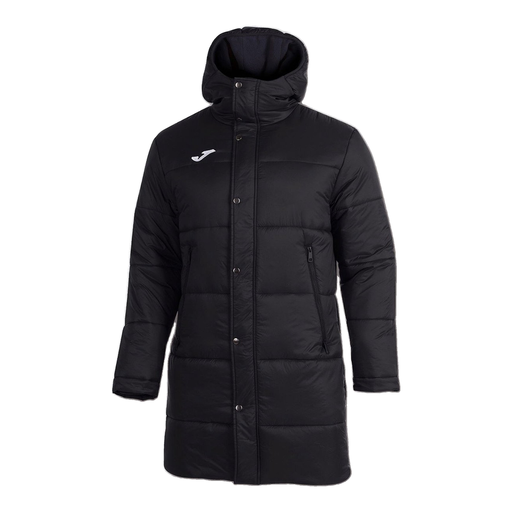
Why it suits this profile: This lined parka is designed for everyday wear and cold conditions. The hood, adjustable cuffs and multiple pockets make it practical for commuting and getting around town.
The product information describes a waterproof outer layer and an insulated construction. Before buying, check the exact sizing and care label.
Fleece lining, adjustable hood and cuffs, multiple pockets and a regular fit.

Why it suits this profile: The Triclimate 3-in-1 system is designed for changeable conditions. According to the product description, you can wear the outer layer and down jacket separately or together.
Taped outer seams, an adjustable hem and adjustable cuffs make the construction easier to assess than a jacket with only a general claim about rain protection.
Two layers, 550 fill power down according to the product information, taped seams and underarm zips for ventilation.
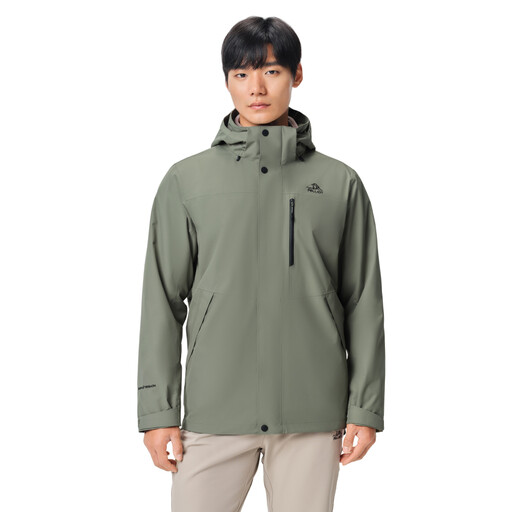
Why it suits this profile: According to the product description, this waterproof 3-in-1 men’s jacket is designed for camping, trekking and everyday wear. The shell and fleece lining can be used separately.
The product information gives separate figures for hydrostatic head, MVTR and abrasion resistance. This is more useful than relying on terms such as stormproof or outdoor alone.
35,900 mm H₂O, an MVTR of 16,000 g/m²/24 hours, an adjustable hood and a lining with thermal properties according to the brand’s information.

Why it suits this profile: According to the product description, this The North Face men’s jacket is designed for running and training. The standard fit, chest pocket and hand pockets are made for freedom of movement and practicality.
The product description specifies DryVent fabric with sealed seams and a DWR finish. These are specific construction features; check the care instructions to help maintain the finish.
100% recycled polyester according to the product information, sealed seams, elasticated cuffs and a standard fit.
We’ve put together a complete, up-to-date list of products that meet these strict selection criteria and comply with current European safety regulations.
Fasten the zips and hook-and-loop fastenings before washing, and use a mild detergent. Avoid bleach and follow the temperature guidance on the label. In most cases, hang the jacket up to air-dry. A DWR finish may need to be reactivated or reapplied over time, but only use a method approved by the manufacturer.
Its lifespan depends on how often you wear it, friction, washing and storage. A jacket regularly worn with a rucksack will wear more quickly around the shoulders and back. Hang it up to dry, don’t leave it damp for long periods, and check the seams, zips and coating regularly.
It can be, especially if you often encounter a mix of rain, wind and milder temperatures. The outer layer protects you from rain and wind, while the inner layer adds warmth. For high-intensity exercise, a separate breathable men’s rain jacket may be more comfortable; for everyday wear and travel, a 3-in-1 jacket offers flexibility.
