
Vandaag of morgen in huis

Kwaliteit gegarandeerd

Welkomstaanbiedingen ontgrendelen: GRATIS bezorging | Tot 80% korting | Gratis 30 dagen JoyPlus-proefperiode
Download de app
A waterproof men’s jacket needs to cope with more than a brief shower in the UK. Whether you’re cycling to work, walking in the countryside or trekking over hilly terrain, you’ll encounter rain, wind, perspiration and changing temperatures. Yet a bold claim such as “all-weather” means little if important specifications are missing.
Look out for these common pitfalls:
The hydrostatic head rating is usually expressed in mm H₂O. This is a laboratory measurement of the pressure the fabric can withstand before water seeps through. A higher rating can be useful in prolonged rain, when sitting down or when carrying a rucksack.
Also check whether the product description mentions:
Pay extra attention to a waterproof men’s outdoor jacket if there’s no information about the seams. A basic rain jacket may be enough for everyday commuting, while a jacket for trekking or camping needs to offer more protection.
A breathable men’s walking jacket helps moisture from your body escape. This is often shown as MVTR, for example in grams per square metre per 24 hours. Test methods and conditions can vary between brands, so only compare figures when the standard used is clear.
Look for practical ventilation too:
According to the product description for the PELLIOT fleece-lined 3-in-1 jacket, the stated hydrostatic head rating is 35.900 mm H₂O and breathability is 16.000 g/m²/24 uur, measured according to JIS. These are product specifications provided by the brand; they don’t mean every wearer will experience the same level of comfort in all conditions.
A warm men’s rain jacket isn’t always the right choice for strenuous activities. A fleece lining can feel comfortable on a chilly walk, while an unlined men’s hardshell jacket gives you more room for layering.
Consider how you’ll use it:
According to the product description for the PELLIOT 3-in-1 jacket mentioned above, the outer fabric has been tested to withstand more than 40.000 abrasion cycles. This is also a test result stated by the brand, not a guarantee of a specific lifespan in your particular conditions.
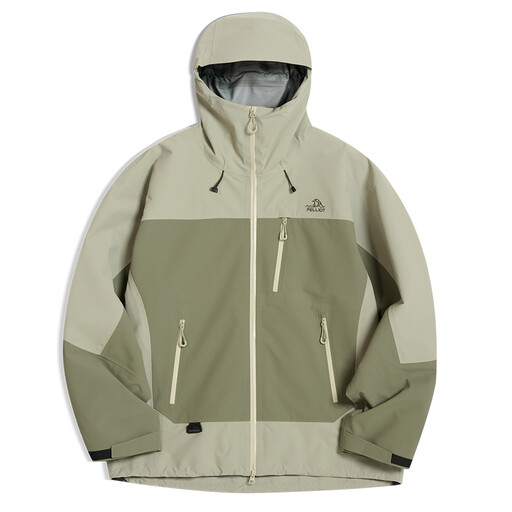
Why it suits this profile: This unlined hardshell is designed for anyone looking for a protective outer layer for city rides, walks and the occasional camping trip. There’s room to wear a warm layer underneath.
The product description specifies waterproofing, breathability, windproofing and abrasion resistance. Be sure to check the latest size and product information before buying.
Unlined outer layer, adjustable layering and a design suited to both the city and the outdoors.

Why it suits this profile: A good choice for anyone looking for a technical jacket for running, training and active days outdoors. Its standard fit is designed to keep you comfortable on the move.
The description mentions sealed seams, a hood and zipped pockets. These key construction details are clearer than they would be on a jacket described only as water-repellent.
According to the product information, the fabric is 100% recycled polyester with a non-PFC DWR finish, and it’s available in several sizes.
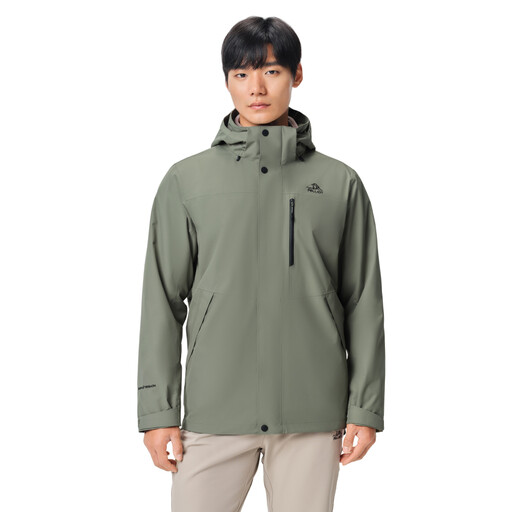
Why it suits this profile: This men’s 3-in-1 jacket is designed for camping, trekking and commuting in changing temperatures. According to the product description, you can wear the inner and outer layers separately or together.
The stated hydrostatic head rating, MVTR and abrasion test results offer more verifiable information than general terms such as outdoor or all-weather.
3-in-1 versatility, a stated hydrostatic head rating of 35.900 mm H₂O, and an adjustable hood, hem and cuffs according to the product information.
Where possible, measure your chest and compare it with the size chart for the specific product. Allow room for a fleece jacket or thermal layer. When you raise your arms, check that the sleeves stay long enough and the hem doesn’t ride up.
Care affects how well a jacket performs:
A waterproof trekking jacket isn’t automatically suitable for severe winter cold. In low temperatures, wear a hardshell over an insulating mid-layer, or choose a lined jacket if you’ll mainly be standing still.
We’ve put together a full, up-to-date list of products that meet these strict selection criteria and the applicable European safety regulations.
Choose a fit with enough room around the chest, shoulders and upper arms. Start with a moisture-wicking base layer, then add a fleece or insulating layer when it’s cold. A jacket that’s too tight can restrict movement and limit the effectiveness of ventilation openings.
That depends on how you use, wash and care for it, as well as how much friction it’s exposed to. Frequent contact with rucksack straps can put strain on the fabric. Check the seams, zips and water-repellent outer layer regularly. Follow the care label and only reproof the jacket if it’s suitable for the material.
Routine care usually involves washing according to the label and drying the jacket carefully. After extensive use, you may need to apply a new DWR treatment. The cost depends on the product you choose or whether you opt for a professional treatment. Clear care instructions can help you avoid unexpected costs.
