
Vandaag of morgen in huis

Kwaliteit gegarandeerd

Welkomstaanbiedingen ontgrendelen: GRATIS bezorging | Tot 80% korting | Gratis 30 dagen JoyPlus-proefperiode
Download de app
A waterproof men's jacket needs to do more in the Netherlands than simply withstand a brief shower. Whether you are cycling to work, walking through the dunes or camping in the Ardennes, you will encounter rain, wind, changing temperatures and perspiration. Even so, it can be difficult to distinguish marketing claims from useful product specifications.
A water-repellent jacket initially allows raindrops to roll off the surface, but that does not automatically mean the jacket will keep out prolonged rain. Check whether the product information mentions a waterproof membrane, welded or taped seams and a storm flap over the zip.
A Durable Water-Repellent finish, often abbreviated to DWR, helps shed water from the outer fabric. Its effectiveness can decrease with use and washing. According to the product information from The North Face, the DWR finish on certain models can be reactivated or maintained in accordance with the care label.
A thick puffer or parka can be comfortable while standing still waiting for the train, but when cycling, walking or trekking, excess warmth can quickly become uncomfortable. When choosing a breathable jacket, look for ventilation zips, a mesh lining or a technical membrane. These features help transport moisture, but your overall experience also depends on exertion, clothing layers and the weather.
You will often wear a waterproof men's jacket over a fleece, jumper or thermal layer. A close-fitting model can then restrict your freedom of movement. Do not just look at S, M or L: check the chest, shoulder width, sleeve length and jacket length in centimetres. With a hardshell, going one size up can be practical if you want to wear a thick mid-layer.
For everyday commuting, a jacket with a waterproof membrane and a well-finished zip may be sufficient. For trekking or prolonged rain, taped seams, an adjustable hood and a high collar are more important. Seams can be potential weak points where water may enter.
Also consider the difference between a men's rain jacket designed for light clothing and a hardshell intended to be worn over several layers. A hardshell is generally designed to protect against wind and rain, but offers little insulation on its own.
A windproof men's jacket does not always need to be heavily lined. A shell can be combined with a fleece or down jacket. A padded winter jacket or men's parka provides more direct insulation, but is less flexible when temperatures fluctuate.
A men's 3-in-1 jacket consists of an outer layer and an inner layer that can be worn separately or together. Check that both parts can be attached securely and practically, and that the insulating layer leaves sufficient room for movement.
For everyday use, zipped hand pockets, a chest pocket and an inside pocket are useful. For outdoor activities, also look for:
A modern appearance is a bonus, but practical details often determine whether an outdoor men's jacket remains useful in poor weather.
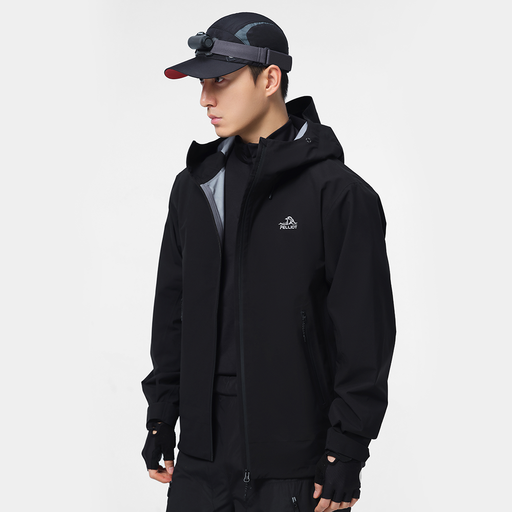
Why it suits this profile: This hardshell is designed for everyday use, walking and trekking. The product specification mentions a utility fit and provides specific measurements, making comparisons easier.
The description mentions a waterproof laminate, wind-resistant construction and hard-wearing fabric. However, check the current product information and sizing before buying.
Nylon or polyester blend with waterproof laminate, mesh or technical lining, and sizes from XS to XXL according to the product information.

Why it suits this profile: If you are looking for one jacket for several seasons, you can wear the outer layer and insulating inner jacket separately or together.
The product description mentions taped seams, underarm zips, adjustable cuffs and an adjustable hem. This means several practical rain protection and ventilation details are specified.
3-in-1 system, GORE-TEX outer material according to the product information, and an inner layer with a 550 fill power down specification.
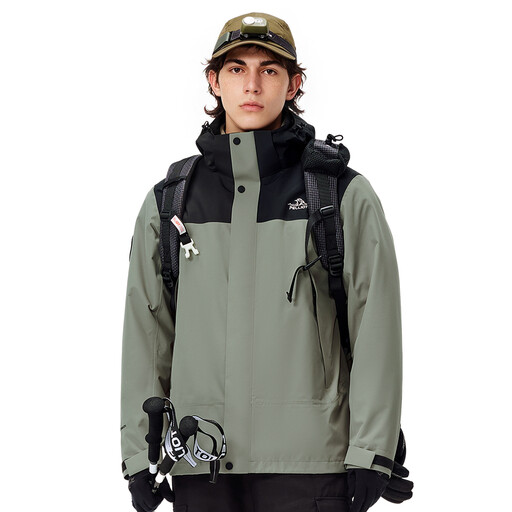
Why it suits this profile: This 3-in-1 jacket is designed for camping, mountain trekking and commuting, where layering and protection from changeable weather are important.
The description specifies a microporous waterproof membrane, taped seams and a separate thermal inner layer. The stated temperature ratings are brand claims and are not a guarantee for every user.
Shell and liner can be worn separately, hard-wearing outer fabric, and a size chart with body and garment measurements.
We have put together a complete, up-to-date list of products that fully meet these strict selection criteria and the applicable European safety regulations.
Measure your chest at the fullest point and take into account the clothing you will wear underneath. Then compare the size chart for the specific model. A jacket with a hood is more practical when the hood is adjustable and does not obstruct your vision.
Wash technical jackets according to the care label. Do not use fabric softener on models where it is not recommended, as this can affect the fabric's properties. Fasten zips and hook-and-loop fastenings before washing, and allow the jacket to air-dry if the product information instructs you to do so. A DWR finish is not a permanent property; care and conditions of use also play a part.
For short journeys and everyday use, a waterproof membrane with a protected zip may be sufficient. For trekking and prolonged rain, taped seams, an adjustable hood and ventilation options are important. Always check which specifications are actually stated in the product description.
Not always. A hardshell mainly protects against rain and wind and is usually combined with a fleece or insulating mid-layer. For cold, less active days, a padded men's parka or a 3-in-1 jacket is often a better choice.
Follow the care label, use only recommended detergents and avoid fabric softener when it is not advised. Allow the jacket to dry thoroughly and check whether the outer layer needs to be reproofed. Water repellency and complete waterproofing are different properties.
