
Vandaag of morgen in huis

Kwaliteit gegarandeerd

Welkomstaanbiedingen ontgrendelen: GRATIS bezorging | Tot 80% korting | Gratis 30 dagen JoyPlus-proefperiode
Download de app
In the Netherlands, a waterproof men’s jacket needs to do more than simply keep out a brief shower. Whether you’re cycling to work, walking in the Veluwe or spending a weekend camping, you’ll encounter rain, wind, changing temperatures and perspiration. The right jacket protects you from the weather without being unnecessarily heavy, warm or uncomfortable.
There are, however, several common pitfalls. A jacket may be described as waterproof when only the fabric repels water. Breathability and warmth are also regularly confused. Use the checks below to compare men’s outdoor jackets based on practical features rather than marketing claims.
A water-repellent outer layer initially causes raindrops to roll off the fabric. During prolonged rain, however, seams, zips and pocket openings may still allow moisture through. Check whether the product description refers to a waterproof membrane, taped seams or a fully protective hardshell construction.
A DWR finish, or Durable Water Repellent, helps move water away from the surface. That does not automatically mean the jacket will keep out prolonged rain completely. With intensive use, this finish may also need maintenance or re-treatment.
A thick men’s winter jacket retains warmth better, but can quickly become too hot during a brisk walk. A thin, breathable men’s rain jacket mainly protects against rain and wind, but offers little insulation. Consider your activity:
A jacket that fits tightly over a jumper leaves little room for layers and can pull across the shoulders when you move. On the other hand, a jacket that is too loose can let wind in through the hem and cuffs. Measure your chest and compare it with the size chart for the specific product. Sizes vary between brands and models.
Also pay attention to sleeve length, adjustable cuffs, the hood and the hem. You’ll quickly notice, especially when cycling or trekking, whether the jacket provides enough freedom of movement.
Look in the product information for a membrane, laminated outer layer and seam taping or taped seams. A hydrostatic head rating can help with comparisons, but only when the manufacturer clearly provides this figure. If that information is missing, base your choice on verifiable details such as the construction, zip protection and seams.
According to the product description, the PELLIOT hardshell comes with a waterproof laminated outer layer and taped seams. The manufacturer describes the model as wind-resistant and suitable for trekking. These are product claims made by the brand; check the current specifications and care instructions on the product page.
A windproof men’s jacket is not always completely waterproof. A densely woven outer fabric, adjustable cuffs and a drawcord in the hem reduce draughts. For active use, underarm zips or a breathable construction are useful, as they allow heat and moisture to escape more easily.
Bear in mind that “breathable” does not guarantee the same experience for every wearer. How dry you stay also depends on exertion, humidity, base layers and how you wear the jacket.
A fleece-lined jacket provides warmth straight away, while a separate fleece jumper is more flexible to combine with other layers. A down or synthetic inner jacket can be used as an insulating layer. With a 3-in-1 jacket, you can wear the outer layer in the rain, the inner layer in dry but cool weather and both layers in cold conditions. If temperature ranges are provided, check the recommended ranges. These are guidelines, not a guarantee for every wearer.
A hard-wearing outer fabric is important if you use a jacket for camping, climbing or walks through areas with dense undergrowth. Always follow the care label. Detergents, fabric softener, heat and drying can affect the water-repellent finish. Close the zips before washing and avoid bleach if the instructions advise against it.
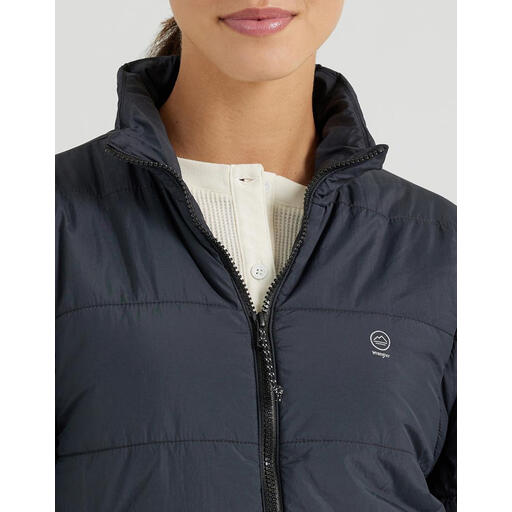
Why it suits this profile: A simple men’s outdoor jacket for everyday use and light rain, without a complex layering system.
The product description refers to protection against wind and light rain, not prolonged heavy rain. This makes expectations clear.
Hood, long sleeves, polyester outer fabric and a versatile design for everyday use.

Why it suits this profile: The Triclimate construction is designed for anyone who wants one system for different weather conditions.
According to the product description, the two layers can be worn separately or together. This means you do not need a separate jacket for every season.
Outer layer with taped seams, adjustable hood and an inner jacket with 550 fill power down, according to the product information.
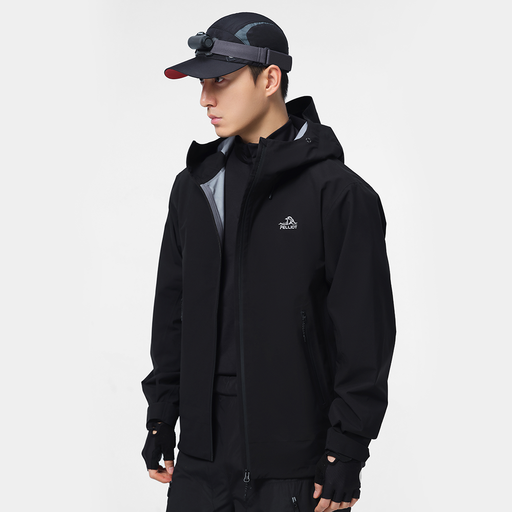
Why it suits this profile: Designed for trekking, water sports and intensive outdoor activities where a lightweight outer layer is needed.
The description refers to a hardshell, waterproof laminated layer, wind resistance and a moisture-wicking mesh or technical lining.
Hard-wearing fabric, sizes from XS to XXL and a design that, according to the product information, is suitable for urban use and mountain trails.
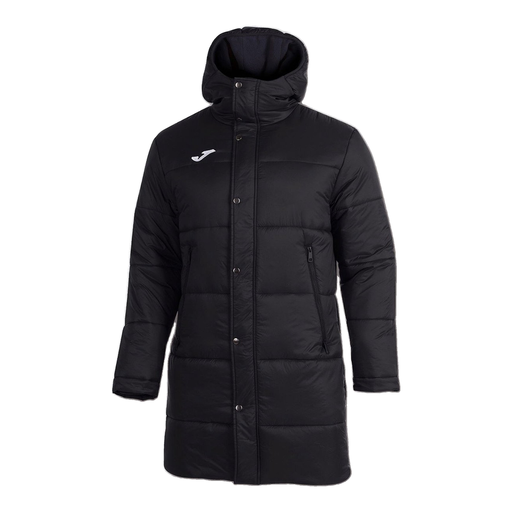
Why it suits this profile: A longer parka for cold days, commuting and relaxed outdoor use.
The product information lists an insulated construction, fleece lining and waterproof outer layer. Before buying, check the current sizing and care information.
Adjustable hood and cuffs, multiple pockets, nylon outer material and a regular fit.
We’ve put together a complete, up-to-date list of products that fully meet these strict selection criteria and the applicable European safety regulations.
Check whether the manufacturer specifies a waterproof membrane construction, taped seams or a waterproof rating. Terms such as “water-repellent” or “weather-resistant” alone do not provide a complete picture of performance in prolonged rain.
Its lifespan depends on use, friction, washing and care. A jacket used for camping or trekking will wear out more quickly when it comes into contact with rocks, branches and rucksack straps. Follow the care label and renew a water-repellent treatment only when the material and manufacturer allow it.
In addition to the purchase price, you may need to factor in care products, zip repairs and any re-treatment. A 3-in-1 jacket can be practical if you use one garment across several seasons, while a lightweight hardshell with a separate insulating layer offers greater flexibility. Choose based on how often you’ll use it, not just the price of the jacket.
