
Vandaag of morgen in huis

Kwaliteit gegarandeerd

Welkomstaanbiedingen ontgrendelen: GRATIS bezorging | Tot 80% korting | Gratis 30 dagen JoyPlus-proefperiode
Download de app
Wet feet, poor grip or sore ankles can quickly make a walk unpleasant. Yet not every boot labelled waterproof is suited to the same conditions. A lightweight style for a woodland walk is very different from sturdy hiking boots for trekking, winter trails or rocky terrain.
Look out for these three common pitfalls:
So, if you compare your options carefully, you won’t be choosing on brand or looks alone. Check the membrane, sole, cuff height, weight and available sizes.
Waterproof men’s hiking boots usually have a membrane between the outer layer and the lining. Several Salomon models use GORE-TEX. According to the manufacturer’s product description, this membrane is designed to keep water out while allowing water vapour to escape.
That makes GORE-TEX hiking boots a good option for rainy walks, wet grass and changeable weather. Also check:
For cold conditions, insulation may be more important than maximum breathability. According to its product description, the Salomon X Ultra 4 Mid Winter TS 413552 42 features Thinsulate insulation, a waterproof construction and a Winter Contagrip sole.
If you’re looking for hiking boots with good grip, don’t focus on the name of the rubber compound alone. The sole tread affects how the boot performs:
According to their product descriptions, trail running shoes such as the Salomon Speedcross models have an aggressive Contagrip tread designed for soft, muddy and technical terrain. This makes them a good option for runners and fast hikers, but not necessarily for everyday use in the city.
A good fit stops your foot sliding forwards on descents. When trying boots on, keep the following in mind:
Sizes vary by product. The range includes hiking boots in sizes 41, 42, 43, 44 and 46, among others. PELLIOT, for example, lists foot lengths in millimetres alongside EU sizes in its product information. If you’re between sizes, the product description for that model recommends considering the larger size.
A low-cut hiking shoe is practical for day trips and travelling. A mid-cut model offers more coverage around the ankle and can be more comfortable on uneven paths. For men’s mountaineering boots, sole stiffness, toe protection and support when carrying a heavy rucksack are also important.
Also consider the difference between:
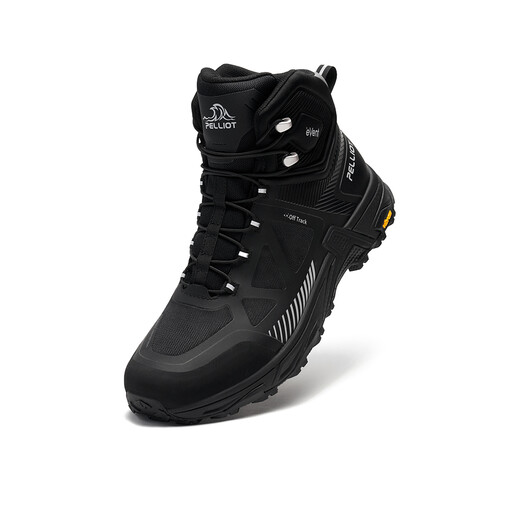
Why it suits this profile: The product description mentions a water-repellent construction, a protective toe cap and tread for different types of terrain. That makes these boots a good fit for beginner walkers, campers and casual hikers.
The listed specifications mention not only waterproofing, but also a protective toe cap and a treaded sole. Before buying, be sure to check the latest size chart and product information.
Hard-wearing synthetic outer, protective toe cap, waterproof membrane and available in EU size 42.
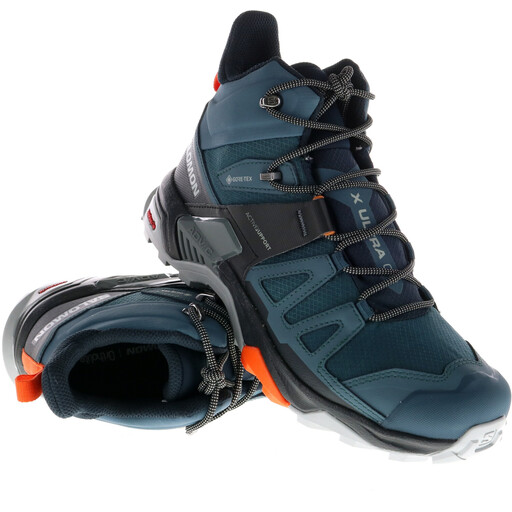
Why it suits this profile: According to the product description, this mid-cut model is designed for walking and outdoor activities. It features a GORE-TEX membrane, EnergyCell midsole and Contagrip MA outsole.
There’s more to consider than waterproofing: the product description also mentions a mid-cut design, cushioning and a sole suited to wet and dry surfaces.
GORE-TEX membrane, mid-cut design, Contagrip MA rubber and EnergyCell EVA midsole, according to the product specifications.
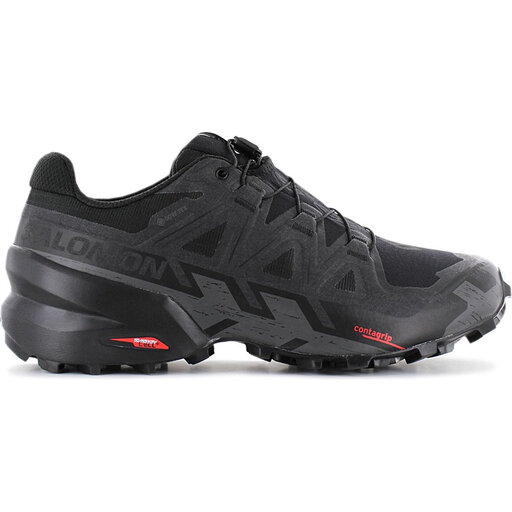
Why it suits this profile: According to the product description, this trail model is designed for muddy, loose and technical terrain. The combination of GORE-TEX, deep lugs, Quicklace and a supportive fit makes it a good match for trail running and demanding hikes.
The tread is clearly designed for soft and technical terrain. That makes it less likely to be the wrong choice than if you were using a trail sole mainly on tarmac.
GORE-TEX, aggressive Contagrip tread, Quicklace fastening and Sensifit fit, according to the product information.
We’ve put together a complete, up-to-date list of products that meet these strict selection criteria and the applicable European safety regulations.
That depends on the insulation and the sole. A GORE-TEX membrane helps keep out rain and wet snow, but it won’t automatically keep your feet warm. For cold conditions, winter hiking boots with an insulating lining, such as Thinsulate in certain models according to their product descriptions, are a better choice. Also check there’s room for thicker socks.
Their lifespan depends on how you use them, the terrain, your body weight, how well you care for them and how you store them. Walking long distances on tarmac can wear down a trail sole more quickly. After a wet walk, let your boots dry naturally, keep them away from direct heat and follow the manufacturer’s washing instructions. A worn tread or damaged membrane is a clear sign that it’s time for a new pair.
They can be, if you prefer a lightweight, flexible style and mainly walk on unpaved paths. For a heavy rucksack, rocky terrain or extra ankle support, mid-cut hiking boots or men’s mountaineering boots are often a better choice. So compare more than just the weight: consider cuff height, sole stiffness, protection and fit too.
