
Vandaag of morgen in huis

Kwaliteit gegarandeerd

Welkomstaanbiedingen ontgrendelen: GRATIS bezorging | Tot 80% korting | Gratis 30 dagen JoyPlus-proefperiode
Download de app
A good mattress is a significant investment in your quality of sleep. However, a small accident—like a spilled drink, night sweats, or a leaking diaper—can quickly ruin that investment. Stains and moisture penetrate deep into the mattress and are difficult to remove, which can lead to odours and an unhygienic sleeping environment. A waterproof mattress protector is a simple and effective solution to keep your mattress in pristine condition for years.
As a Joybuy Product Recommendation Officer, I'm here to help you make the right choice. In this article, we'll discuss what to look for and highlight several popular options based on their specifications and functionality.
The market offers many options, from a simple molleton to advanced protectors. These practical tips will help you find the protector that best suits your needs.
The material determines both comfort and effectiveness. Polyester is durable and often fully waterproof, but can sometimes feel a bit clammy. A cotton mattress protector feels more natural and softer against the skin.
The key is the combination of materials. A good breathable mattress protector has a waterproof bottom layer (often made of PU or TPU) and a comfortable, breathable top layer. This prevents moisture from reaching the mattress while still allowing air to circulate. This way, a hot, 'plastic' feeling is avoided, and you can sleep more comfortably.
Not all protectors are created equal. A traditional molleton is thick and absorbent but not fully waterproof. It slows down moisture absorption, but larger amounts will eventually leak through. A waterproof mattress protector has an impermeable layer that completely blocks liquids. This is essential for situations like mattress protection for incontinence or for young children's beds.
Additionally, the fit is important. A fitted sheet style, such as a 140x200 mattress protector with elasticated edges, envelops the entire mattress and stays securely in place. A model with elastic corner straps is easier to put on and take off and often fits mattresses of various thicknesses.
A mattress protector traps dirt, sweat, and dust mites. Therefore, it's important that it is a washable mattress cover. Always check the care label for the maximum temperature. Washing at 60 degrees is often effective against dust mites, which is a benefit for an anti-allergy mattress protector. Also, pay attention to the drying instructions; many waterproof layers cannot withstand the high heat of a tumble dryer. Air-drying extends the lifespan of the waterproof coating.
To help you with your choice, we have highlighted three products from LeBonsoir, each with unique features suited for different needs.
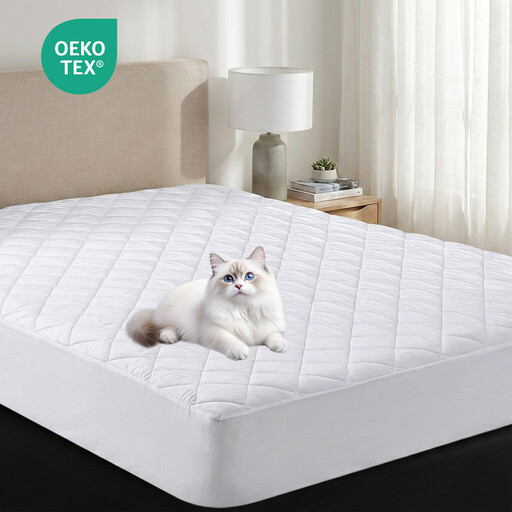
Why it stands out: This product focuses primarily on comfort. It's a quilted mattress topper that adds a soft, comfortable layer to your existing mattress. The grid-like stitching keeps the filling evenly distributed.
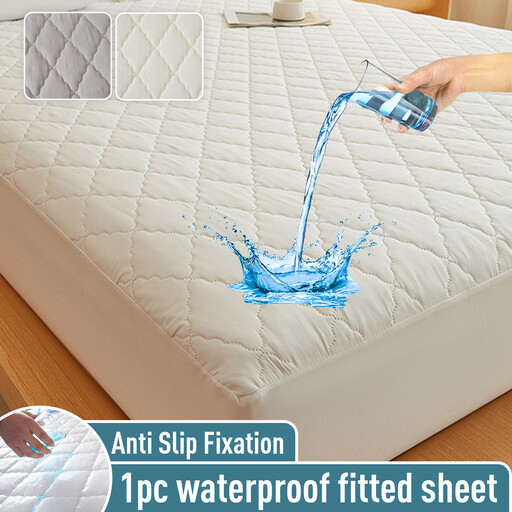
Why it stands out: This protector combines comfort with complete waterproof protection. The soft, quilted top ensures you don't feel the waterproof layer, while the fitted sheet style provides a snug and secure fit.
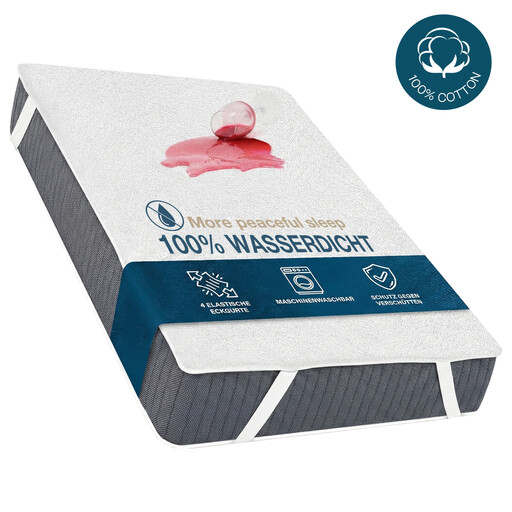
Why it stands out: This model offers the best of both worlds: a soft, skin-friendly top layer of 100% cotton and a fully waterproof, yet breathable, membrane layer. The fit with four elastic corner straps makes it highly versatile.
The right protection depends on your personal situation and mattress. Are you looking for a different size, a different material, or another type of bedding?
Explore our full range in the Home & Bedding category for more options.
A molleton is a thick, brushed cotton fabric primarily intended to absorb moisture and protect the mattress from wear. It can handle a small amount of liquid but is not impermeable. A waterproof mattress protector has a special coating or membrane (usually PU) that completely blocks liquids and prevents them from reaching the mattress.
This depends on the product. Always check the care label. Many waterproof protectors can be tumble-dried on a low temperature, but high heat can damage the waterproof layer. To maximise its lifespan, it is often recommended to air-dry the protector.
For general hygiene, it is recommended to wash your mattress protector every one to two months, along with your other bedding. After an accident involving liquids, such as a spill or incontinence, the protector should of course be washed immediately to prevent stains and odours.
