
Vandaag of morgen in huis

Kwaliteit gegarandeerd

Welkomstaanbiedingen ontgrendelen: GRATIS bezorging | Tot 80% korting | Gratis 30 dagen JoyPlus-proefperiode
Download de app
A good mattress is an investment in your sleep and well-being. To protect that investment, a waterproof mattress protector is a wise choice. A spilled drink, an accident from a child or pet, or night sweats can all compromise the lifespan and hygiene of your mattress.
However, the selection is vast, and the differences aren't always immediately clear. This guide is designed to help you choose a mattress protector that fits your specific needs. We'll look at the most important features and highlight several popular choices, so you can make an informed decision.
Before making a choice, it's helpful to consider a few key features. These determine how well the protector does its job and how comfortable it is to use.
The material of the top layer and the waterproof barrier are crucial. A cotton mattress protector feels soft and natural, while polyester is often durable and quick-drying. The waterproof layer, usually made of TPU (thermoplastic polyurethane), must block liquids. A good breathable mattress protector still allows air to pass through. This prevents a clammy, sweaty feeling, contributing to a comfortable night's sleep.
There are two main types of fastening systems:
A washable mattress protector is essential for good hygiene. Always check the care label for the maximum washing temperature. Regular washing helps remove dust mites, bacteria, and allergens. A protector that retains its shape and waterproof properties after multiple washes is a durable choice.
Based on product specifications and functionality, we have selected a few models that cover different needs.
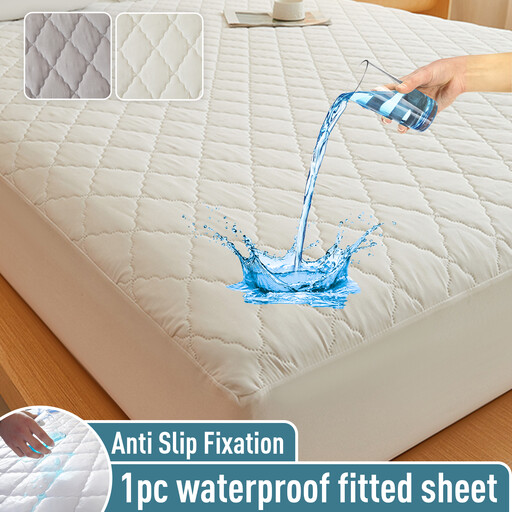
Why it stands out: This model combines a quilted, padded design with a fully waterproof bottom layer. It therefore offers both protection and a light touch of added comfort.
Pros:
Who is it for? Ideal for those seeking reliable protection with a bit of extra comfort. The fit is excellent for standard single beds, such as a 90x200 mattress protector for a child's bed or guest bed.
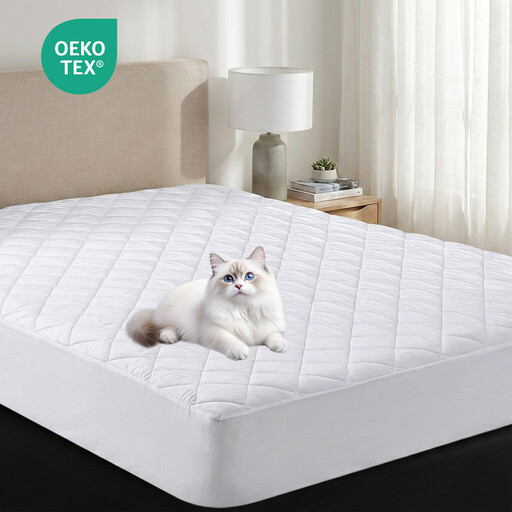
Why it stands out: This product is a mattress topper, designed to enhance sleep comfort by adding an extra soft layer. Note: this model is not waterproof.
Pros:
Who is it for? For anyone who finds their current mattress too firm and is looking for extra softness. It's a great choice if waterproof protection isn't a priority, but comfort is.
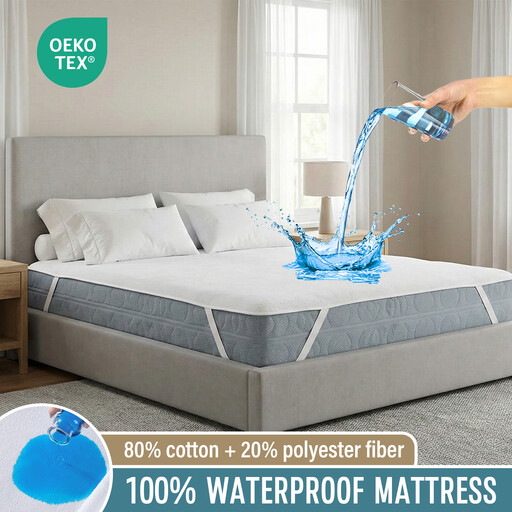
Why it stands out: The flexible attachment with four corner straps makes this protector universally compatible with various mattress heights. The cotton and polyester blend offers a balance between comfort and durability.
Pros:
Who is it for? A practical solution for those who want a protector that is quick to put on and take off. Useful for guest beds, in care situations, or for anyone wanting no-fuss protection for a 140x200 mattress protector.
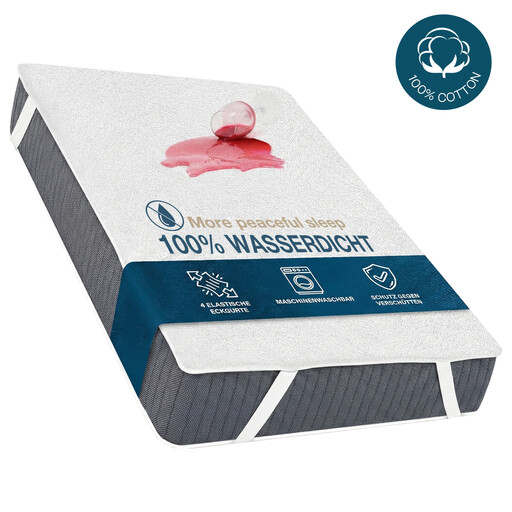
Why it stands out: The 100% cotton terrycloth surface feels natural, soft, and absorbent. According to the manufacturer, the design is noiseless, which prevents crinkling sounds during sleep.
Pros:
Who is it for? Perfect for those who prefer natural materials and are looking for a cotton mattress protector that isn't sweaty. An excellent choice for the master bed, for example, for a 180x200 mattress protector.
Can't find the perfect match for your bed here? No worries. There are more options available to suit different needs, sizes, and budgets.
? View our full range of mattress protectors and toppers
1. What is the difference between a mattress protector and a mattress topper? A mattress protector is primarily intended for protection: against liquids, stains, wear, and allergens. A mattress topper is a thicker layer you place on top of your mattress to increase comfort, for instance, to make a firm mattress softer. Some products combine both functions.
2. Isn't a waterproof mattress protector very sweaty? In the past, waterproof protectors had a reputation for being sweaty and crinkly. However, modern models use a breathable membrane (like TPU). This layer has microscopic pores that are large enough to let air and water vapour pass through, but too small for liquid droplets. This keeps the protector waterproof while still allowing perspiration to evaporate.
3. How often should I wash a washable mattress protector? For general hygiene, it is recommended to wash your mattress protector every one to two months, along with your pillows and duvet. After a spill, it's of course essential to wash the protector immediately to prevent stains and odours.
