
Vandaag of morgen in huis

Kwaliteit gegarandeerd

Welkomstaanbiedingen ontgrendelen: GRATIS bezorging | Tot 80% korting | Gratis 30 dagen JoyPlus-proefperiode
Download de app
A jacket described as waterproof on the product page is not automatically suitable for every British downpour. If you focus only on colour, brand or discount, you could end up with a jacket that starts leaking after a few walks, becomes too warm during exercise or leaves barely enough room for a jumper.
Pay particular attention to these three common pitfalls:
For a proper rain jacket or hardshell jacket, not only the outer fabric but also taped or sealed seams are important. Water can enter through stitched seams, even when the fabric itself allows very little water through.
Look out for terms such as:
A high hydrostatic head rating is useful for comparison, but real-world performance also depends on the construction, wear and tear, pressure from a rucksack and the condition of the coating. Always check the full product specifications.
During a brisk walk, running session or cycle ride, heat and moisture build up on the inside. A breathable jacket can help move this moisture outwards, but the result varies according to the material, activity and weather conditions.
Look for:
According to the product description, PELLIOT states a hydrostatic head rating of 35.900 mm H₂O and an MVTR of 16.000 g/m²/24 hours for a specific fleece-lined model, measured according to the JIS method mentioned there. These are product specifications taken from the brand or sales information, not a guarantee that every user will have the same experience.
An outdoor jacket should allow freedom of movement around the shoulders and arms. For commuting, a regular fit may be sufficient; for trekking or camping, extra room for a fleece gilet or insulating layer is often more practical.
Check the following before buying:
According to the size chart, a PELLIOT hardshell in size S has a chest measurement of 112 cm and a length of 72 cm. The brand recommends considering a larger size if you want to wear thick layers. Compare these measurements with a jacket you already find comfortable, rather than relying solely on S, M or L.
An outdoor jacket for trekking needs different features from a jacket for everyday use. A rain jacket with a lightweight shell is easy to pack away, but provides little warmth. A winter coat or parka is more comfortable in low temperatures, but can feel too warm during exercise.
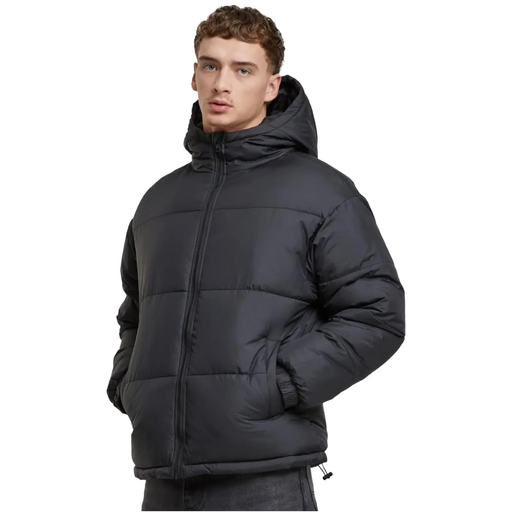
Why it suits this profile: This puffer jacket is designed for everyday use and cold days. The hood and polyester filling provide practical warmth for city journeys and short walks.
The material information is specific: a polyamide outer layer and polyester filling. However, note that the product information positions this as a winter coat, not a technical rain jacket.
100% polyester filling, hood and machine washable according to the product information.
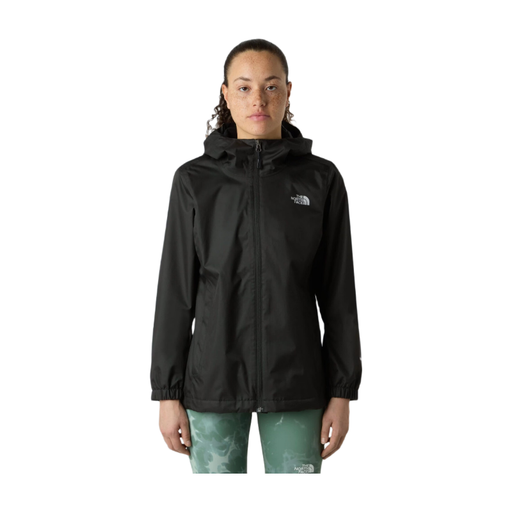
Why it suits this profile: According to the product description, the Quest Jacket is designed for walking and changeable weather, with a women’s size chart and a regular fit.
According to The North Face’s own product information, the jacket has fully sealed seams and DryVent fabric with a DWR finish. Check the care instructions to maintain its water-repellent performance.
Adjustable hood, elasticated cuffs, adjustable hem and mesh lining according to the product description.
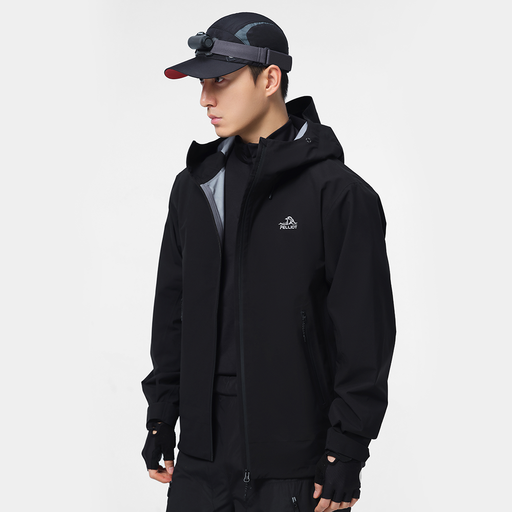
Why it suits this profile: According to the product description, this unisex hardshell is designed for trekking, rougher terrain and everyday commuting.
The product information mentions wind resistance, a waterproof laminate layer, breathable technical fabric and hard-wearing material. These claims come from PELLIOT’s product description.
Hard-wearing material, adjustable fit and sizes XS to XXL according to the stated size chart.

Why it suits this profile: The Triclimate construction combines an outer layer with an insulating inner jacket, which can be worn separately or together.
According to The North Face’s product information, the outer layer has taped seams, a GORE-TEX fabric construction and a PFC-free DWR finish. Check the current product details before buying.
Two layers, 550 fill power down according to the product information and underarm ventilation zips.
We have put together a complete, up-to-date list of products that fully meet these strict selection criteria and the applicable European safety regulations.
The performance of waterproof jackets declines when dirt, detergent residue or wear and tear damage the coating. Always follow the care label, and fasten zips and hook-and-loop closures before washing. Do not use fabric softener if the product information advises against it. Allow the jacket to air-dry, and only reapply a DWR finish if permitted by the care label.
Also watch out for abrasion caused by rucksack straps and sharp branches. A hardshell may be hard-wearing, but no jacket is immune to damage. Store the jacket dry and avoid keeping it compressed in a bag for long periods.
A rain jacket is usually a lightweight outer layer for precipitation. A waterproof jacket may also feature taped seams, a membrane, wind protection and ventilation. Always check that these features are actually stated in the product description.
Not always. A lightweight hardshell mainly protects against rain and wind and is often combined with a fleece or insulating layer. A winter coat, parka or 3-in-1 jacket generally contains more insulation, but may feel warmer during intensive exercise.
Measure your chest or bust and compare it with the size chart for the specific model. Allow room for a mid-layer. With unisex jackets and outdoor models, shoulder width, sleeve length and garment length may fit differently from a regular women’s or men’s jacket.
