
Vandaag of morgen in huis

Kwaliteit gegarandeerd

Welkomstaanbiedingen ontgrendelen: GRATIS bezorging | Tot 80% korting | Gratis 30 dagen JoyPlus-proefperiode
Download de app
A waterproof jacket may seem easy to choose at first glance. Yet many disappointing purchases are caused by marketing terms that say little about everyday use. For example, a jacket may be described as “water-repellent” even though it is not designed for prolonged rain. A hardshell jacket may also provide excellent protection against wind, but feel too warm or stuffy during a strenuous walk.
For commuting, cycling, camping or trekking, three things are particularly important: how well the jacket keeps water out, how effectively it lets moisture escape and whether the fit leaves room for layers. Below, you can read what to look for when comparing a waterproof outdoor jacket, rain jacket or winter coat.
A Durable Water-Repellent finish, often abbreviated to DWR, helps raindrops roll off the outer material. However, this is not the same as a fully waterproof construction. Check whether the jacket has a waterproof membrane and taped or sealed seams.
For a short bike ride, a simple rain jacket may be sufficient. If you plan to walk for longer periods or camp in wet conditions, a hardshell jacket with clear technical specifications will be a better choice.
A breathable jacket moves perspiration away from the body, but the result depends on exertion, temperature, base layers and ventilation. According to PELLIOT’s own product information, the women’s fleece-lined jacket has a stated breathability rating of 16.000 g/m²/24 hours, measured according to JIS. This figure is more useful than the word “breathable” alone, but it still does not guarantee the same level of comfort for every wearer.
Also look for ventilation zips, mesh lining and the option to wear the jacket partially open. This can make a real difference, particularly when trekking or cycling.
A waterproof jacket should fit close to the body without restricting your freedom of movement. If it is too tight, there will be little room for a fleece or thermal layer. If it is too loose, draughts may get in and the hood may be less stable.
Measure your chest and arm length, then compare these measurements with the size chart for the specific product. Sizes vary between brands and models. For example, size S of the PELLIOT hardshell is listed with a chest measurement of 112 cm and a sleeve length of 62 cm. If you want to wear thick mid-layers, the product information suggests considering one size larger.
Hydrostatic head is expressed in millimetres of water pressure. A higher figure generally indicates greater resistance to water pressure, for example in heavy rain or when a rucksack presses against the fabric. Also look for:
According to PELLIOT’s own product information, the women’s fleece-lined jacket has a hydrostatic head of 35.900 mm H₂O and an abrasion resistance of more than 40,000 rub cycles. Use figures like these as a point of comparison, not as a promise that the jacket will keep you dry in every circumstance.
A lightweight hardshell jacket mainly protects against rain and wind. Your warmth then comes from the layers underneath. This makes a walking jacket versatile in changing temperatures.
A 3-in-1 jacket consists of an outer layer and a removable inner layer. You can wear the shell, the lining or both together. According to PELLIOT’s own product information, the model in question is designed for shell-only, liner-only or combined use. However, check that the stated temperature ranges are suitable for your activity, clothing layers and personal preferences.
A lined winter coat or parka is more practical for everyday use in the city, but may feel warm more quickly during intensive trekking.
Many waterproof jackets use polyester, nylon or polyamide with a laminated layer. Cleaning affects performance. Always wash the jacket according to the care label and do not use fabric conditioner if the manufacturer advises against it. A DWR finish may become less effective over time; some brands recommend reproofing.
According to The North Face’s own product information, various models use recycled polyester and a Non-PFC DWR finish. This tells you something about the material and finish, but not automatically about the product’s overall lifespan or environmental impact.
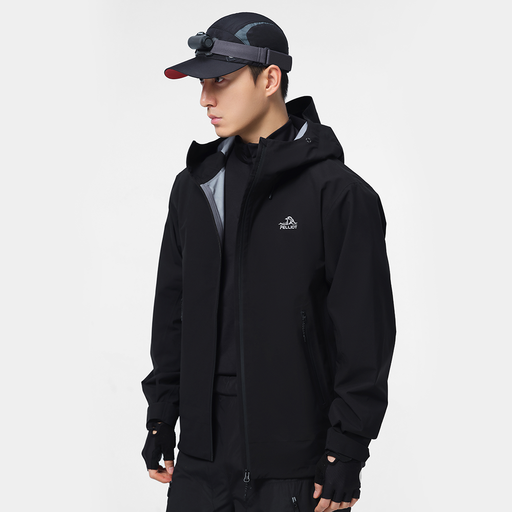
Why it suits this profile: This unisex hardshell jacket is aimed at anyone looking for a single lightweight outer layer for commuting, walking and occasional outdoor activities. The black version is easy to coordinate with other clothing.
The product information describes a waterproof, wind-resistant hardshell with a breathable technical lining. Check the current specifications and sizing before buying.
Unisex fit, hard-wearing outer material according to the product description, and a stated chest measurement of 112 cm in size S.

Why it suits this profile: This women’s jacket is designed for walking and everyday use in changeable weather. Its fit and features focus on practical use without an additional inner jacket.
According to The North Face’s own information, the jacket has fully sealed seams and a DryVent outer layer with waterproof, wind-resistant and breathable properties.
Adjustable hood, elasticated cuffs, adjustable hem and two zipped pockets. According to the product information, the shell is made from 100% polyester.
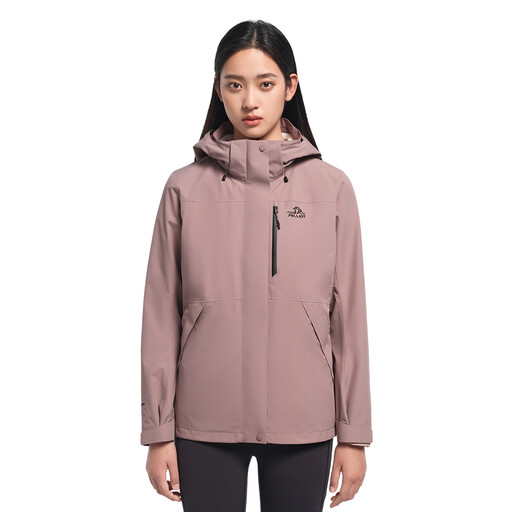
Why it suits this profile: This women’s jacket is a good option for camping, trekking and cold-weather commuting, where a separate shell and warm inner layer are practical.
The product information mentions a 3-in-1 system, adjustable hood, hem and cuffs, as well as a stated hydrostatic head. The inner layer can be worn separately.
According to PELLIOT’s own testing: 35.900 mm H₂O hydrostatic head, 16.000 g/m²/24 hours breathability and more than 40,000 abrasion-resistance cycles.
We have put together a complete, up-to-date list of products that fully meet these strict selection criteria and the applicable European safety regulations.
Its lifespan depends on use, friction, washing and care. A jacket that is frequently worn under a heavy rucksack will wear more quickly around the shoulders and hips. Check the seams, zips and outer finish regularly. Follow the care label and only use a reproofing product suitable for the material.
Not always. A lightweight hardshell jacket keeps out rain and wind, but provides little insulation. Combine it with a fleece or down layer in cold weather. A lined winter coat or 3-in-1 jacket is more practical if you want warmth and protection in a single garment.
The price depends on the material, seam finishing, brand, lining and technical specifications. Do not compare the price alone; also consider hydrostatic head, breathability, size range, care requirements and warranty. For occasional use, a simple rain jacket may be sufficient; for intensive trekking, a technical waterproof outdoor jacket may be the more logical choice.
