
Vandaag of morgen in huis

Kwaliteit gegarandeerd

Welkomstaanbiedingen ontgrendelen: GRATIS bezorging | Tot 80% korting | Gratis 30 dagen JoyPlus-proefperiode
Download de app
In the Netherlands, a waterproof jacket needs to do more than simply withstand a brief shower. Whether you are cycling to work, walking in the Veluwe or spending a weekend camping, you may encounter rain, wind, changing temperatures and sometimes strenuous activity. Yet an impressive product name tells you little about the protection you will actually get.
The main pitfalls when buying a waterproof jacket are:
Do not look only at the material, but also at the finishing. Taped or fully sealed seams reduce the risk of rain entering through the stitched seams. A storm flap behind the zip, adjustable cuffs and a drawcord in the hem provide extra protection against wind and rain.
A waterproof jacket for everyday use does not need to have the same construction as a trekking jacket. For long walks, camping and water sports, a hardshell with a waterproof membrane and carefully finished seams is a more logical choice. Also check whether the manufacturer specifies a hydrostatic head rating, membrane type or another measurable specification. If such information is missing, be cautious about very definite claims.
A breathable jacket allows moist air to escape from the inside to the outside. This is important when cycling, walking and hiking uphill. Product descriptions sometimes use terms such as “high moisture breathability” or refer to proprietary technology. According to PELLIOT’s product description, STORMS BREATH technology is designed to combine waterproofing with moisture transport. This is a claim from the brand’s product information, not an independent measurement.
Also consider the ventilation options. According to the product description, The North Face Triclimate jacket for men has ventilation zips under the arms. These zips can be useful when you pick up the pace, even if the jacket itself already uses a breathable material.
A 3-in-1 jacket generally consists of an outer layer and a removable inner layer. You can wear both layers together in cold weather or use them separately in milder conditions. This makes the jacket versatile, but check that both parts fit properly on their own.
For a winter coat or fleece-lined jacket, the insulation, cuffs and hood are more important than thickness alone. Synthetic filling is practical for everyday use and easy to care for. Down can be lightweight and warm, but requires extra care when it comes to moisture and washing instructions.
Measure your chest and compare it with the size chart for the specific model. Sizes vary between brands and models. Only choose a larger size if you genuinely intend to wear a thick mid-layer underneath.
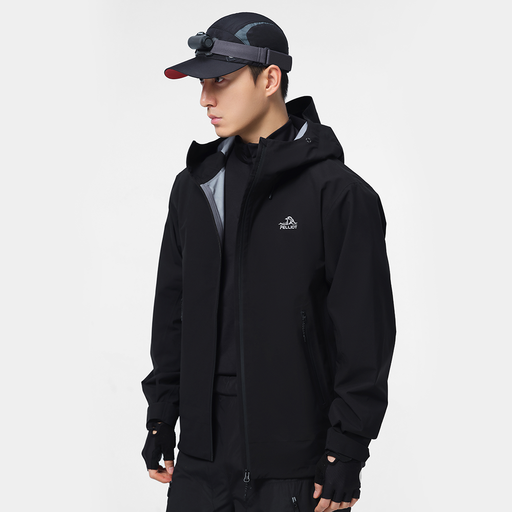
Why it suits this profile: This unisex hardshell is designed for rainy commutes, walking and recreational outdoor activities. The product information describes a utility fit for use in the city and on trails.
The product description mentions a waterproof laminate layer, wind-resistant construction and breathable technical fabric. However, check the current size chart and care instructions.
Hardshell design, abrasion-resistant outer fabric according to the product information, and sizes from XS to XXL.

Why it suits this profile: According to the product description, this waterproof jacket for men combines an outer layer with a warm down inner jacket. It is suitable for users who want one system for everyday wear and cold-weather outdoor activities.
The product information mentions taped seams, an adjustable hood, adjustable hem and cuffs. The layers can be worn separately or together.
3-in-1 system, GORE-TEX outer material according to the product information, and 550 fill power down insulation.
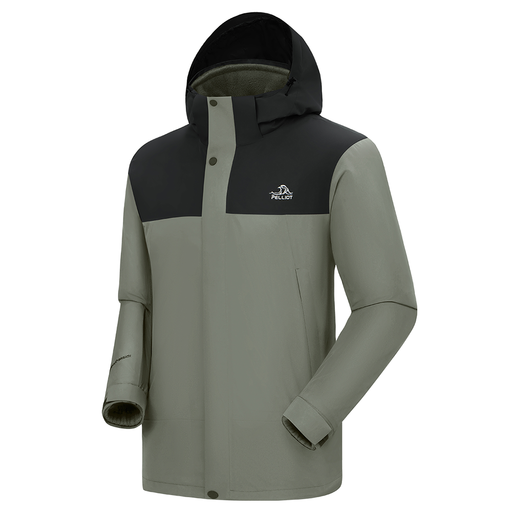
Why it suits this profile: The 3-in-1 design is practical for camping, trekking and commuting in changing temperatures. According to the product description, the outer layer and fleece-lined inner layer can be worn separately.
The product information mentions a microporous membrane, seam taping and a hard-wearing outer fabric. The stated temperature ranges are brand information and depend on activity, clothing layers and personal preference.
3 wearing configurations, adjustable sizing from S to XXXL, and care advice recommending cold washing.
We have put together a complete, up-to-date list of products that fully meet these strict selection criteria and the applicable European safety regulations.
A waterproof jacket will continue to perform better when you follow the care label. Close the zips before washing, do not use bleach and avoid fabric softener if the manufacturer advises against it. Air-drying is often safer than exposure to high heat. An outer layer with a DWR finish may need to be treated again after frequent washing, in accordance with the brand’s instructions.
After a season, check the seams, zips, hood and cuffs. Small areas of damage on a hardshell jacket can sometimes be repaired using suitable repair material. Store the jacket somewhere dry and clean; keeping it damp for long periods can cause odours and material problems.
Not always. A hardshell jacket mainly protects against rain and wind, but often provides little insulation. In cold weather, wear a fleece or padded mid-layer underneath. A 3-in-1 jacket combines these functions in one system.
For gentle walks, a rain jacket with a hood, adjustable cuffs and enough room for a mid-layer is often sufficient. For longer walks or trekking, breathability, ventilation zips, taped seams and hard-wearing fabric are more important.
Wash the jacket when it is visibly dirty, no longer breathes as well or develops an unpleasant smell. Washing it too frequently can put more strain on the water-repellent finish. Always follow the care label and the manufacturer’s specific instructions.
