
Vandaag of morgen in huis

Kwaliteit gegarandeerd

Welkomstaanbiedingen ontgrendelen: GRATIS bezorging | Tot 80% korting | Gratis 30 dagen JoyPlus-proefperiode
Download de app
In the Netherlands, a good jacket needs to cope with more than a brief shower. When cycling, walking or camping, rain, wind and temperatures can change quickly. However, you do not automatically get better protection just because a product uses big claims such as “stormproof” or “all-weather”. The details in the product information determine whether a jacket is suitable for how you plan to use it.
An outer layer with a DWR coating initially causes raindrops to roll off the fabric. This is different from a waterproof membrane with sealed seams. For longer walks or commuting in persistent rain, the construction, zips and seams are particularly important.
A high value in millimetres sounds convincing, but practical protection also depends on the seams, hood, cuffs and wear. So check whether the manufacturer refers to taped or sealed seams and how the jacket should be cared for. A coating can become less effective through washing and use.
A rain jacket is usually a shell: it protects against rain and wind, but it is not automatically a winter coat. A fleece-lined jacket or 3-in-1 jacket combines an outer layer with an insulating inner layer. For intensive walking, a thick lining may actually become too warm. Consider your activity and the space available for layering.
The hydrostatic head indicates how much water pressure a fabric can withstand according to a specific test. The product information for the PELLIOT women’s fleece-lined jacket, for example, states a rating of 35,900 mm H₂O according to JIS. This is a product specification from the brand description, not a guarantee that the jacket will keep you dry in every situation.
Also look out for:
Breathability is often stated as MVTR, measured in grams per square metre per 24 hours. According to the product description, the PELLIOT fleece-lined jacket has an MVTR of 16,000 g/m²/24 hours according to JIS. This value provides an indication of moisture transport through the material. The actual experience also depends on temperature, exertion, clothing layers and ventilation options.
A breathable jacket with underarm ventilation zips can be more practical for trekking than a heavily lined jacket without additional ventilation.
Measure your chest and compare it with the size chart. Allow extra room if you want to wear a fleece or jumper underneath the jacket. A jacket that is too tight restricts freedom of movement and can reduce the effectiveness of ventilation openings.
Also check the material:
A windproof jacket without insulation is suitable as an outer layer. For cold days, a winter coat, fleece-lined jacket or 3-in-1 system may be a more logical choice. A trench coat or padded jacket for the city does not automatically offer the same rain protection as a technical rain jacket.
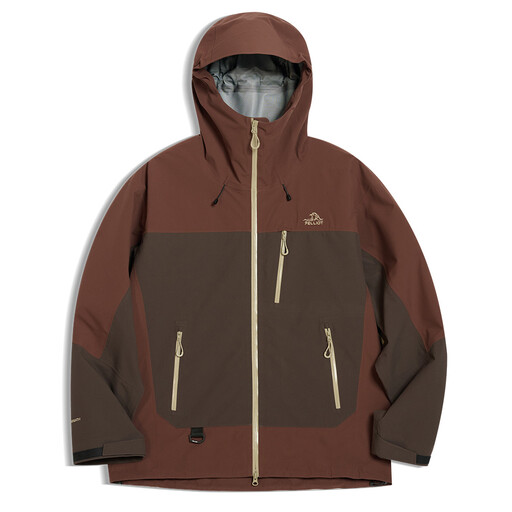
Why it suits this profile: This unisex hardshell is designed for walking, camping, commuting and everyday use. The generous 127 cm chest measurement in size L leaves room for an extra layer; always check this against your own measurements.
According to the product description, the jacket combines waterproof, breathable and hard-wearing fabric. When it arrives, pay particular attention to the zips, seams and care instructions.
Unisex design, flexible layering options and an outer layer described in the product information as windproof and hard-wearing.

Why it suits this profile: This Triclimate 3-in-1 system is designed for changeable conditions. According to the product description, it consists of a protective outer layer and an insulated down inner jacket, which can be worn separately or together.
The separate layers mean you do not need a different jacket for every season. The product description mentions taped seams, an adjustable hem and underarm zips for ventilation.
GORE-TEX outer material according to the product information, 550 fill power down insulation and two wearing configurations.
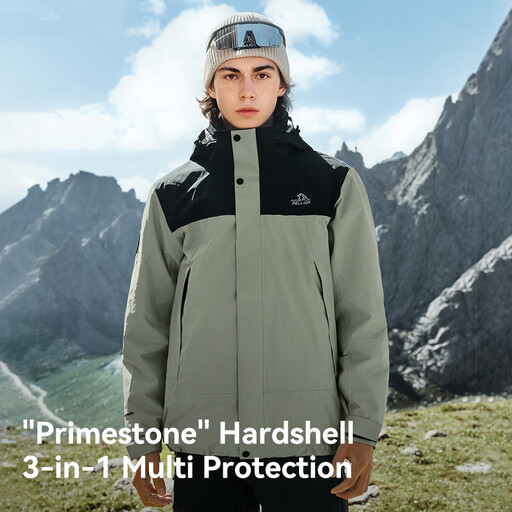
Why it suits this profile: According to the product description, the jacket is designed for trekking, camping and commuting. The 3-in-1 design allows the shell and lining to be used separately.
The combination of a microporous membrane, taped seams and a separate lining is more informative than simply using the term “waterproof”. Make sure you choose the right layer for the temperature.
STORMS BREATH technology, a thermal inner layer and a hard-wearing outer fabric, according to the product information.
We have put together a complete, up-to-date list of products that fully meet these strict selection criteria and the applicable European safety regulations.
Waterproof jackets need care too. Close zips and fastenings before washing, use the programme and detergent specified on the label, and avoid bleach. Allow the jacket to dry according to the instructions. With some jackets, the DWR layer can be reactivated or reapplied; follow the brand’s instructions for this.
Store a rain jacket somewhere dry and clean. Leaving a wet jacket folded in a bag for a long time can encourage odours and wear. After a walking holiday, pay particular attention to the seams, cuffs and zips.
A rain jacket is usually a lightweight outer layer for precipitation. An outdoor jacket may have additional features such as ventilation zips, hard-wearing fabric, an adjustable hood or room for several clothing layers. A winter coat generally contains insulation and is not always designed for intensive activity.
It can be, depending on the insulation in the inner layer, the fit, and the protection against wind and rain. You can adjust the layers to suit the weather. Check the size chart if you want to wear a jumper underneath the jacket, and see which temperatures are mentioned in the product description.
Its service life varies depending on the material, care, friction and exposure to rain. A DWR finish may become less effective over time. Follow the care label, treat the jacket only according to the brand’s instructions, and inspect the seams and coating regularly.
