
Vandaag of morgen in huis

Kwaliteit gegarandeerd

Welkomstaanbiedingen ontgrendelen: GRATIS bezorging | Tot 80% korting | Gratis 30 dagen JoyPlus-proefperiode
Download de app
A waterproof jacket may seem straightforward to choose on paper. In practice, there are significant differences between a lightweight rain jacket, a hardshell jacket, a warm parka and a safety jacket. A jacket that works well for a short bike ride may fall short during a long hike or a full day working in the rain.
As a Joybuy Product Recommendation Officer, I focus primarily on verifiable product details: materials, seams, fit, wind protection and care requirements. This helps you avoid paying solely for a brand name, a bold marketing claim or a low price.
A Durable Water-Repellent treatment, commonly abbreviated as DWR, helps water bead up and roll off the surface. That is not the same as a waterproof construction. Also check whether the jacket features a membrane, laminate or sealed seams.
A jacket with only a water-repellent outer layer may be suitable for light drizzle, but it may offer less protection during prolonged rainfall.
A tightly woven outer material blocks wind, but it can also make it harder for heat and perspiration to escape. For hiking, cycling or trekking, breathability is important. Look for a stated MVTR rating, ventilation openings or a mesh lining.
When a brand makes a performance claim, treat it as a product claim. According to PELLIOT’s product description, for example, its fleece-lined 3-in-1 jacket has a 35,900 mm H₂O hydrostatic head and breathability of 16,000 g/m²/24 hours, measured according to JIS. These values appear in the listed product specifications and can be used to compare models more objectively.
A hardshell jacket is often worn over a fleece or lightweight winter jacket. A fit that is too tight restricts your freedom of movement and may put additional strain on the zip and seams. A jacket that is too loose, on the other hand, can flap in the wind.
Measure your chest circumference and compare it with the size chart for the specific model. Sizes vary by brand and model. Also check sleeve length, back length and the amount of room around the shoulders.
Look for terms such as waterproof laminate, seam-sealed or taped seams. The hydrostatic head, measured in millimetres, indicates the pressure the material can withstand. A higher rating can be useful in heavy rain, but it does not tell the whole story. The hood, zips and pockets must also be properly protected.
For commuting, a compact rain jacket may be sufficient. For camping, hiking in the mountains or trekking, a hardshell jacket with an adjustable hood and cuffs is the more logical choice.
Breathability is sometimes expressed as MVTR: the number of grams of water vapour that pass through one square metre of fabric over 24 hours. A higher stated rating may be appealing for intense activities, but real-world performance also depends on temperature, base layers and exertion.
A mesh lining, ventilation zips and a fit that is not too tight can help regulate moisture and heat more effectively.
A waterproof jacket is not necessarily a winter jacket. A lightweight shell protects against rain and wind but offers little insulation. Choose a fleece-lined jacket, parka or insulated jacket if you will be outside for extended periods in low temperatures.
For sport and hiking, a system consisting of a base layer, fleece and shell is often more flexible. For everyday use, a warm parka may be more practical. For professional work, visibility, reflective details and the correct safety class are particularly important.
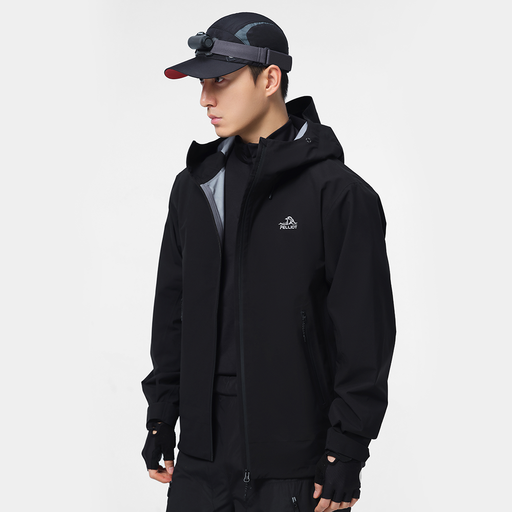
Why it fits: A practical choice for everyday cycling, walking and travel when you want a versatile outdoor jacket.
The product description cites waterproof and wind-resistant properties, together with a breathable construction. Check the current size chart before ordering.
Hardshell design available in sizes XS through XXL; according to the product information, it is suitable for urban use and walking trails.
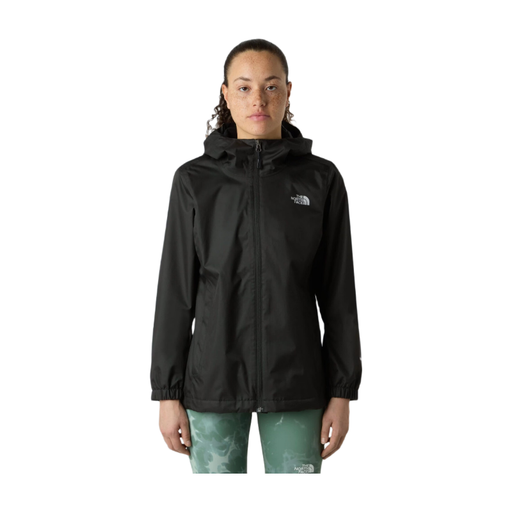
Why it fits: For hikers looking for a women’s jacket with an adjustable hood and enough room for layering.
According to the product description, this The North Face Quest Jacket features a 2L DryVent outer layer with sealed seams, mesh lining and a DWR finish.
100% polyester, two zipped pockets, elasticated cuffs and an adjustable hem; available in sizes XS through 3XL.
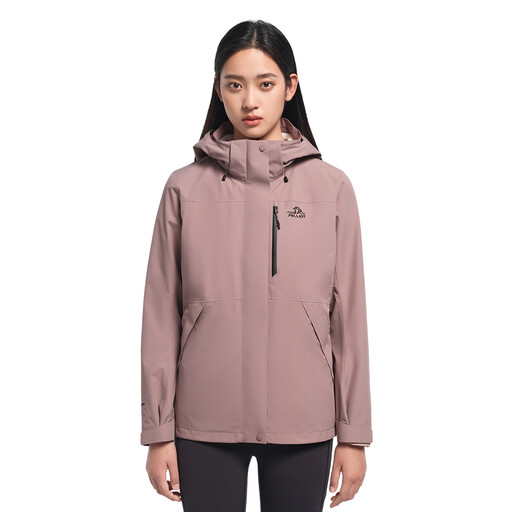
Why it fits: For camping, trekking and winter commutes when you want both a shell and an insulating layer.
The claim of a 35,900 mm hydrostatic head and 16,000 g/m²/24 hours comes from PELLIOT’s product description. Always compare such figures using the same test method.
3-in-1 design: outer jacket, inner jacket or combined configuration. The product information also states that it has a durable construction and adjustable cuffs, hem and hood.
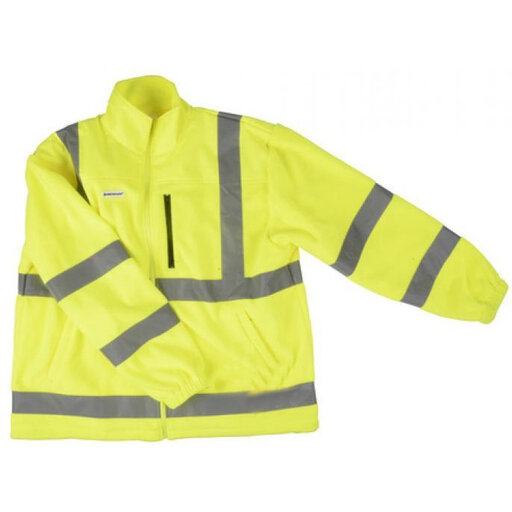
Why it fits: For professional work, traffic situations and outdoor tasks in rain or low-light conditions.
The reference to Class 3 and Standard 471 comes from the product information. For professional use, check that the current certification and required standard are suitable for your work.
Fleece lining, reflective bands, two zipped pockets and a weight of 432 grams according to the listed specifications.
A waterproof jacket’s performance depends heavily on correct use and care. Wash it according to the label and do not use fabric softener if the manufacturer advises against it. Fabric softener can affect the performance of a coating. Close zips and hook-and-loop fastenings before washing, and allow the jacket to dry as instructed.
A jacket with a DWR finish may need to be reproofed over time. Look for signs of wear on the shoulders, cuffs, seams and lower hem. A hardshell jacket that is frequently worn with a heavy backpack requires more attention than a rain jacket used for everyday trips around town.
A winter jacket or insulated parka must also provide enough room without compressing the filling. For cycling, a longer back, adjustable hem and cuffs are practical features. A sports or hiking jacket can be lighter and shorter.
Explore a current selection of jackets and compare models by intended use, materials, fit and weather protection.
Not always. A lightweight shell primarily protects against rain and wind but offers limited insulation. In cold weather, choose a fleece-lined jacket, parka or 3-in-1 model. You can also wear a separate fleece underneath a hardshell.
This depends on use, abrasion, washing and maintenance. A coating may become less effective over time. Follow the washing instructions, avoid unsuitable detergents and use only a reproofing product that is compatible with the material.
Look for an adjustable hood, sealed seams, close-fitting cuffs and sufficient back length. Breathability is important for everyday cycling because your body generates heat on the way. For rides in the dark, a reflective jacket or additional reflective accessories can be particularly useful.
