
Vandaag of morgen in huis

Kwaliteit gegarandeerd

Welkomstaanbiedingen ontgrendelen: GRATIS bezorging | Tot 80% korting | Gratis 30 dagen JoyPlus-proefperiode
Download de app
In the Netherlands, a waterproof outdoor jacket needs to cope with more than a brief shower. Whether you are walking, cycling, camping or commuting, you may face prolonged rain, strong winds and rapidly changing temperatures. Even so, a high price or well-known brand name does not guarantee that a jacket is right for the way you use it.
Product descriptions may also contain terms that are mainly marketing language. Pay attention to verifiable specifications, fit and care requirements. This will help you avoid buying a jacket that performs less well after a few months or does not offer enough room for clothing layers.
A water-repellent jacket initially causes raindrops to roll off the surface. This is not the same as a waterproof construction. In prolonged rain, the seams, zips, hood and cuffs are also important. Look for information about taped or fully sealed seams and a waterproof membrane.
A DWR treatment, or Durable Water-Repellent finish, can become less effective over time because of washing, dirt and use. This does not automatically mean that the jacket is no longer suitable, but reproofing may be necessary if the care label allows it.
A hardshell jacket can keep rain and wind out, but walking, running or climbing can cause condensation to build up inside. “Breathable” does not mean that sweat disappears completely. Look for ventilation options, mesh lining, underarm zips and sufficient room for a base layer.
According to the PELLIOT hardshell product description, this jacket has been designed with a moisture-permeable construction. This is a claim made by the brand; check the product page to see which technical measurements are actually available.
A jacket that fits well without a jumper may become too tight when worn over a fleece or down layer. Check your chest, sleeve and back measurements in centimetres. A women’s outdoor jacket and men’s outdoor jacket may also differ in shoulder width, waist and sleeve shape. With unisex models, the size chart is particularly important.
Pay attention to these points:
A waterproof outdoor jacket is not automatically suitable for prolonged immersion or water sports. For canoeing, sailing or other activities where clothing comes into substantial contact with water, you should check the specific product information and usage limitations.
A breathable jacket is particularly relevant when you are active. A mesh lining, ventilation zips and a less close-fitting cut can improve comfort. For quiet everyday use, a heavier lining may be more important than maximum ventilation.
A windproof jacket without insulation keeps cold air out, but does not automatically keep you warm. Combine a shell with a fleece, thermal shirt or lightweight down layer when the temperature drops.
Choose a lightweight waterproof jacket or walking jacket when you mainly need protection from rainfall. For colder conditions, a fleece-lined jacket, waterproof parka or 3-in-1 jacket may be more practical.
A 3-in-1 model usually consists of an outer layer and a removable inner layer. You can wear both parts separately, but check that the brand’s temperature ratings suit your activity and clothing layers. According to PELLIOT’s product description, the 3-in-1 jacket mentioned is intended for several temperature ranges. This remains a brand claim and is not a guarantee of personal comfort.
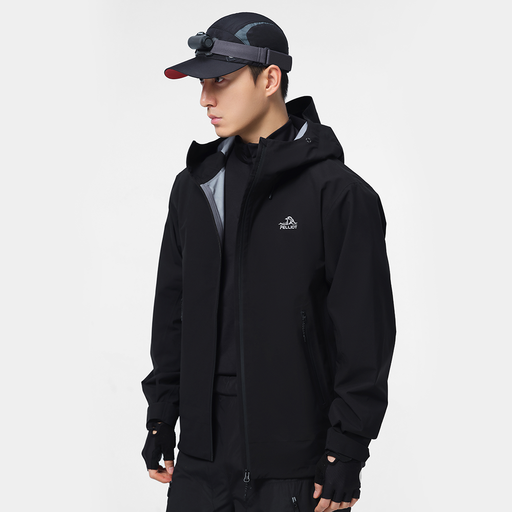
Why it suits this profile: A unisex hardshell for everyday use, walking and light trekking. The black colour works well for both commuting and outdoor activities.
The product information mentions a waterproof laminated outer layer, mesh-like lining and hard-wearing fabric. Check the exact material composition and size chart before buying.
Available in several sizes; according to the product description, intended as a hardshell with wind-resistant properties and a breathable mesh lining.
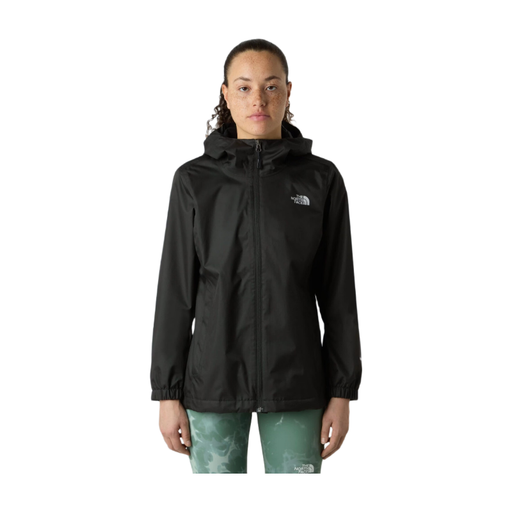
Why it suits this profile: A women’s outdoor jacket for walking and changeable weather, with a focus on adjustability and everyday comfort.
According to the product description, this jacket has fully sealed seams and DryVent fabric. The DWR finish may require care or reproofing.
Adjustable hood, elasticated cuffs, adjustable hem and two zipped pockets; outer layer made from 100% polyester according to the product information.
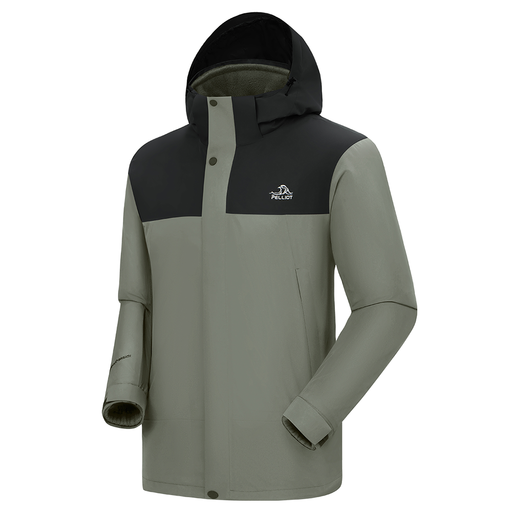
Why it suits this profile: Designed for camping, trekking and travel in colder conditions where a rain jacket alone does not provide enough insulation.
The product description mentions a shell and thermal inner layer that can be worn separately. This allows you to adjust the insulation, but check the sizing for both layers.
3-in-1 wearing options, fleece-like thermal lining, hard-wearing outer layer and an extensive size and length chart according to the product details.
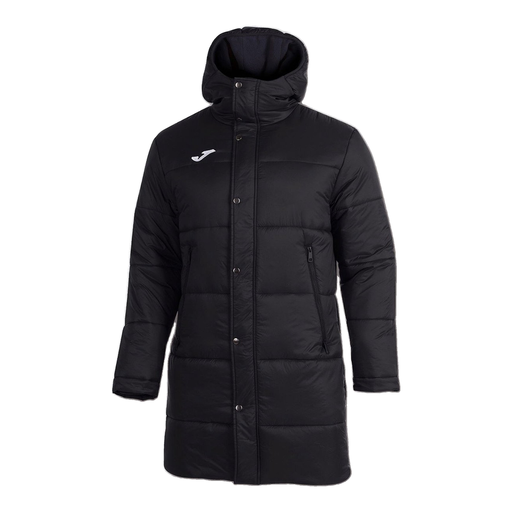
Why it suits this profile: An insulated waterproof parka for everyday use, urban journeys and relaxed outdoor activities in cold conditions.
The product information mentions an insulated construction, adjustable hood and cuffs. This is not an ultralight walking jacket, so bear its weight and warmth in mind.
Fleece lining, multiple pockets, adjustable features and a waterproof outer layer according to the product description.
We have compiled a complete, up-to-date list of products that fully meet these strict selection criteria and the applicable European safety regulations.
Always use the size chart for the specific model. Measure a garment that fits comfortably and compare the chest, shoulders and sleeves with the stated measurements. If you plan to wear a fleece or thick jumper underneath, only choose a larger size if the chart and cut allow enough room.
Wash an outdoor jacket according to the care label. Do not use fabric softener on technical fabrics if the manufacturer advises against it. Fasten zips and hook-and-loop closures before washing, and air-dry the jacket if instructed. At the end of a season, check the seams, hood, cuffs and water-repellent outer layer. The lifespan depends on use, friction, washing and care; there is no fixed period that applies to every model.
It can be, but pay attention to ventilation and weight. A lightweight rain jacket with a breathable construction and ventilation zips is often more practical than an insulated parka. No jacket can prevent condensation in all circumstances during intense exercise.
This depends on how often it is used and washed. When water no longer beads on the outer fabric, consult the care label for a suitable reproofing treatment. Only use a product that is suitable for the material and the manufacturer’s instructions.
A hardshell jacket is usually a protective outer layer against rain and wind. A 3-in-1 jacket combines this type of outer layer with a removable inner layer. This makes a 3-in-1 model more versatile in changing temperatures, while a separate hardshell is often lighter and easier to combine with other layers.
