
Vandaag of morgen in huis

Kwaliteit gegarandeerd

Welkomstaanbiedingen ontgrendelen: GRATIS bezorging | Tot 80% korting | Gratis 30 dagen JoyPlus-proefperiode
Download de app
In the Netherlands, a waterproof outdoor jacket needs to cope with more than a brief shower. Rain can fall horizontally during a bike ride, while a walking trail may involve branches and mud, and warmth also matters when camping. Even so, comparing product claims accurately can be difficult. A high hydrostatic head, for example, does not automatically mean that a jacket will remain comfortable during strenuous walking.
The following points will help you distinguish marketing language from useful information.
A jacket may keep out water according to its product description, yet still become uncomfortable if moisture cannot escape from the inside. So, as well as waterproofing, check the breathability, ventilation options and construction of the jacket.
A hardshell jacket is often worn over a fleece or insulating layer. A jacket that is too tight restricts your freedom of movement and can compress the layer underneath. A jacket that is too loose, on the other hand, allows wind in more easily. Check the measurements in centimetres and consider the clothing you intend to wear underneath.
A thin breathable rain jacket mainly protects against precipitation and wind, but provides little warmth. For winter commutes, camping or a walk in the Ardennes, a 3-in-1 outdoor jacket may be more practical. It combines an outer layer with a removable fleece or insulating layer.
The hydrostatic head indicates how much water pressure a material can withstand in a laboratory situation. The higher the value, the more protection it may offer against prolonged rain. According to the product description of the PELLIOT fleece-lined models, the hydrostatic head is 35.900 mm H₂O according to JIS.
However, you should consider this figure together with the construction:
A jacket for mountain walking or trekking will generally benefit more from an adjustable hood, storm flap and sealable cuffs than a simple jacket for everyday use.
The MVTR figure is often expressed in grams per square metre per 24 hours. It describes how much water vapour a material can allow through according to a particular test method. According to the product description of the PELLIOT 3-in-1 models, the breathability is 16.000 g/m²/24 hours according to JIS.
Treat this as a point of comparison, not as a guarantee of a dry feel in every situation. Intense movement, high humidity and multiple layers all affect the result. Underarm ventilation zips and a fit that is not too tight remain useful.
For walking, cycling and watersports, a windproof jacket with a water-repellent outer layer is often sufficient. For rocky terrain, shrubs and heavy rucksacks, a hard-wearing hardshell is more suitable. According to the product description, the outer layer of the PELLIOT fleece-lined jacket has been tested to 40.000+ abrasion cycles.
Also pay attention to care requirements. Wash a technical jacket according to the label, do not use fabric softener and close the zips before washing. Some models should not be tumble-dried or may only be treated at a low temperature. A poorly maintained coating may become less effective at repelling water over time.
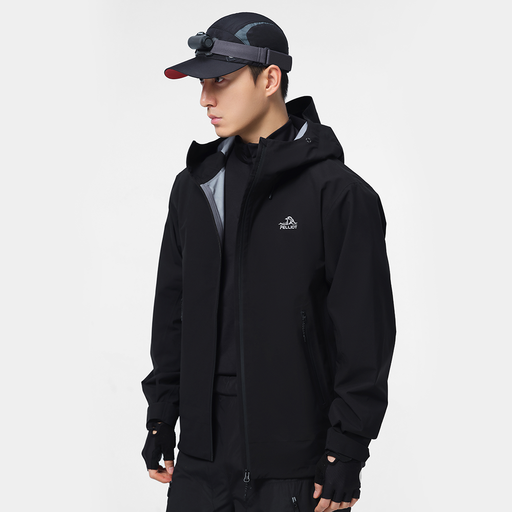
Why it suits this profile: This unisex rain jacket is designed for everyday use, cycling and light outdoor activities. The black colour is easy to coordinate, and the size chart ranges from XS to XXL.
The product description mentions a waterproof, wind-resistant hardshell and breathable mesh lining. Before buying, check the size carefully if you want to wear a thick mid-layer.
Unisex fit, nylon or polyester blend with a waterproof membrane, and a design suited to both the city and the walking trail.

Why it suits this profile: This Triclimate 3-in-1 system is designed for changeable conditions. The outer layer and down layer can be worn separately or together.
The system means you do not need a separate jacket for every season. According to the product description, the outer layer has taped seams, underarm zips and an adjustable hem.
GORE-TEX outer and lining materials according to the product information, 550 fill power down, and separate wearing options.
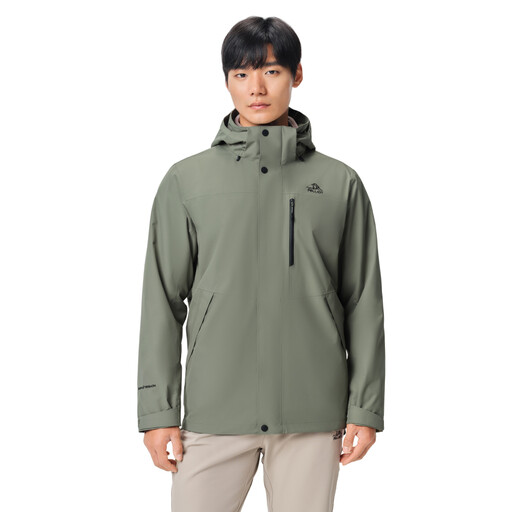
Why it suits this profile: For camping, trekking and cold commutes, this fleece-lined jacket offers several wearing options: the shell on its own, the lining on its own or both together.
The stated hydrostatic head, breathability and adjustable hood, hem and cuffs provide greater control in changeable weather.
According to the product description: 35.900 mm H₂O, 16.000 g/m²/24 hours and 40.000+ abrasion cycles; plus a removable thermal lining.
We have compiled a complete, up-to-date list of products that fully meet these strict selection criteria and the applicable European safety regulations.
A waterproof jacket for women and men should provide enough room for movement and layers. Compare the chest, shoulder and sleeve measurements with a jacket you already find comfortable. Also consider:
A durable camping jacket is not determined solely by the use of recycled material. According to the product information for certain PELLIOT models, recycled material is used in the shell. Its lifespan is also affected by washing, drying, storage and repairing zips or seams promptly.
That depends on use, material and care. Frequent contact with rucksack straps, branches and abrasive surfaces puts strain on the coating. Wash the jacket according to the label, avoid fabric softener and store it dry. When water no longer beads on the surface, a suitable reproofing treatment may help if permitted by the care label.
Usually not without an additional layer. A hardshell is mainly designed to protect against wind and rain. In cold weather, wear a fleece, down jacket or another insulating layer underneath. A 3-in-1 outdoor jacket combines these functions in one system, making it more convenient for changing temperatures.
A breathable rain jacket is designed to keep out precipitation while allowing water vapour to escape. A windproof jacket focuses mainly on blocking airflow and is not always suitable for prolonged rain. So always check the waterproofing information, seams and zip construction before choosing a model.
