
Vandaag of morgen in huis

Kwaliteit gegarandeerd

Welkomstaanbiedingen ontgrendelen: GRATIS bezorging | Tot 80% korting | Gratis 30 dagen JoyPlus-proefperiode
Download de app
A waterproof jacket can often seem easy to choose on paper. Yet many buyers are swayed by the same marketing terms: “stormproof”, “breathable” or “all-weather”, without checking exactly what they mean. Whether you’re walking in the Veluwe, cycling to work or trekking in the Ardennes, the wrong choice can leave you with wet shoulders, overheating or a jacket that’s less practical than you expected.
Watch out for these three common pitfalls:
A good waterproof outdoor jacket is more than just a synthetic outer layer. Check whether the seams are taped or fully sealed. Seams are vulnerable points where rain can get in. An adjustable hood, cuffs and hem also help keep out wind and rain.
A hardshell jacket is generally designed to be worn as a protective outer layer. It offers little insulation, so it’s often worn with a fleece or lightweight down jacket. This makes it a good choice for changeable Dutch weather, as you can adjust your layers to suit the temperature and level of activity.
A breathable jacket lets moisture and heat escape more effectively than a basic plastic raincoat, but no material can prevent you from sweating altogether. For a gentle commute, a mesh lining and a comfortable fit are often enough. For trekking or brisk walking, extra ventilation features, such as underarm zips, are useful.
Look for the difference between verifiable product information and advertising. If a brand claims a specific level of performance, treat it as a claim made by the brand. For example, according to The North Face product description, the Quest Jacket uses DryVent fabric with a waterproof, windproof and breathable construction. This describes the stated product design; it isn’t a guarantee for every weather condition.
Always check the size guide and compare the chest, sleeve and jacket length measurements with a garment that fits you well. A walking jacket worn over a T-shirt can have a closer fit than a trekking jacket that you want to wear over a fleece.
For PELLIOT models, measurements such as chest, shoulder width, sleeve length and jacket length are provided. The product information recommends considering a size up if you wear thick mid-layers. This is particularly relevant for a unisex waterproof jacket, as the cut may differ from a style made specifically for women or men.
A women’s waterproof jacket often has a different shape and length from a men’s style. Don’t just look at whether a jacket is labelled for women or men; pay close attention to its measurements. A men’s waterproof jacket may have more room across the shoulders, while a women’s style may be more shaped at the waist.
A unisex waterproof jacket is a useful choice if you’re looking for a straight, versatile cut for travel, camping or everyday wear. The right option depends on your measurements and the layers you want to wear underneath. Compare the measurements in centimetres with a jacket you already own, rather than ordering your usual size without checking.
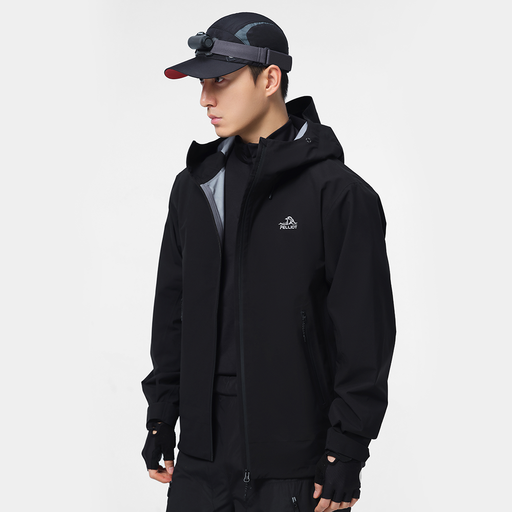
Why it suits this profile: The unisex cut and black colour make this jacket a practical option for commuting, travel and light outdoor activities. The product description states that it has a waterproof, wind-resistant and abrasion-resistant construction.
The available size guide helps you choose based on more than just the letter size. The description also includes care instructions to help preserve the fabric.
Waterproof and wind-resistant outer layer according to the product information; available in several sizes and colours.
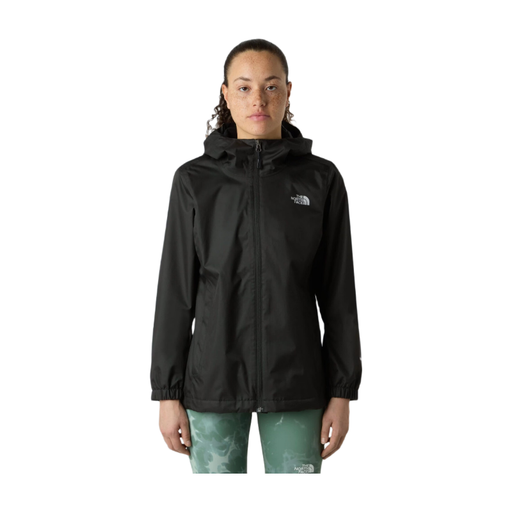
Why it suits this profile: According to the product description, this style is designed for walking and changeable weather. Women’s sizes range from XS to 3XL, with chest and length measurements provided.
The product information lists fully sealed seams, an adjustable hood, adjustable cuffs and a drawcord at the hem.
DryVent fabric according to the brand description; two zipped pockets and a mesh lining for added comfort.
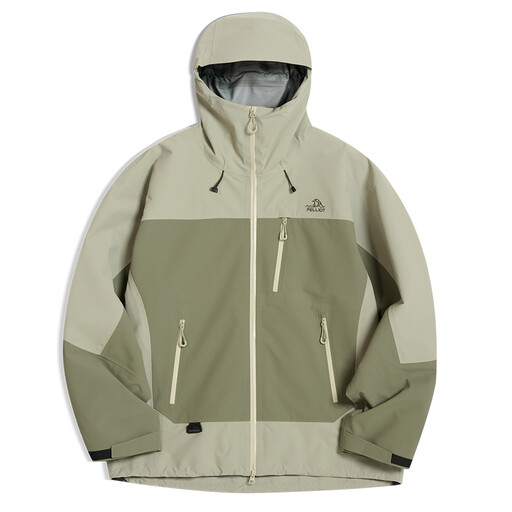
Why it suits this profile: According to the product description, this style is designed for camping, travel and trekking. Its wind-resistant, waterproof and abrasion-resistant outer layer is well suited to rougher terrain.
As well as measurements, the size guide includes height and weight references. This can help if you’re between sizes or want to wear several layers.
Abrasion-resistant fabric according to the product description; adjustable sizing and a colour-block design for trails and everyday wear.
We’ve put together a complete, up-to-date list of products that meet these strict selection criteria and the applicable European safety requirements.
A jacket’s waterproofing also depends on how you care for it. Always follow the care label for the specific product. Many technical jackets need to be:
A jacket with a waterproof coating may become less effective over time because of washing, wear and friction. Store it dry and avoid leaving it for long periods in a damp bag.
No. Water-repellent often refers to a treatment on the outer fabric, such as DWR. Waterproofing also depends on the membrane, seams, zips and overall construction. So make sure you check the full product description.
That depends on how often you wear it, the material, how you wash it and how much it rubs against abrasive surfaces. A jacket for your daily commute may wear differently from a camping jacket that often brushes against rocks and branches. Good care and reproofing when needed can help keep it in use, but they can’t guarantee a set lifespan.
The price depends on factors such as the material, brand, construction, insulation and extra features. A basic rain jacket may be enough for short bike rides, while a hardshell jacket with sealed seams and breathable fabric is better suited to trekking. So consider how you’ll use it and compare the objective specifications before choosing based on price alone.
