
Vandaag of morgen in huis

Kwaliteit gegarandeerd

Welkomstaanbiedingen ontgrendelen: GRATIS bezorging | Tot 80% korting | Gratis 30 dagen JoyPlus-proefperiode
Download de app
Choosing a waterproof jacket might seem straightforward at first. In practice, though, many models turn out to be too warm, too tight for layering or less suitable for prolonged rain than the product title suggests. You’ll also need different features for commuting than for trekking, camping or working by the roadside.
Look out for these three common pitfalls:
A hardshell jacket is designed to protect you from rain and wind as an outer layer. Check whether the product information mentions a waterproof coating or membrane, and whether the seams are finished or sealed. A jacket with a hood, adjustable cuffs and a drawcord hem will give you a closer fit in changeable weather.
PELLIOT hardshell jackets are described as having a waterproof laminate construction, combined with a mesh or technical fabric lining. According to the product description, the jacket is designed for trekking, everyday wear and windy, rainy conditions. The exact experience may vary depending on the situation, so check the sizing and care instructions too.
A rain jacket for short journeys doesn’t need the same construction as a trekking jacket. For everyday use, packability, pockets and a comfortable hood are often more important than maximum abrasion resistance.
Someone cycling gently to work has different needs from someone walking uphill. When looking for a breathable jacket, check for specific information such as an MVTR rating, ventilation openings or a mesh lining. Bear in mind that a high test result doesn’t mean you’ll stay completely dry in every condition.
According to its product information, the PELLIOT fleece-lined 3-in-1 jacket has a hydrostatic head of 35.900 mm H₂O and an MVTR of 16.000 g/m²/24 uur, measured in accordance with JIS. These are verifiable specifications from the product description, but they don’t replace an assessment of fit, ventilation and layering. The 3-in-1 system lets you wear the outer layer, the lining or both together.
A waterproof jacket isn’t always a winter coat. A lightweight shell mainly protects you from rain and wind; on cold days, you’ll need a fleece, insulating mid-layer or lined jacket. A winter coat with a hood is more practical if you’ll be standing still for long periods or working outdoors, while a lighter outdoor jacket may be more comfortable for active walks.
When checking the size, consider:
According to the size chart, the chest measurement for the PELLIOT hardshell ranges from 108 cm in XS to 130 cm in XXL. The product information advises considering a size up if you want to wear thick mid-layers. Measure a jacket you own or your upper body, then compare those measurements with the chart rather than relying on S, M or L alone.
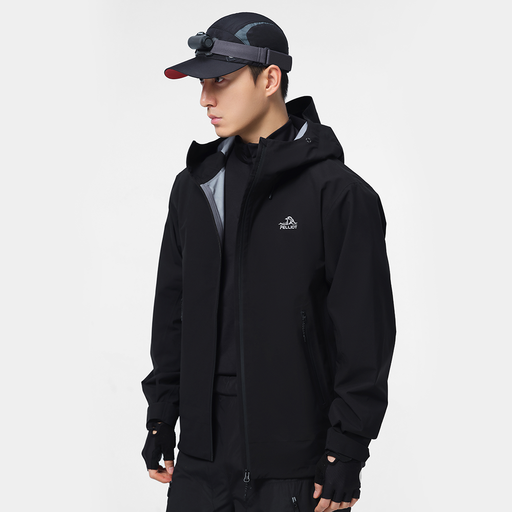
Why it suits this profile: This unisex hardshell is suitable for commuting, walks and occasional trekking. Its utility fit combines a practical look with everyday wearability.
The description mentions both waterproof and wind-resistant properties, and provides a detailed size chart. This makes it easier to compare than relying on the title alone.
Nylon or polyester blend with a waterproof laminate layer, mesh or technical lining, and sizes from XS to XXL.

Why it suits this profile: According to the product information, the Quest Jacket is designed for walking and changeable weather. Its adjustable hood and hem are useful for spending longer periods outdoors.
The description mentions fully taped seams and windproof, breathable DryVent fabric. It also covers care and reproofing.
100% recycled polyester according to the product information, mesh lining, adjustable hood and sizes from XS to 3XL.
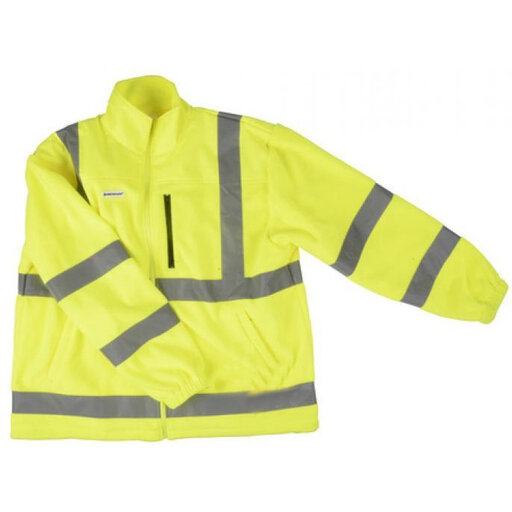
Why it suits this profile: For working in all weathers, by the roadside or on a building site, visibility is a separate consideration from waterproofing.
The product information specifies fluorescent yellow, retroreflective bands and polyester fabric with a polyurethane coating. It describes the jacket as water-resistant; always check the required standard and class for your role.
Size M, fleece- or mesh-like lining depending on the product variant, and reflective details for low-light conditions.
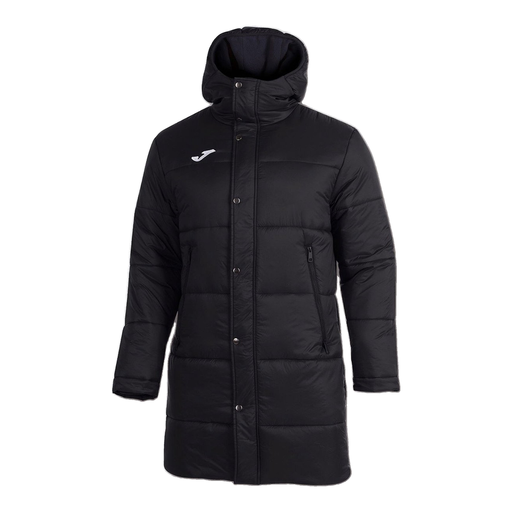
Why it suits this profile: This lined parka is designed for cold conditions and everyday wear in the city or outdoors.
Rather than offering just a thin rain layer, this model has an insulating construction, fleece lining and adjustable hood and cuffs, according to the product information.
Size M, black, multiple pockets and a nylon outer layer described as waterproof on the product page.
Even a good waterproof jacket can lose its protection if it’s washed incorrectly. Fasten the zips and hook-and-loop closures before washing, use a mild detergent and avoid fabric softener. Wash it at the temperature stated on the label and, ideally, leave it to air dry. A water-repellent outer layer may need reproofing over time; follow the manufacturer’s instructions.
Don’t use a motorcycle protective jacket or a motorcycle jacket with armour as a substitute for an ordinary rain jacket. Protective motorcycle clothing is designed to guard against impact and abrasion. According to the product information, the motorcycle protective jacket mentioned has removable PE, TPU and EVA elements, but always check that the equipment meets the requirements for your riding style and the applicable regulations before use.
We’ve put together a complete, up-to-date list of products that meet these strict selection criteria and the applicable European safety regulations.
Not always. A hardshell jacket mainly protects you from rain and wind, but often has little insulation. In cold weather, wear a fleece or thermal mid-layer, or choose a lined jacket or winter coat with a hood.
Check whether the product information mentions a waterproof construction, coating or membrane, and see whether the seams are sealed. A jacket described only as “water-repellent” is more likely to be intended for light rain. Zips, cuffs and the hood also affect how well it protects you.
For walking and trekking, a lightweight, windproof, breathable jacket with an adjustable hood is a practical choice. If you’ll be exercising vigorously, ventilation and enough room for layers are important. For rougher terrain, a hardshell and an abrasion-resistant outer fabric can be useful; always compare the specific product details.
