
Vandaag of morgen in huis

Kwaliteit gegarandeerd

Welkomstaanbiedingen ontgrendelen: GRATIS bezorging | Tot 80% korting | Gratis 30 dagen JoyPlus-proefperiode
Download de app
In the Netherlands, a waterproof jacket needs to do more than look good in a product photo. A lightweight rain jacket may work perfectly well on a cycle ride, while a long walk also calls for wind protection, ventilation and room for a mid-layer. If you only look for the word “waterproof”, you can easily overlook several common buying pitfalls.
A DWR treatment initially causes droplets to bead off the fabric. This is not the same as a waterproof construction. Check whether the jacket has a waterproof membrane and whether the seams are taped or sealed. Without finished seams, rain can enter through the stitched areas.
A lightweight outdoor jacket can keep out rain and wind, but offers little insulation. A puffer jacket or parka is generally warmer, but may be less suitable for intensive walking if ventilation is lacking. First decide whether you are looking for a rain jacket, windproof jacket, fleece jacket, winter coat or a combination of these.
A jacket that is too tight leaves little room for a fleece jacket or other mid-layer. A jacket that is too loose can allow draughts in through the sleeves and hem. Always check the size chart for the specific model. Sizes vary by brand, fit and target wearer. Men’s and women’s jackets may also be cut differently, even when the chest measurement is similar.
The hydrostatic head is expressed in millimetres of water pressure. A higher figure indicates greater resistance to water pressure, but does not tell you everything about the end result. Zips, hood, cuffs and seams are also important. According to the product description, the PELLIOT 3-in-1 jacket has a hydrostatic head of 35.900 mm H₂O according to JIS. This is a claim from the brand’s product specifications and is not a universal guarantee for every situation.
Also look out for:
A jacket can keep rain out while still feeling clammy if body heat and perspiration cannot escape sufficiently. Therefore, look for a stated MVTR rating, expressed in g/m²/24 hours, when using the jacket for hiking, running or sport. The PELLIOT product description states a breathability rating of 16.000 g/m²/24 hours according to JIS. According to PELLIOT’s own product specifications, this is intended to help draw moisture away; practical performance may vary depending on exertion, layers and temperature.
A mesh lining, underarm ventilation zips and a fit that is not too close-fitting can help in changeable conditions. For relaxed commuting, lower ventilation is often less of a drawback than during intensive walks.
For cold weather, you can choose from:
A 3-in-1 jacket is practical when you want to wear different combinations throughout the year. Do check whether both parts can be used separately and how the layers attach to one another. For the The North Face Triclimate model, the product description states that it includes a shell and a down inner jacket with 550 fill power. According to the brand’s product information, the layers can be worn separately or together.
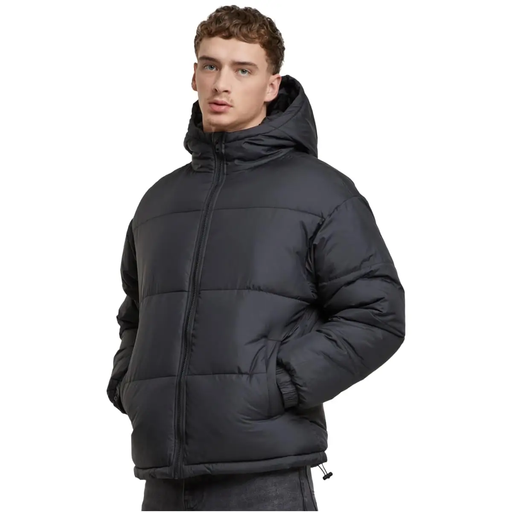
Why it suits this profile: A practical winter jacket for everyday use, shopping and commuting on cold days.
The product information lists the filling, outer fabric and lining separately. This makes it clear that it is primarily a warm jacket, rather than a technical walking shell.
100% polyester filling, polyamide outer and hood; suitable for everyday winter use.

Why it suits this profile: For anyone who wants to use one system for walks, travel and cold days with changeable conditions.
The separate outer and inner layers let you adjust your warmth, rather than wearing one thick jacket in every type of weather.
3-in-1 system, adjustable hood, taped outer seams and down inner layer with 550 fill power according to the product description.
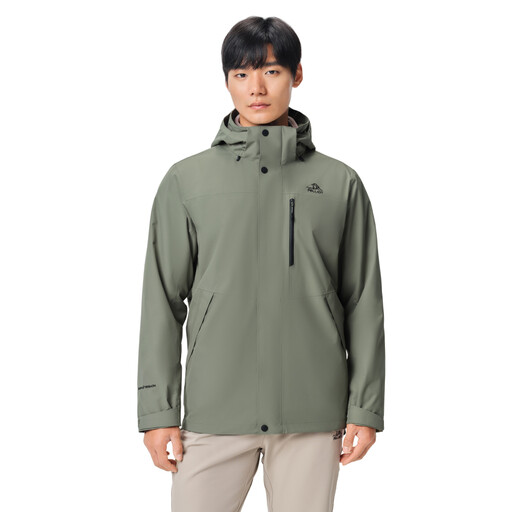
Why it suits this profile: Designed for camping, trekking and commuting when you want to use one jacket across several seasons.
The stated hydrostatic head, breathability rating and abrasion resistance give you more to compare than a general claim of waterproofing alone.
According to the product description: 35.900 mm H₂O, breathability of 16.000 g/m²/24 hours and three ways to wear it.

Why it suits this profile: A women’s jacket for hiking and walking when a lightweight shell with a hood matters more than insulation.
The product description mentions fully sealed seams, an adjustable hood, cuffs and hem. These are features you can check alongside the brand name.
2L DryVent fabric with mesh lining, adjustable hood and two zipped pockets according to the product information.
We have compiled a complete, up-to-date list of products that fully meet these strict selection criteria and the applicable European safety regulations.
A waterproof jacket needs care too. Wash it according to the label, close all zips and fastenings, and do not use bleach. Detergents with strong additives can damage the water-repellent finish. Usually, leave a jacket to air-dry unless the label specifies another method.
On some models, the DWR finish can be reactivated or reapplied. According to The North Face’s product information, this may be possible with a suitable warm programme or specialist water-repellent treatment on certain DryVent models. Always check the care label; using the wrong drying method can damage the fit or coating.
Check whether the product information states that it has a waterproof membrane, sealed seams and a hydrostatic head rating. “Water-repellent” or “suitable for rain” on its own does not provide enough information for prolonged rain.
A shell jacket with breathable fabric, an adjustable hood and room for a fleece jacket is often a practical choice. For cold conditions, a 3-in-1 jacket may be more versatile, as you can adjust the layers to suit the temperature.
Its lifespan depends on use, friction, washing and care. The DWR finish in particular may become less effective over time. Check the seams, zips and coating regularly, and follow the manufacturer’s care instructions.
