
Vandaag of morgen in huis

Kwaliteit gegarandeerd

Welkomstaanbiedingen ontgrendelen: GRATIS bezorging | Tot 80% korting | Gratis 30 dagen JoyPlus-proefperiode
Download de app
A waterproof hardshell jacket in the UK needs to handle more than just a brief shower. Walkers and hikers face prolonged rain, strong winds and changing temperatures. Commuters also want a jacket that isn't too heavy or stiff. For camping and mountain hiking, you also have to contend with rubbing rucksack straps, branches and rough rocks.
However, an expensive jacket isn't automatically the right one for your needs. Pay close attention to the construction, technical ratings and fit. Below, we'll cover the most important points to consider and suggest some product choices for different types of users.
A product title might promise waterproofness without providing clear information about the hydrostatic head rating, seams or zips. This means a jacket might perform well on a short walk but be less suitable for prolonged rain or the pressure from a rucksack.
Therefore, always check if the product information specifies a rating, for example, in millimetres of hydrostatic head. Also, look for an adjustable hood, cuffs and hem. These features help to seal any gaps where rain and wind could get in.
A sealed outer layer keeps rain out, but it can also trap heat and perspiration during a brisk walk. A jacket with a high breathability rating isn't automatically comfortable in all conditions: temperature, humidity, your level of exertion and the clothes you wear underneath all play a part.
For a breathable rain jacket or trekking jacket, it's wise to look for the stated MVTR value, ventilation zips and enough room for a base layer. A thin hardshell jacket functions differently from a fleece-lined jacket.
A hardshell is often worn over a T-shirt, fleece or insulating layer. A close-fitting jacket can restrict your movement and makes layering difficult. Besides chest size, check the shoulder width, sleeve length and jacket length.
With unisex models, the proportions might feel different from a specific women's or men's model. Always compare the size chart in centimetres with a jacket you already own and find comfortable. If you plan to wear thick mid-layers, going up a size might be more practical.
The hydrostatic head indicates how much water pressure a fabric can withstand according to a specific test. The product information for a PELLIOT 3-in-1 outdoor jacket states a value of 35,900 mm H₂O according to JIS. This is a verifiable product specification, but the actual protection also depends on the seams, zips, wear and tear, and how the jacket is used.
A jacket for mountain hiking or camping benefits from a well-fitting hood, an adjustable hem and cuffs. Also, check if the zips are covered or have a water-repellent construction.
The MVTR value, expressed in g/m²/24h, describes how much water vapour a material can let through under the test method used. The aforementioned PELLIOT 3-in-1 jacket specifies 16,000 g/m²/24h according to JIS.
Use this value to compare different models, not as a guarantee that you'll feel dry in every situation. For strenuous hikes, it's best to wear layers that can wick away moisture and open any ventilation zips when needed.
For trekking, camping and daily use with a rucksack, a durable material is important. The 3-in-1 product information mentions over 40,000 abrasion cycles. According to PELLIOT's product information, the outer layer is also designed to withstand contact with branches and rocks.
The black unisex hardshells are described as a nylon or polyester blend with a waterproof laminate layer. The first PELLIOT model also states that the shell fabric contains recycled material. This tells you something about the composition, but not necessarily about the product's overall lifespan or environmental impact.
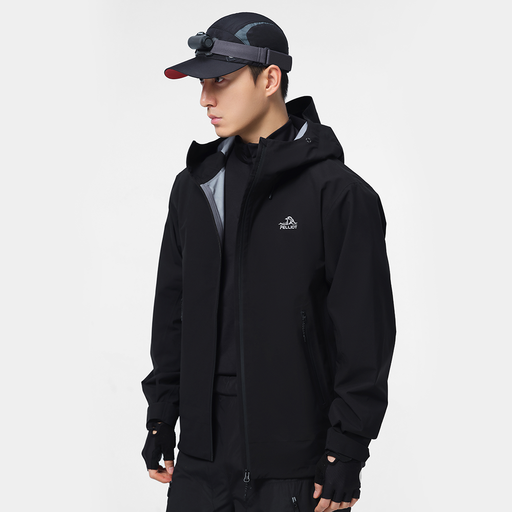
Why it fits this profile: A straightforward black waterproof outdoor jacket for commuting, day hikes and light activities. The unisex fit is available in multiple sizes.
The product information mentions wind resistance, breathability and a durable outer layer. However, be sure to check the current size chart and care instructions before buying.
Black colour, unisex design, packable dry bag according to the product name, and sizes from XS to XXL.
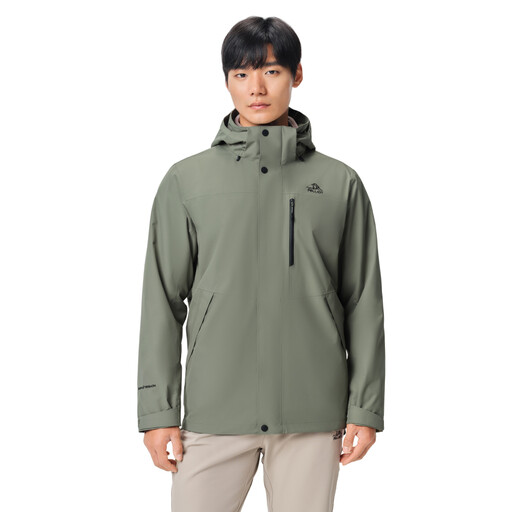
Why it fits this profile: The 3-in-1 construction is ideal for users who want a single system for cold commutes, camping and trekking.
The combination of a stated hydrostatic head, MVTR value and durability rating makes it easier to compare than relying on marketing language alone. You should still check the fit with layers underneath.
35,900 mm H₂O, 16,000 g/m²/24h and over 40,000 abrasion cycles according to the product information; can be worn as a shell, liner or combination.
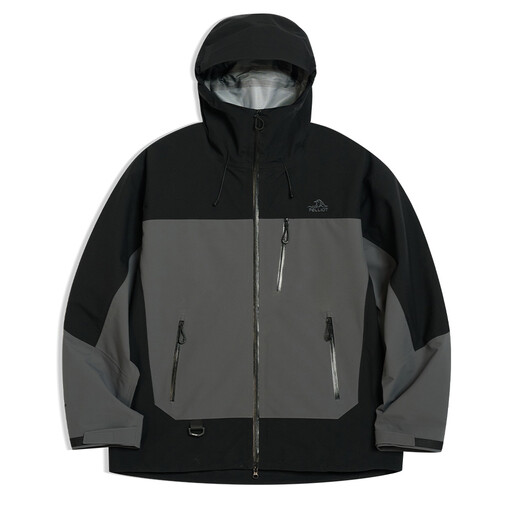
Why it fits this profile: A black trekking jacket for those who combine rain, wind and abrasive conditions with daily use in the city.
The product description mentions waterproof, windproof and durable properties. No specific hydrostatic head or MVTR figures are given, so compare this information carefully with other models.
Unisex model in black, colour-block design, wide range of sizes, and intended for use from city commuting to mountain trails.
We have compiled a complete, up-to-date list of products that fully meet these strict selection criteria and comply with current European safety regulations.
A jacket will last longer if you care for the fabric and coating according to the instructions. Wash a hardshell on a gentle cycle, close all zips beforehand and do not use fabric softener, as it can affect the performance of the technical finish. Allow the jacket to air-dry and avoid direct heat, unless the label states otherwise.
When trying on a jacket, check for these points:
A windproof jacket is not the same as a warm jacket. The hardshell primarily serves as the protective outer layer. For cold weather, you add a fleece or an insulating layer. A 3-in-1 model offers more combination possibilities in this regard, whereas a separate shell is often lighter and easier to ventilate.
For short walks and commuting, a basic level of protection may be sufficient. For prolonged rain, camping or a jacket for mountain hiking, a clear hydrostatic head rating, well-finished seams and an adjustable hood are more important than the product title alone. When available, compare ratings that use the same test method, such as JIS.
That depends on the frequency of use, friction from rucksack straps, washing and maintenance. A durable fabric can help with intensive use, but you should regularly check the coating, seams and zips. Wash the jacket according to the label and store it clean and dry.
That depends on how you'll use it. A fleece-lined or 3-in-1 outdoor jacket is practical for changing temperatures and cold days. A separate waterproof hardshell is more flexible if you want to combine different layers yourself and need to release heat more quickly during exertion.
